

California can feel less like one state and more like a collection of countries stitched together by highways: Pacific beaches, giant redwood forests, Sierra granite, high desert, fertile valleys, global cities and small coastal towns. That variety is exactly what makes trip planning difficult. The best things to do in California are not the ones you can physically squeeze into the same vacation; they are the experiences that fit your route, season and pace.
This guide focuses on experiences that are genuinely worth building time around, with practical advice for deciding what belongs in a first trip and what is better saved for another visit. It is designed to work with our California hub rather than duplicate it.
In this guide
- What is truly worth doing?
- Yosemite
- Highway 1
- Los Angeles
- San Francisco
- Giant trees
- Deserts
- Beaches
- Food
- Wine regions
- PCH
- Theme parks
- Neighborhoods
- Choose your trip
- Mistakes
The short version: what is truly worth doing in California?
California is too large and varied for a single “must-see” list to work for every trip. A first-time visitor with two weeks should normally choose a coherent route rather than trying to combine Los Angeles, San Francisco, Yosemite, the redwoods, Death Valley and San Diego in one exhausting loop. Use this page as a menu of experiences, then connect it with our California travel guide and the itinerary guides below.
- See the Golden Gate Bridge from more than one angle, then explore San Francisco by neighborhood rather than treating it as a one-day photo stop.
- Drive a section of Highway 1 when conditions allow, giving Big Sur, Monterey or Santa Barbara enough time to become destinations rather than fuel stops.
- Spend multiple nights in Yosemite if it is a priority; the park deserves more than a hurried day trip from San Francisco.
- Experience Los Angeles through its neighborhoods—coast, museums, food, film culture and viewpoints—not only Hollywood Boulevard.
- Choose one desert landscape, such as Joshua Tree or Death Valley, and time the visit around temperature rather than convenience.
- Walk among giant trees in the Sierra sequoia groves or on the far northern redwood coast.
- Leave room for ordinary California: farmers markets, local food, a beach sunset, a neighborhood coffee shop and a slower morning often become more memorable than another attraction.
1. Explore Yosemite beyond the classic valley viewpoint
Yosemite National Park is one of California’s defining landscapes, but the quality of the visit depends heavily on pacing. Yosemite Valley concentrates many famous views—El Capitan, Half Dome, Yosemite Falls and Bridalveil Fall—yet the park extends far beyond the valley. In summer and early fall, when high-country roads are open, Tuolumne Meadows and the Tioga Road corridor reveal a different Yosemite of granite domes, alpine meadows and cooler air.
For 2026, Yosemite does not require a vehicle reservation to enter the park, but that should not be mistaken for a no-planning trip. Lodging and campgrounds can still sell out well in advance; overnight wilderness travel requires permits; Half Dome requires a permit when the cables are up. Arrive early, expect congestion on peak days and consider staying two or three nights if the park is central to the itinerary.
Do not plan Yosemite as “four hours in the valley plus a long drive back.” The park is at its best when you can absorb changing light, take one meaningful walk and stay flexible around traffic and weather.
2. Drive Highway 1 and give Big Sur enough time
The California coast is not just a transfer between Los Angeles and San Francisco. The Central Coast can support an entire trip: Santa Barbara, the Santa Ynez Valley, San Luis Obispo County, Cambria, Big Sur, Carmel and Monterey each have enough character to justify a stop. Highway 1 through Big Sur is the iconic section, with ocean cliffs, bridges, redwoods and pullouts that make average driving speeds almost irrelevant.
Highway 1 fully reopened through the Regent’s Slide area in early 2026 after major repairs, but coastal roads remain vulnerable to wildfire, storms, rockfall and emergency closures. In September 2026, wildfire operations again caused temporary closures in Big Sur. The practical lesson is simple: check Caltrans QuickMap shortly before travel and keep US 101 as the fallback rather than building a non-refundable itinerary around a single road being open.
3. Discover Los Angeles as a collection of cities within a city
Los Angeles rewards travelers who stop asking “what is downtown?” and start planning by neighborhoods and daily geography. One day might combine Griffith Observatory, Los Feliz and Hollywood; another can stay entirely west with Santa Monica, Venice and the coast; another can focus on the Getty, Beverly Hills and museum corridors. Our Los Angeles travel guide explains how to build those days without wasting hours crossing the metro area.
The city is also more transit-friendly than its old reputation suggests. By mid-2026, the LAX/Metro Transit Center and additional D Line stations improved airport and Mid-Wilshire connectivity. A car is still useful for broad regional itineraries, but visitors who choose accommodation carefully can combine Metro, walking and rideshare for many city days.

4. Spend a full day with San Francisco’s neighborhoods
San Francisco is compact enough to reward walking and public transportation, yet layered enough to justify three or four days. The Golden Gate Bridge, Alcatraz, cable cars and waterfront deserve their fame, but the city becomes more interesting when you move into North Beach, Chinatown, the Mission, the Presidio, Richmond, Sunset and Golden Gate Park. Start with our San Francisco travel guide rather than reducing the city to Fisherman’s Wharf.
San Francisco is one of the easiest major California destinations to visit without a car. Muni, BART, cable cars and walking cover most visitor needs, and as of September 2026 adult riders can tap a contactless bank card at Muni readers for single rides. If your wider trip includes Yosemite or the coast, consider renting the car only when you leave the city.
5. See giant sequoias—or coastal redwoods, ideally both
California’s famous giant trees are two different experiences. Giant sequoias grow on the western slope of the Sierra Nevada and impress through volume and age; coastal redwoods thrive in the humid north coast and create cathedral-like forests of extraordinary height. Sequoia & Kings Canyon National Parks are natural additions to a Sierra road trip, while Redwood National and State Parks fit a northern California journey that may include Mendocino, Humboldt County or southern Oregon.
Do not choose between them based only on which is “bigger.” Choose by route. If your trip already includes Yosemite, adding Sequoia or Kings Canyon may be logical. If you are driving north of San Francisco and have several days, the redwood coast creates a slower, more remote California experience that feels very different from the state’s famous cities.
6. Experience the desert at the right time of year
Joshua Tree and Death Valley are not interchangeable desert parks. Joshua Tree combines Mojave and Colorado Desert ecosystems, distinctive trees, granite rock formations and easy access from Southern California. Death Valley operates at a larger, harsher scale: salt flats, badlands, dunes, mountain viewpoints and extreme heat. Both can be magnificent, but both punish poor seasonal planning.
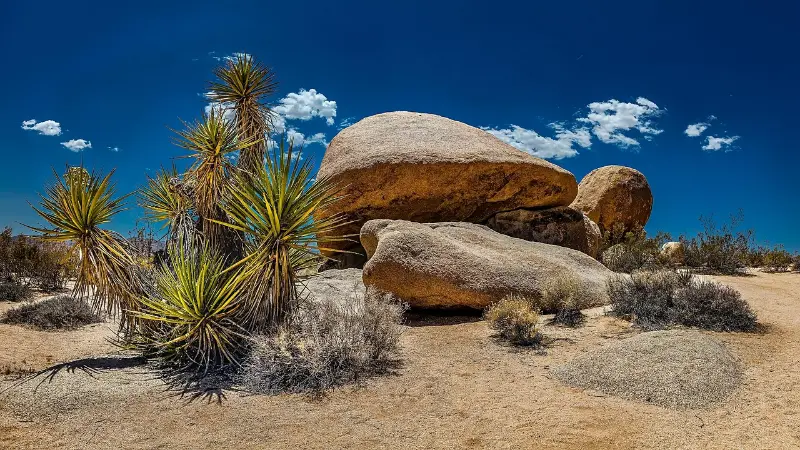
Joshua Tree is most comfortable in fall and spring; summer heat can close trails and trigger fire restrictions. Death Valley is open year-round, but summer conditions can be life-threatening and roads may change after storms. For a first desert trip, choose the park that fits your route and month rather than forcing the famous name into the schedule.
7. Watch sunset on a Southern California beach
A California beach day does not need to be complicated. Santa Monica and Manhattan Beach work well from Los Angeles; Laguna Beach combines coves and an attractive town; La Jolla is a classic San Diego-area choice; farther north, beaches become cooler, wilder and often better for walking than swimming. The Pacific is cold in much of the state, and surf conditions matter, so “beach weather” and “comfortable ocean swimming” are not the same thing.
The most rewarding approach is to pair the coast with the place around it: a morning hike and Malibu sunset, a Santa Barbara waterfront day, a Monterey wildlife excursion, or an evening walk after exploring San Diego. This is one reason California itineraries benefit from fewer bases and longer stays.
8. Eat your way through California’s regional identities
California food is strongest when it reflects where you are. Los Angeles is exceptional for Mexican, Korean, Japanese, Persian, Armenian, Thai and countless hybrid traditions. San Francisco and the Bay Area combine Chinese-American history, seafood, bakeries, modern California cooking and access to wine country. The Central Coast adds farm produce, seafood and wine; San Diego has a powerful Baja-influenced food culture; inland agricultural regions reveal another side of the state.
A “best restaurants” checklist can age quickly. A better travel habit is to research one neighborhood, one market and one regional specialty for each base. It creates a more grounded trip and reduces the temptation to drive across an enormous city just for a famous reservation.
9. Choose one California wine region and stay nearby
Napa Valley is internationally known, but it is not the only California wine experience. Sonoma County offers a broader mix of towns and landscapes; Paso Robles works naturally on a Central Coast road trip; Santa Barbara County and the Santa Ynez Valley pair wine with coast and small towns; Temecula can fit a Southern California trip. If wine is a priority, spend at least one night in or near the region so tasting does not become a driving problem.
Reservations may be required at many wineries, and transportation should be arranged before the first tasting. Travelers who do not drink can still enjoy these regions for food, scenery, cycling, spas and small-town atmosphere.
10. Take the Pacific Coast Highway slowly, not as a race
The phrase “Pacific Coast Highway” often gets used loosely for multiple roads and coastal segments. What matters is the experience: ocean viewpoints, beach towns, cliffs and stops that make the drive itself part of the trip. If you want the classic California coast journey, see our California road trip itinerary and build enough slack for weather and road conditions.
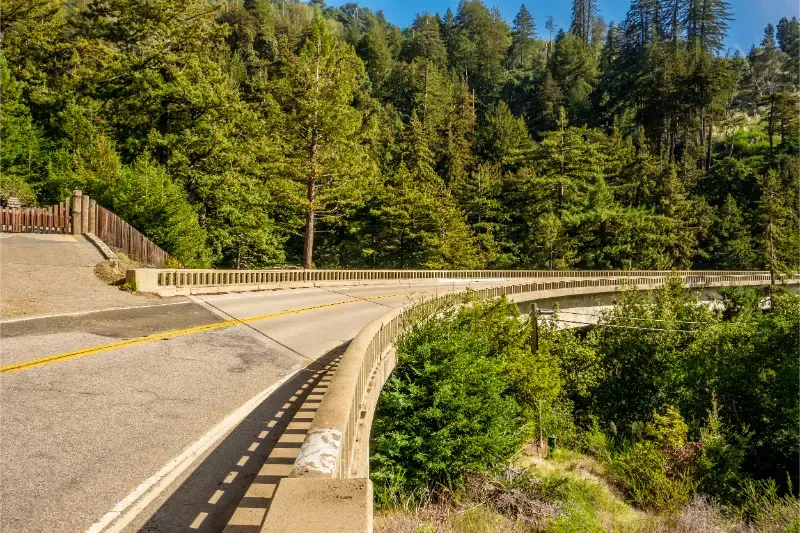
A common mistake is planning Los Angeles to San Francisco as a single sightseeing day. Even when all roads are open, that sacrifices the reason for taking the coastal route. Two or three nights between the cities allow you to experience Santa Barbara, San Luis Obispo County, Big Sur, Carmel or Monterey rather than watching them through a windshield.
11. Visit Disneyland or Universal—but budget the day honestly
California’s theme parks can be trip anchors rather than side attractions. Disneyland Resort in Anaheim can justify multiple days for dedicated fans; Universal Studios Hollywood combines a working-studio identity with major rides and in 2026 added the Fast & Furious: Hollywood Drift coaster. If the park is important, stay close enough to simplify the morning and avoid stacking a long cross-city drive before or after a full day on your feet.
Theme parks are also a reason not to overpack a California itinerary. A “rest day” after a long park day can be more valuable than forcing another distant attraction into the schedule.
12. Spend time in a California neighborhood with no headline attraction
Some of the best California memories happen when there is no major landmark involved. Walk a farmers market, sit in a neighborhood café, browse independent shops, eat somewhere recommended by a local, or spend an hour in a park that is not on every international itinerary. In Los Angeles this might mean Los Feliz, Highland Park or a South Bay beach city; in San Francisco it could be the Richmond, Sunset or Mission; on the Central Coast it might be a slow morning in a smaller town.
This is also the antidote to “California fatigue.” The state’s distances and famous sights encourage constant movement. Deliberately leaving one half-day unscheduled makes the entire itinerary feel more human.
How to choose the right California experiences for your trip
| If your priority is… | Focus on… |
|---|---|
| First trip, 10–14 days | Los Angeles + Central Coast + San Francisco, with one major nature extension |
| National parks | Yosemite + Sequoia/Kings Canyon, or a desert-focused Southern California route |
| Beaches and warm weather | Southern California: Los Angeles coast, Orange County and San Diego |
| Food and cities | Los Angeles + San Francisco, with a slower neighborhood-based schedule |
| Road trips | Highway 1/Central Coast, Sierra routes, desert loops or northern redwood coast |
| Low crowds | Travel shoulder season and choose secondary bases rather than only headline destinations |
Mistakes that make California trips worse
- Trying to cover both ends of the state plus multiple national parks in one week.
- Booking hotels by price alone without calculating traffic and daily driving.
- Assuming mountain roads, desert conditions and coastal highways behave the same in every season.
- Using “Los Angeles” as one single sightseeing zone instead of grouping days geographically.
- Keeping a rental car in central San Francisco when you do not need it.
- Planning Yosemite accommodation too late.
- Leaving no flexibility for wildfire smoke, storms, road work or ordinary fatigue.
Official planning sources
- Yosemite National Park – Plan Your Visit — current park access, permits and visitor planning
- Joshua Tree National Park – First-Time Visitor Guide — seasonal conditions and practical park advice
- Death Valley National Park – Conditions — current road and safety conditions
- Caltrans QuickMap — real-time California highway closures and incidents
- Visit California – Road Trips — official statewide road-trip inspiration
Keep planning California
Continue with the California travel guide, compare the best places to visit in California, or turn the ideas above into a route with our two-week California road trip.
Looking for the right place to stay? Compare hotels and accommodation on Booking.com.