

The best places to visit in California depend on what kind of California you want: coastal scenery, national parks, cities, beaches, desert or small-town travel. The state is so large that “seeing California” in one trip is usually a planning mistake. A strong itinerary chooses a region or a line of travel and lets the destinations reinforce one another.
The places below are not ranked as a universal top ten. They are organized around the experiences they deliver and the routes they fit. Use them with the California state hub and road-trip guides to build a trip that is ambitious without becoming exhausting.
In this guide
- Los Angeles
- San Francisco
- Yosemite
- Big Sur
- San Diego
- Sequoia & Kings Canyon
- Joshua Tree
- Death Valley
- Monterey & Carmel
- Santa Barbara
- Wine country
- Redwood Coast
- Lake Tahoe
- Palm Springs
- Smaller coast
- How to combine
1. Los Angeles — best for culture, entertainment, food and variety
Los Angeles is a city of neighborhoods rather than a compact sightseeing core. It works best when you plan each day geographically: Griffith/Hollywood, the Westside and coast, Downtown/Arts District, museums and Mid-Wilshire, or a theme-park day. Read the Los Angeles travel guide before choosing a hotel, because location matters more here than in most U.S. cities.
LA deserves at least three nights on a first trip, and four or five if you want museums, beaches and studio/theme-park time. It is also one of California’s strongest food destinations, with communities and cuisines that reflect the city’s global identity.
2. San Francisco — best first city without a car
San Francisco compresses a remarkable amount into a small area: Golden Gate views, historic neighborhoods, the bay, cable cars, parks, food, museums and easy day-trip possibilities. Its hills slow you down, but public transportation and walkable neighborhoods make it one of the best California bases without a rental car. See our San Francisco travel guide.
Three nights is a useful minimum. If Alcatraz matters, reserve the official ferry ahead of time. If your wider trip includes Napa/Sonoma, Yosemite or the coast, San Francisco is also a logical transition point between city travel and a rental-car itinerary.
3. Yosemite National Park — best for iconic Sierra scenery
Yosemite is the California landscape many travelers imagine before they arrive: sheer granite, waterfalls, meadows, sequoias and high-country roads. The valley is the famous core, but the park becomes richer when you have time for Tuolumne Meadows, Tioga Road or Mariposa Grove when seasonal access permits. For practical planning, trails, viewpoints and where to stay, read our Yosemite National Park travel guide.
In 2026 no vehicle reservation is required for entrance, but lodging, campgrounds and some permits remain competitive. Stay at least two nights if possible and avoid building the day around a long commute from a distant city.
4. Big Sur — best for dramatic coastal road scenery
Big Sur is not a single attraction. It is a stretch of coast where the road, cliffs, redwood canyons, state parks and ocean viewpoints create the experience. The area works best as part of a Central Coast itinerary with Carmel, Monterey, Cambria or San Luis Obispo County. See our Big Sur travel guide for the best stops, viewpoints and route-planning advice.
Road conditions are part of the trip. Highway 1 reopened fully through the Regent’s Slide section in 2026, but wildfire and weather still cause temporary closures. Check Caltrans shortly before driving and treat the route as flexible.
5. San Diego — best for easygoing coastal city travel
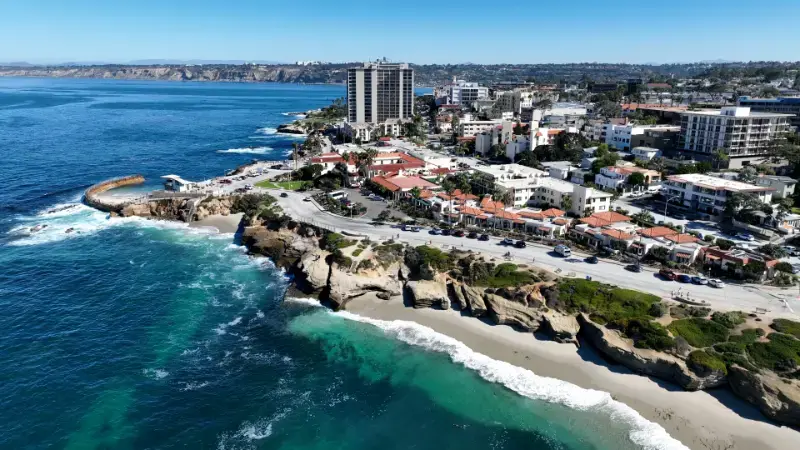
San Diego combines beaches, neighborhoods, Balboa Park, family attractions, Mexican-American food culture and a climate that makes outdoor time easy for much of the year. It is a strong choice for travelers who want a city break with less driving pressure than Los Angeles. For beaches, neighborhoods, attractions and practical tips, read our San Diego travel guide.
Stay three or four nights if it is a main destination. La Jolla, Coronado, the waterfront, Balboa Park and different beach communities can easily fill several days without turning the trip into a checklist.
6. Sequoia & Kings Canyon — best for giant trees and Sierra scale
These neighboring national parks pair giant sequoia groves with deep canyons and high Sierra terrain. They fit naturally between Southern California and Yosemite only when you have enough days; mountain roads are slower than they look and some high-country access is seasonal. Read our Sequoia & Kings Canyon National Parks travel guide for routes, highlights and practical planning.
If your only goal is to see giant sequoias, Mariposa Grove in Yosemite may be more efficient on a short trip. Choose Sequoia/Kings Canyon when you want the parks themselves to be destinations, not merely a tree stop.
7. Joshua Tree — best desert escape from Southern California
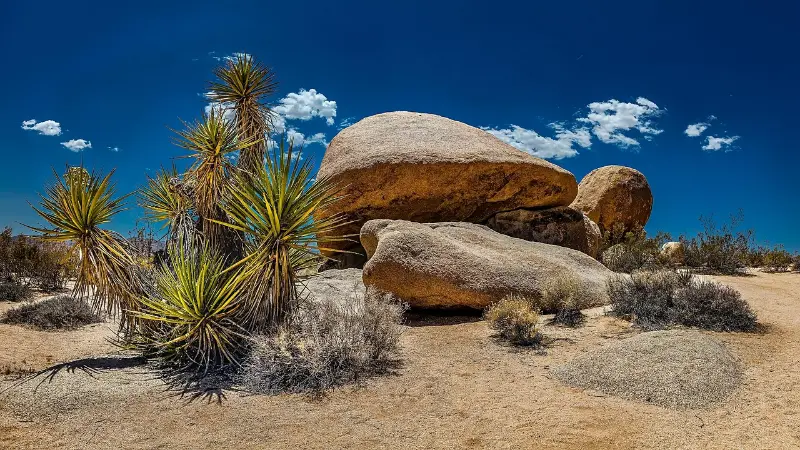
Joshua Tree is accessible from Los Angeles, Palm Springs and the Inland Empire, yet its landscape feels dramatically different. Joshua trees, granite formations and wide desert skies make it ideal for short hikes, photography, stargazing and a one- or two-night change of pace. See our Joshua Tree National Park travel guide for the best areas, hikes and visit tips.
Fall through spring is generally the most comfortable period. Summer heat is serious, and the park can impose seasonal trail closures and fire restrictions. There is no food, fuel or water in the park interior, so arrive prepared.
8. Death Valley — best for extreme desert landscapes
Death Valley is California at its most elemental: salt flats, badlands, dunes, alluvial fans and high viewpoints. It is often combined with Las Vegas or a winter/spring California desert route rather than the classic coast itinerary. For viewpoints, driving routes and seasonal advice, read our Death Valley National Park travel guide.
Temperature is not a footnote here. Summer heat can be dangerous and road conditions can change after storms. The park remains open year-round, but the best itinerary depends heavily on season and current road status.
9. Monterey and Carmel — best coastal base with variety
Monterey and Carmel work especially well because they offer more than scenery: aquarium and marine life, historic streets, restaurants, beaches, 17-Mile Drive and access to the northern side of Big Sur. They are practical overnight bases on a Los Angeles–San Francisco coastal journey. See our Monterey and Carmel travel guide for a more detailed itinerary.
Families may prefer Monterey for the aquarium and easier logistics; couples often enjoy Carmel’s compact center and restaurants. In practice, the two are close enough that the decision is about atmosphere and hotel preference rather than access.
10. Santa Barbara — best elegant stop between LA and Central Coast
Santa Barbara is one of California’s easiest cities to enjoy quickly without feeling rushed. Spanish-influenced architecture, beaches, mountain backdrop, a walkable downtown and nearby wine country create a compact introduction to the Central Coast. Read our Santa Barbara travel guide for what to see, where to stay and how long to spend.

One night works on a road trip, but two nights allows a beach day, a slower dinner and an excursion into the Santa Ynez Valley. It is particularly good for travelers who want a softer transition out of Los Angeles.
11. Napa Valley and Sonoma County — best for food and wine
Napa is the internationally recognized name; Sonoma is larger and more varied. Both reward overnight stays because the point is not only tasting wine but enjoying restaurants, scenery and a slower rhythm. Reservations are common, and transportation should be planned if everyone intends to taste. Compare the two areas in our Napa Valley travel guide and Sonoma County travel guide.
If wine is not a priority, do not add the region simply because it is famous. California has many alternatives that may fit your route better, including Paso Robles and Santa Barbara County.
12. Redwood Coast — best for a remote northern California road trip
Northern coastal California feels far from the state’s urban image. Redwood National and State Parks, Humboldt County, wild beaches and long forest roads create a trip with more solitude and fewer headline attractions. It is best with several days and often combines naturally with southern Oregon. For park areas, scenic drives and trip planning, read our Redwood National and State Parks travel guide.
The distance from San Francisco is substantial, so this is not a casual day trip. Choose the redwood coast when the journey north is part of what you want.
13. Lake Tahoe — best for mountain-lake travel
Lake Tahoe crosses the California–Nevada border and changes completely by season. Summer brings beaches, hiking and boating; winter is a ski destination; shoulder seasons can be quieter but less predictable. Traffic and accommodation prices spike around peak weekends. Read our Lake Tahoe travel guide for beaches, viewpoints, seasonal activities and where to base yourself.
Tahoe can combine with Yosemite only in seasons when the necessary Sierra routes are open and your itinerary allows for mountain driving. Do not assume a straight line on the map means a simple transfer.
14. Palm Springs — best for design, pools and desert access
Palm Springs mixes mid-century architecture, resorts, desert scenery and access to Joshua Tree. It is a strong winter and spring destination and an easy contrast with Los Angeles. Summer temperatures can be extreme, which changes how much outdoor sightseeing makes sense. See our Palm Springs travel guide for neighborhoods, hotels, architecture and desert excursions.
15. Santa Cruz, Mendocino or a smaller coastal town — best for slowing down
California’s famous cities can dominate trip planning, but one smaller coastal base often improves the route. Santa Cruz fits a Bay Area/Monterey trip; Mendocino works on a northern coast journey; Cambria suits Central Coast travel. The specific town matters less than the idea: give yourself one place where the schedule is not built around major attractions.
Which California destinations fit together?
| If you have… | A coherent first route |
|---|---|
| 5–7 days | Los Angeles + Santa Barbara/Central Coast, or San Francisco + Yosemite |
| 8–10 days | Los Angeles + Central Coast + San Francisco |
| 12–14 days | Los Angeles + Central Coast + San Francisco + Yosemite |
| 2+ weeks with parks priority | Los Angeles + desert or Sierra parks + San Francisco |
| Repeat trip | Northern redwoods, Lake Tahoe, San Diego/deserts, or wine-country-focused route |
Places to save for a second California trip
A second trip is not a failure of planning; it is the rational response to California’s scale. If your first itinerary already has Los Angeles, San Francisco, the Central Coast and Yosemite, adding San Diego, Death Valley, Tahoe and the redwoods usually turns a good trip into a transport exercise. Keep a list for next time and protect the quality of the trip you are actually taking.
Official planning sources
- Visit California — official statewide destination information
- Yosemite National Park — official Yosemite planning
- Joshua Tree National Park — official Joshua Tree planning
- Death Valley National Park — official Death Valley planning
- Caltrans QuickMap — current California road conditions
Keep planning California
Next, compare these destinations by season in Best Time to Visit California or turn them into a realistic route with our 2-week California road trip.
Looking for the right place to stay? Compare hotels and accommodation on Booking.com.