

There is no single best time to visit California because the state contains several climates and huge elevation changes. A perfect beach week in Southern California can happen while Yosemite’s high country is still under snow; Death Valley can be dangerously hot while San Francisco is cool enough for a jacket; the redwood coast can be foggy while inland valleys bake.
The useful question is not “what month is best for California?” but “what conditions do I need for the places I want to visit?” This guide matches seasons to California’s main trip styles so you can choose dates before locking in a route.
In this guide
- At a glance
- Spring
- Summer
- Fall
- Winter
- Los Angeles
- San Francisco
- Yosemite
- Big Sur
- Deserts
- Beaches
- Road trips
- Budget
- Month by month
- Weather flexibility
Best time to visit California at a glance
| Trip priority | Best general window | Why |
|---|---|---|
| Classic coast + cities | April–June or September–October | Good mix of weather, daylight and manageable crowds |
| Yosemite waterfalls | May–June | Strong snowmelt in many years; high country may still be limited |
| Yosemite high country | July–September | Best odds for Tioga Road and alpine access, though wildfire smoke is possible |
| Southern California beaches | May–October | Warmest beach-oriented period; ocean temperatures still vary |
| Joshua Tree / Death Valley | October–April | More comfortable desert temperatures |
| Skiing / snow | January–March | Strongest winter mountain season in most years |
| Fall color in Sierra / eastern California | Late September–October | Short, elevation-dependent season |
| Lower crowds | Late winter or shoulder seasons | Better prices in some areas, but weather and access tradeoffs |
Spring: one of the best all-around seasons
March through May is excellent for cities, Central Coast travel, desert wildflowers in favorable years and lower-elevation hiking. Southern California is generally comfortable, while the Sierra can still be deeply wintry. Spring is especially attractive for a Los Angeles–Santa Barbara–San Francisco trip because temperatures are moderate and summer crowds have not fully arrived.
The limitation is mountain access. Tioga Road and other high-elevation roads may remain closed well into late spring or early summer depending on snowpack. If a route depends on crossing the Sierra, do not book around a calendar assumption. Check official road status.
Summer: best for mountains, busiest for famous places
June through August opens the most high-country possibilities. Yosemite’s alpine areas, Lake Tahoe, Lassen and northern mountain routes become easier to access as snow recedes. Long daylight helps road trips, and coastal destinations are popular with domestic travelers.
The tradeoffs are serious: higher hotel rates, crowded national parks, heavy traffic around holiday weekends and extreme desert heat. Death Valley and low-elevation desert hiking should not be treated like ordinary summer sightseeing. Wildfire and smoke can also affect mountain and northern California travel, particularly later in summer.
Fall: arguably the strongest road-trip season
September and October can be outstanding for California road trips. Coastal weather is often pleasant, summer crowds ease after major holiday periods, wine regions enter harvest, and the Sierra can remain accessible before winter storms arrive. Los Angeles and San Diego are still warm, while San Francisco can experience some of its clearest and warmest days.

Fall is also wildfire season. Conditions vary enormously year to year, so build flexible routes and monitor air quality and closures. By later October and November, early snow can begin affecting mountain roads.
Winter: ideal for deserts and city breaks
December through February is the best season for many desert trips. Death Valley becomes far more approachable, Joshua Tree has comfortable daytime hiking conditions, and Palm Springs is in its prime. Los Angeles and San Diego remain attractive for outdoor sightseeing, although rainstorms do occur.
In the Sierra, winter transforms the trip completely. Ski destinations become busy, chain controls may apply during storms, and Yosemite’s high-country roads are closed. Coastal road trips can be beautiful but are more vulnerable to heavy rain, landslides and short daylight.
Best time for Los Angeles
Los Angeles works year-round. Spring and fall offer the easiest balance for sightseeing; summer is popular for beaches and events but can be hot inland; winter can be mild with occasional rain. Microclimates matter: the coast may be cool and cloudy while inland neighborhoods are much warmer on the same day.

Best time for San Francisco
San Francisco has a famously cool maritime climate. Summer visitors are often surprised by wind and fog, especially near the ocean and Golden Gate. September and October can be among the most pleasant months, but layers are useful in every season. Winter brings more rain and fewer tourists.
Best time for Yosemite
Choose Yosemite dates by what you want to do. Spring favors waterfalls but limits high-country access. Summer maximizes roads and trails but brings crowds. Fall is calmer and often dry, with reduced waterfall flow. Winter provides snow scenery and a quieter valley, but access is reduced and storm planning matters.
For 2026 Yosemite does not require a general vehicle entrance reservation. That policy can change in future years, and other reservations—lodging, camping, Half Dome, wilderness permits—remain separate. Always verify the current rules for your dates.
Best time for Big Sur and Highway 1
Big Sur can be visited year-round, but spring and fall often provide an appealing balance of weather and traffic. Winter storms can trigger slides; late summer and fall can bring wildfire impacts. Even in good weather, coastal fog is possible. Never choose the date based solely on average climate—check current Caltrans conditions before the drive.
Best time for Joshua Tree and Death Valley
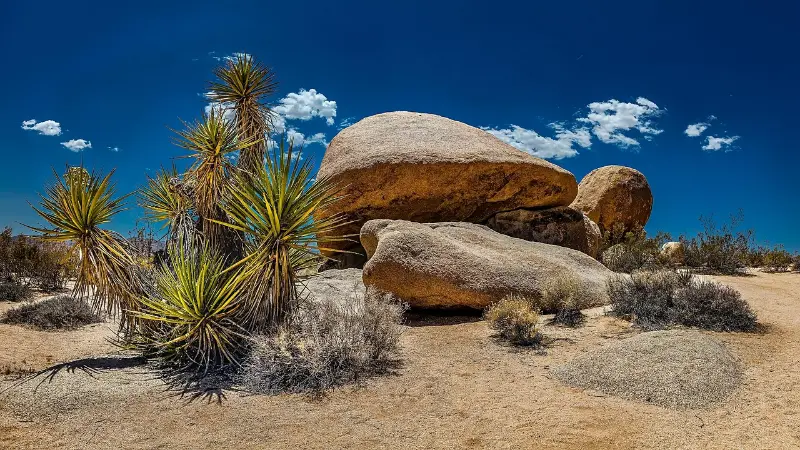
October through April is the practical desert window for most travelers. Joshua Tree’s busiest season runs roughly October through May, with weekends and spring break particularly crowded. Death Valley is most comfortable in the cooler months. Summer visits require a completely different safety mindset and generally make long hikes inappropriate.
Best time for California beaches
Southern California provides the longest beach season, but the Pacific is cooler than many international visitors expect. Late summer and early fall often bring warm air and relatively favorable ocean conditions. Northern and Central California beaches are frequently more about scenery, walking and surfing than warm-water swimming.
Best time for California road trips
For a coast-and-city road trip, April–June and September–October are strong choices. For Sierra-heavy routes, summer into early fall offers the best chance of open high roads. For a desert road trip, shift to winter. Our 2-week California road trip works best when you adapt the park segment to the season rather than forcing the same route year-round.
When is California cheapest?
There is no statewide low season. Hotel prices move by destination: desert resorts can be expensive in winter, ski towns expensive in winter, beaches expensive in summer and Yosemite gateways expensive during peak park season. The most reliable savings come from traveling midweek, avoiding major events/holidays, booking high-demand park locations early and choosing a route with fewer one-night stays.
A month-by-month planning shortcut
| Month | Best for | Watch for |
|---|---|---|
| Jan–Feb | Deserts, cities, skiing | Winter storms; mountain chain controls |
| Mar–Apr | Deserts, cities, spring landscapes | Spring-break crowds; Sierra roads closed |
| May | Coast, cities, waterfalls | High country may still be closed |
| June | Long daylight, waterfalls, start of mountain season | Crowds rising; coastal “June gloom” possible |
| Jul–Aug | High Sierra, lake trips, family vacations | Heat, crowds, wildfire/smoke risk |
| September | Coast, cities, mountains | Wildfire conditions can change quickly |
| October | Road trips, wine country, cities | First mountain storms possible |
| Nov | Cities, coast, deserts | Shorter days; early winter conditions |
| December | Deserts, cities, skiing | Holiday prices and winter road conditions |
How to pick your dates
- List the three places you refuse to miss.
- Identify which one has the narrowest seasonal access—usually a high mountain road, desert activity or seasonal park experience.
- Choose the travel window around that constraint.
- Check likely crowd and price pressure for the cities and coast.
- Build one alternate plan in case wildfire, snow or a road closure changes the route.
Wildfire, smoke and weather flexibility
From late spring through fall, wildfire can affect air quality, park access and road conditions even when the fire itself is far from your hotel. The correct response is not to avoid California automatically, but to monitor conditions close to travel and keep one flexible day or alternate region in the plan. Coastal areas, deserts and mountains can have very different conditions on the same date.
Winter and spring have different hazards: heavy rain can close coastal roads, while snow and chain controls affect the Sierra. A flexible itinerary is not a compromise—it is the normal way to travel well in a state with this much climate variation.
Official planning sources
- Visit California – Road Trip FAQ — official seasonal road-trip guidance
- Yosemite National Park – Plan Your Visit — current seasonal access and reservations
- Joshua Tree National Park – First-Time Visitor Guide — weather, crowds and preparation
- Death Valley National Park – Operating Hours & Seasons — seasonal operations and safety
- Caltrans QuickMap — real-time road conditions
Keep planning California
Once you have a season, use Best Places to Visit in California to narrow the route and Where to Stay in California to choose practical bases.
Looking for the right place to stay? Compare hotels and accommodation on Booking.com.