

Florida does not have one ‘best beach’ because its coastline behaves like several different beach destinations stitched into one state. The Panhandle is known for pale sand and emerald water, the central Gulf Coast for sunset beaches and barrier islands, Southwest Florida for shelling and subtropical resorts, the Atlantic for surf and sunrise, South Florida for urban beach culture, and the Keys for reefs and water activities rather than broad natural sand.
The right beach depends on season, swimming ability, family needs and what you want after leaving the sand. This guide compares Florida’s strongest beach choices by travel style rather than pretending a single ranking works for everyone. For a statewide itinerary, also see our Best Places to Visit in Florida and Where to Stay in Florida guides.
Florida beaches at a glance
| You want… | Start with… |
|---|---|
| Powdery white sand | Siesta Key, Destin/South Walton, Pensacola area |
| Urban beach + nightlife | Miami Beach / South Beach |
| Surfing | Cocoa Beach, New Smyrna Beach, Jacksonville area |
| Shelling | Sanibel/Captiva region, conditions permitting |
| Family-friendly Gulf water | Clearwater/St. Pete region, Anna Maria Island, Sarasota area |
| Wild state-park beach | Caladesi, Honeymoon Island, Bahia Honda, Anastasia, Grayton Beach |
| Historic city + beach | St. Augustine + Anastasia Island |
| Snorkeling/reef access | Florida Keys, especially Bahia Honda and reef excursions |
Atlantic coast or Gulf coast?
Florida’s Atlantic side generally offers more wave energy, stronger surf culture and sunrise-facing beaches. The Gulf side is often associated with calmer conditions, soft pale sand in many areas and famous sunsets. These are broad tendencies, not guarantees: wind, fronts, storms and local geography can change the water dramatically on any day.
For families with small children, beach facilities and lifeguards matter more than whether a website calls the water ‘calm.’ For surfers, daily swell and wind forecasts matter more than seasonal averages. Always use current beach warning flags.
1. Siesta Key — best for powdery sand and Sarasota access
Siesta Key’s quartz-rich sand is exceptionally fine and stays relatively cool underfoot compared with darker sand. The main public beach has facilities and a broad shoreline, while nearby village areas add restaurants and nightlife. Pair it with Sarasota for museums and dining rather than treating the trip as a beach-only vacation.
2. South Beach — best urban beach experience
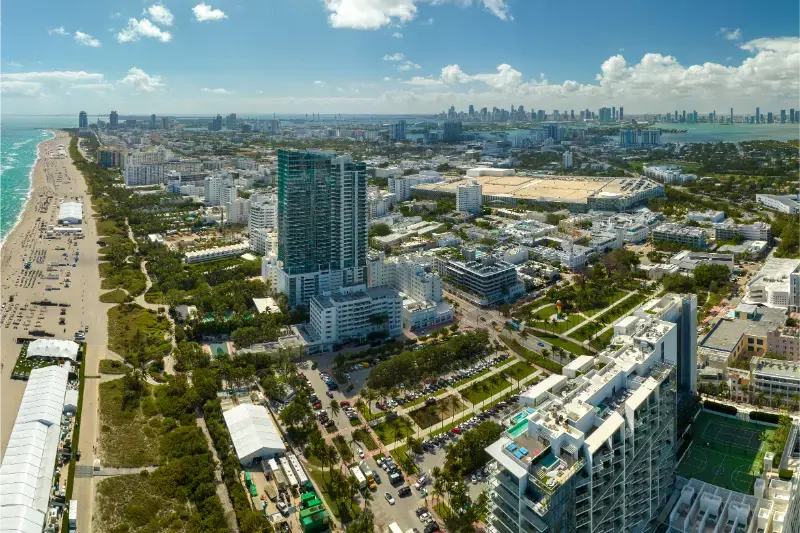
South Beach is not Florida’s quietest or most natural beach, but few places combine ocean, Art Deco architecture, restaurants, nightlife and global city energy so tightly. Stay nearby if beach mornings and late evenings matter. Visit early if you want a calmer walk and better architecture photography.
3. Clearwater Beach — easiest classic Gulf resort beach
Clearwater combines soft sand, family facilities, boat excursions and a developed resort environment. It works well for visitors who want convenience more than seclusion. Travelers seeking wild dunes and silence should choose a state park or smaller barrier island instead.
4. St. Pete Beach and Pass-a-Grille — best mix of resort and old-Florida feel
The St. Pete Beach area gives access to large resorts, while Pass-a-Grille offers a smaller-scale historic beach-town atmosphere. The combination is useful for couples or families who want one base with several moods and easy access to St. Petersburg’s museums and restaurants.
5. Anna Maria Island — best for low-rise Gulf atmosphere
Anna Maria Island is loved for a slower, lower-rise feel compared with heavily developed resort strips. Popularity has also increased traffic and parking pressure. Stay on the island or use local transport when possible rather than circling residential streets searching for a space.
6. Naples beaches — best for polished Southwest Florida stay
Naples combines Gulf sunsets, an upscale dining/shopping scene and access to nature around southwest Florida. Beach access and parking vary by location, and storms have periodically altered facilities, so check current local conditions before assuming a specific pier or access point is operating normally.
7. Sanibel and Captiva — best for shelling and island nature
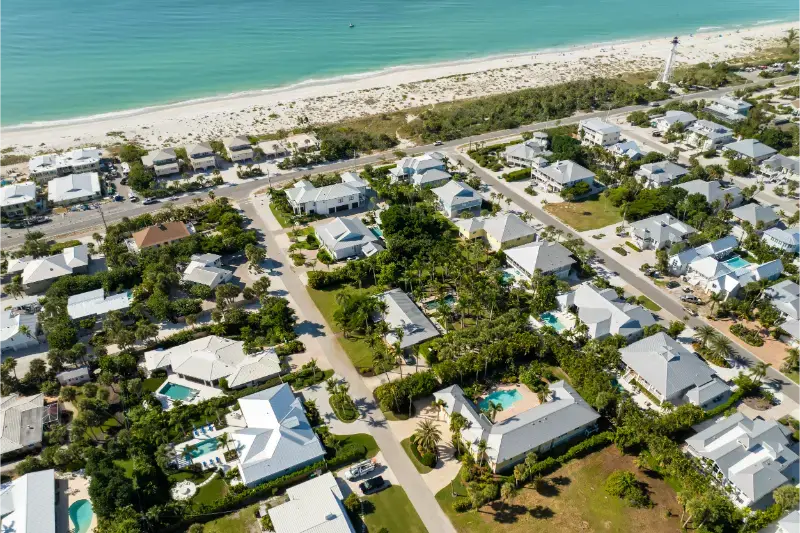
Sanibel’s east-west orientation and shallow Gulf shelf help explain its shelling reputation. Hurricane impacts have changed businesses, vegetation and infrastructure over recent years, making current local checks essential. Visit respectfully: shells with living animals should remain where they are, and protected wildlife rules matter.
8. Destin — best for emerald-water Panhandle vacation
Destin and the Emerald Coast deliver the water-and-white-sand combination many travelers imagine when they hear ‘Florida beach.’ The area is highly developed and popular, with fishing, family attractions and vacation rentals. Summer traffic can be significant, so location within the area matters.
9. South Walton / Grayton Beach — best for dunes and scenic Highway 30A
South Walton combines beach communities with dune landscapes, state parks and the scenic 30A corridor. Grayton Beach State Park is a standout for travelers who want coastal nature alongside stylish beach towns. The area can be expensive in peak periods, so shoulder-season travel often gives better value.
10. Pensacola Beach — best for Panhandle history + beach
Pensacola Beach sits on Santa Rosa Island and pairs naturally with historic Pensacola and Gulf Islands National Seashore. This makes it stronger than a pure resort stop for travelers who want beach time plus military, maritime and regional history.
11. Cocoa Beach — best surf-town stop near Orlando
Cocoa Beach is one of the easiest beach additions to an Orlando trip and has deep surf culture. It also pairs with Kennedy Space Center. The beach itself is less tropical-looking than South Florida, but the combination of ocean, space and accessibility makes it strategically excellent.
12. New Smyrna Beach — best for surf and laid-back Atlantic energy
New Smyrna Beach attracts surfers and repeat visitors who prefer a smaller coastal city to Daytona’s larger-scale atmosphere. Strong surf means swimmers should pay attention to currents and flags. Shark-related headlines get attention, but normal ocean safety and local lifeguard guidance are the useful planning tools.
13. Daytona Beach — best for motorsports + wide Atlantic beach
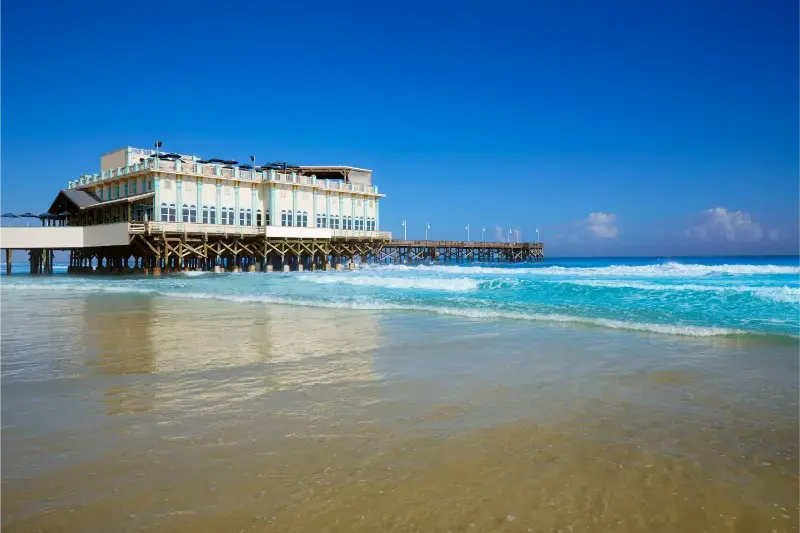
Daytona’s identity is inseparable from motorsports and a famous broad beach where driving is permitted in designated sections under current local rules. It suits travelers who enjoy events and activity more than secluded nature. Check event calendars because major races can radically affect hotel prices.
14. St. Augustine Beach / Anastasia State Park — best with a historic city
Anastasia Island offers Atlantic beaches close to one of the country’s most historic cities. It is ideal for travelers who want mornings on the sand and afternoons exploring the Castillo and old streets. Use our St. Augustine Travel Guide to build the city portion.
15. Amelia Island — best Northeast Florida island escape
Amelia Island combines beaches with Fernandina Beach’s historic center, maritime character and access to protected coastal landscapes. It is particularly useful for road trips connecting Florida and coastal Georgia.
16. Bahia Honda — best natural beach stop in the Florida Keys
The Keys are famous for water but not for endless natural sand beaches. Bahia Honda is one of the strongest exceptions. The state park combines clear-water scenery, snorkeling potential and historic bridge views. Capacity and storm impacts can affect access, so check official park updates.
17. Caladesi Island — best boat-access state-park beach
Caladesi is reachable by boat and feels far removed from nearby urban Tampa Bay. As of 2026, the park has reopened for day use after storm impacts, with ferry service restored, while some marina services remain limited. This is exactly why state-park status pages should be checked immediately before travel.
18. Honeymoon Island — best accessible nature beach near Dunedin
Honeymoon Island provides beaches, trails and ferry access toward Caladesi, making it a strong nature-oriented alternative to a conventional Clearwater resort day. Wind and erosion can change individual beach areas.
19. Fort De Soto — best for variety near St. Petersburg
Fort De Soto combines beaches, paddling, trails, history and broad park space. It is an excellent choice for families or travelers who want an entire day outdoors without the commercial density of a resort strip.
20. Bill Baggs Cape Florida — best quieter beach close to Miami
On Key Biscayne, Bill Baggs provides a lighthouse, beach and park setting within reach of Miami. It is a useful counterpoint to South Beach: less about scene, more about a park day. Traffic onto the key can still be heavy on popular weekends.
What about the Florida Keys beaches?
The Keys are better for snorkeling, boating, diving and marine scenery than for classic beach-hopping. Many shorelines are mangrove or limestone, and some sandy beaches are small or modified. If a wide beach is your top priority, spend beach days elsewhere and visit the Keys for what they do uniquely well.
Sea turtles: a beach rule that matters
Florida beaches are globally important nesting habitat. Florida State Parks notes that much nesting activity occurs roughly from March through October. Keep distance from nesting turtles and hatchlings, never use flash or bright lights around them, fill holes in the sand and follow local lighting rules. A beach vacation becomes better—not worse—when wildlife is treated as the reason the beach needs protection.
Rip currents and beach flags
Do not choose a swimming beach solely from Instagram. Conditions change daily. Learn the local flag system, swim near lifeguards when available and never fight a rip current by trying to swim directly against it. Families should treat ocean conditions as a daily decision, not something guaranteed by picking the ‘calmer coast.’
Which Florida beach is best by season?
- Winter: South Florida and the Keys offer warmer air/water; Panhandle swimming can be cool.
- Spring: excellent statewide, though spring-break timing can change crowds dramatically.
- Summer: warm water statewide, with heat, thunderstorms and peak family travel.
- Fall: can bring excellent beach days but overlaps hurricane season, so flexible bookings matter.
Useful official resources
- VISIT FLORIDA — Beaches
- Florida Atlantic Coast beaches
- Florida Gulf Coast beaches
- Florida State Parks — Beaches and Coasts
- Sharing beaches with nesting wildlife
How to choose the right Florida beach in 30 seconds
Decide whether you want an urban beach, a resort beach or a natural beach; choose Atlantic or Gulf based on the rest of your route; then check real-world factors—parking, lifeguards, accessibility, current park conditions and weather. The best beach is the one that fits the trip around it.
Planning the Gulf Coast specifically? Compare Clearwater Beach, Sarasota and the full Gulf Coast road trip.
For beach towns with more character than a simple resort strip, compare Anna Maria Island, Amelia Island, Daytona/New Smyrna and our small beach towns guide.
Looking for the right place to stay? Compare hotels and accommodation on Booking.com.