

Florida is one of America’s easiest family destinations to overschedule. Theme parks, beaches, wildlife, springs, rockets, boats and city attractions can make every day look “too good to skip,” until children are exhausted, adults are negotiating parking lots in the heat, and expensive tickets feel like obligations. The best Florida family trips are not the ones that do the most—they alternate intensity with recovery.
This guide helps choose destinations by age and travel style, not by marketing fame. Use it with our Walt Disney World guide, Universal Orlando guide, Best Beaches in Florida and Florida Springs guide.
Best Florida destinations for families at a glance
| Destination | Best for | Ideal family trip length |
|---|---|---|
| Orlando | Theme parks, resort pools, first-time Florida trips | 5–8 nights if parks are the priority |
| Tampa Bay | Aquarium, zoo, Busch Gardens, beaches nearby | 3–5 nights |
| Miami | Culture, food, beach + city with older kids/teens | 3–4 nights |
| Florida Keys | Road trips, snorkeling, wildlife, slower pace | 4–6 nights |
| St. Augustine | History, walkability, fort + beach | 2–3 nights |
| Space Coast | Rockets, science, beach | 2–3 nights |
| Sarasota | Beaches, culture, easy family pace | 3–5 nights |
| Naples / SW Florida | Beach + wildlife + Everglades | 3–5 nights |
Florida with toddlers and preschoolers
With young children, location beats ambition. Choose one main base, stay near the experiences you will repeat, and protect naps or quiet periods. A resort pool may deliver more happiness than a second paid attraction. Stroller-friendly environments, short transfer times and easy food access matter more than squeezing every famous stop into the trip.
For Orlando, two or three full park days separated by slower days can work better than five consecutive rope-drop-to-fireworks marathons. At the beach, select accommodations where you can walk back to the room rather than loading a car with sand toys twice a day.
Florida with school-age children
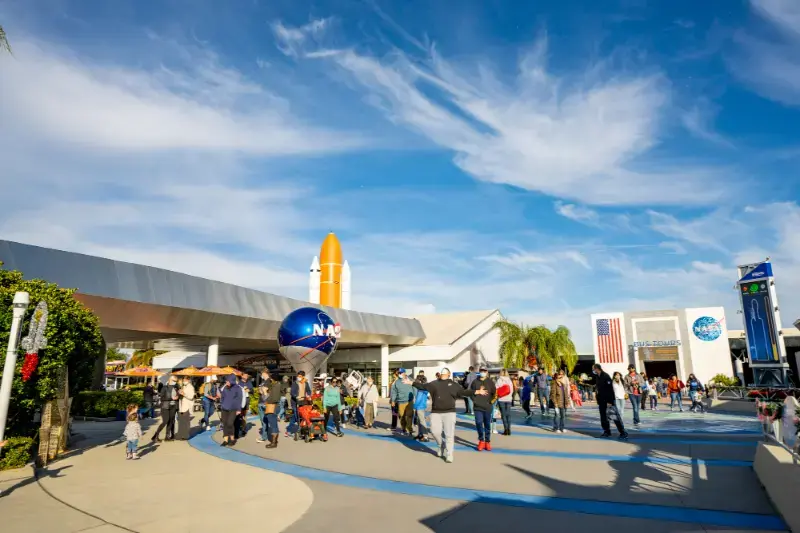
This is the sweet spot for variety. Children can handle full museum experiences at Kennedy Space Center, remember wildlife encounters, enjoy coasters with age/height eligibility, and participate in kayaking or snorkeling with proper supervision. Mix education and fun without announcing that every activity is educational: rockets, manatees, coral reefs and Spanish-colonial history do the work naturally.
Florida with teenagers
Teenagers often respond well to autonomy and active experiences: paddleboarding, surf lessons, snorkeling, thrill rides, street art, food neighborhoods and shopping. Miami, Universal Orlando, the Keys and Space Coast can be especially strong. Give them a role in choosing one headline activity per day; ownership reduces the “parents’ itinerary” problem.
Theme parks: how many is too many?
For a first family trip, decide whether theme parks are the vacation or one part of the vacation. If they are the main goal, stay close and accept the cost. If you also want beaches and wildlife, limit the number of park days. The most expensive mistake is buying too many tickets before understanding family stamina.
Best family beach strategy
Gulf beaches often appeal to families because they can have gentler wave conditions, while Atlantic beaches offer more surf energy and easier pairings with Miami/Fort Lauderdale. Neither coast is automatically “safe.” Rip currents, lightning, heat and changing water conditions require attention everywhere. Stay near lifeguarded areas when possible and teach children not to turn their backs on moving water.
Wildlife experiences that feel uniquely Florida
- Everglades National Park: boardwalk wildlife, tram/bike options and wetland ecology.
- Natural springs: seasonal manatee viewing, swimming or paddling depending on the park.
- Sea turtle education on Atlantic and Gulf beaches during nesting season—observe from a distance and follow lighting rules.
- Dolphin and wildlife cruises where the operator emphasizes respectful observation rather than guaranteed interaction.
Kennedy Space Center: one of Florida’s best family days
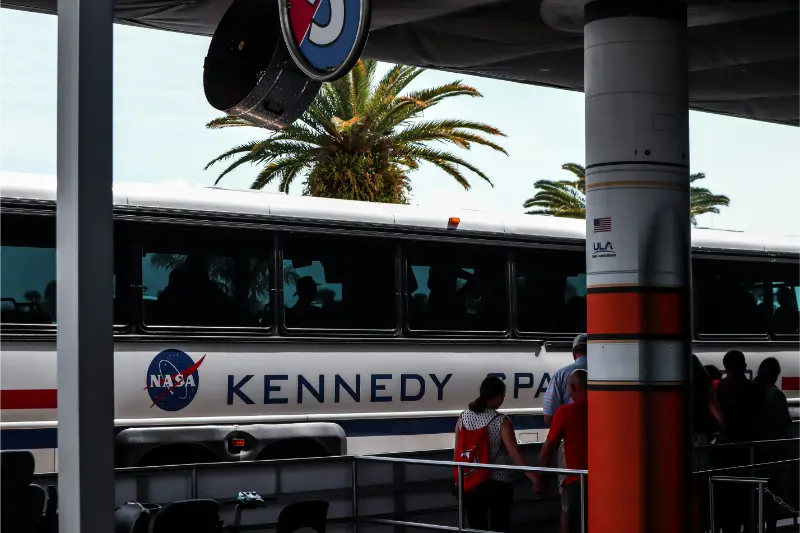
For children interested in rockets, engineering or science, Kennedy Space Center can justify a dedicated Space Coast stay. The Saturn V and Space Shuttle Atlantis have scale that screens cannot reproduce. Younger children need breaks, but school-age kids often find the day easier than a traditional history museum because the objects are so dramatic.
Heat, thunderstorms and the midday reset
Florida family itineraries improve when midday rest is considered part of the plan. Summer heat and humidity can drain children faster than adults expect; afternoon thunderstorms can close pools and outdoor rides. Start early, hydrate before anyone feels thirsty, schedule an indoor block or hotel break after lunch, and return outside later. This rhythm is not “wasting time.” It is what allows evenings to remain enjoyable.
Road trips with kids: shorten the map
Adults often underestimate how much longer Florida feels when every restroom stop, snack request and beach detour is added. A 2-week family road trip should usually use fewer bases than an adults-only itinerary. Orlando + one coast + the Keys is already a substantial trip. Tampa Bay + Sarasota + Naples can make a calmer Gulf-focused route.
Food: one planned meal, flexible everything else
Reservation-heavy dining can turn a family holiday into clock management. Choose one or two meals that genuinely matter, then leave other days flexible. Keep emergency snacks in the room/car, especially after long park days. In the Keys and coastal towns, early dinners can reduce waits and align better with children’s schedules.
A 10-day first Florida itinerary with kids
- Days 1–4: Orlando with two or three park days and at least one rest/springs day.
- Day 5: Kennedy Space Center and overnight on the Space Coast, or another Orlando recovery day if children are younger.
- Days 6–8: choose one beach base—Clearwater/St. Pete, Sarasota, or an Atlantic-coast option.
- Days 9–10: slower beach/wildlife days rather than adding a distant final city.
Family safety checklist
- Use age/size-appropriate child restraints and verify rental-car arrangements before arrival.
- Never rely on a pool fence or lifeguard as a substitute for direct supervision.
- Treat lightning seriously; leave exposed beaches and pools when warnings begin.
- Use sun protection even on cloudy days.
- Keep wildlife wild: no feeding, touching or approaching for photographs.
- Choose refundable or flexible bookings during hurricane season.
The best “extra” most family guides ignore
Build one blank half-day into every 4–5 days. It can become laundry, pool time, a storm backup, a spontaneous wildlife stop or simply sleep. Families remember the moments when everyone had enough energy to enjoy each other; they rarely remember the attraction you skipped because the schedule finally became sane.
Frequently asked questions
What is the best age for Florida?
There is no single best age. Toddlers benefit from resort simplicity; school-age kids get the widest mix of parks/science/wildlife; teens appreciate active experiences and more independence.
How many bases for a 10-day family trip?
Usually two or three. More hotel changes reduce pool time, increase packing and make weather disruptions harder to absorb.
Should families rent a car?
For Orlando + one beach base, often yes unless staying entirely within resort transport. For Miami-only or Fort Lauderdale-only trips, car-free options are more realistic.
Final planning perspective
The best family vacation metric is not how many attractions you bought. It is how many days ended with enough energy left for everyone to enjoy dinner, a sunset or one another. Design the itinerary around stamina first and famous sights second.
Choosing an Orlando hotel for children
For younger children, transportation and room layout can matter more than luxury. Disney or Universal on-site benefits may justify higher rates if they reduce transfers; off-site suites can be better for kitchens, laundry and separate sleeping space. Compare the entire day, not just hotel cost.
Rainy-day family backups
Florida storms often arrive in bursts rather than ruining entire days. Museums, aquariums, science centers, shopping districts and hotel downtime can turn a storm into a reset. Keep one indoor option near each base and avoid driving across a metro area simply because rain appeared on the radar.
Beach gear without overpacking
Families do not need to fly with a house full of beach equipment. Many resorts or local shops rent chairs, umbrellas, bikes and boards. Bring essentials that affect comfort or safety—rash guards, hats, refillable bottles, a compact dry bag—and source bulky items locally when practical.
Making educational stops feel like vacation
Kennedy Space Center, the Everglades, springs and St. Augustine all teach science or history without requiring classroom-style attention. Alternate these with pool or beach time. The combination helps children stay engaged and gives adults a trip that feels richer than ten straight days of rides.
One more practical detail worth planning
Accommodation layout can matter more than star rating for families. A separate sleeping area, small kitchen, laundry access or balcony may provide more practical value than a luxury lobby. For theme-park stays, compare included transport and early-entry benefits; for beach stays, compare actual walking distance to sand. A five-minute difference on a map becomes significant with a sleeping toddler, stroller and beach gear.
Finally, verify opening hours, reservation rules, weather alerts and temporary closures shortly before travel. Florida attractions and parks can change operations because of storms, maintenance, wildlife protection or seasonal demand. A guide should help you build the structure of the trip; official sources should confirm the final operating details for your exact dates.
Looking for the right place to stay? Compare hotels and accommodation on Booking.com.