

Destinations › Southwest › Arizona › Best Things to Do in Sedona
Sedona is easiest to enjoy when you stop treating every red-rock formation as another item to collect. The strongest trip mixes one or two signature hikes with scenic overlooks, a slow creekside stop, a sunset and enough unplanned time to let traffic, weather and trail conditions reshape the day.
This guide focuses on experiences that feel different from one another. It also explains when the free Sedona Shuttle is the smarter choice, how to avoid trailhead frustration and which activities work when you do not want another steep hike.
At a glance
| Question | Best answer |
| Ideal stay | 3 nights for a first trip |
| Best mix | One major hike + one scenic/relaxed activity per day |
| Car needed? | Useful, but shuttle is better for several popular trailheads |
| Best seasons | Spring and fall; winter can be excellent |
| Biggest mistake | Scheduling multiple famous hikes at peak time |
20 experiences that show Sedona at its best
1. Hike Cathedral Rock—but plan around access
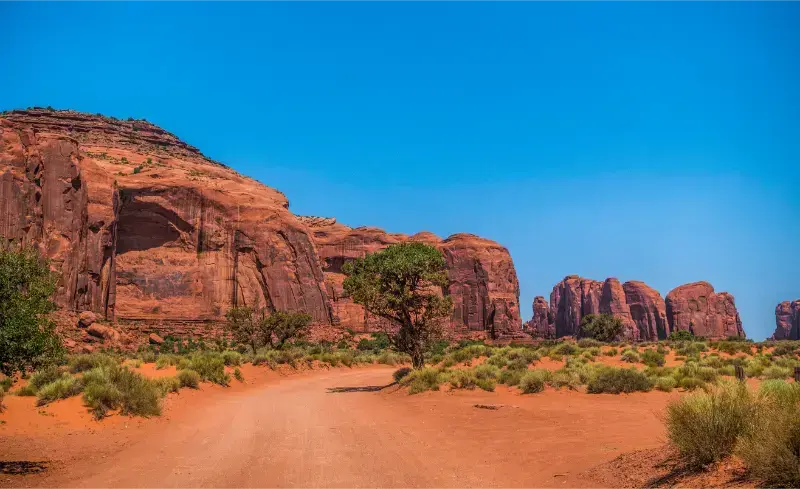
Cathedral Rock is one of Sedona’s defining formations, but the trailhead can be the hardest part of the experience. When the Sedona Shuttle is operating, parking at Cathedral Rock is closed and the free shuttle is the intended access. The climb is short on mileage but steep and hands-on in places, so treat it as a real hike rather than a casual viewpoint.
Go early enough to avoid heat and crowds, carry water and turn around if the slickrock feels uncomfortable. Travelers who only want the view can get excellent Cathedral Rock perspectives from Red Rock Crossing without doing the steep ascent.
2. See Devil’s Bridge with a realistic access plan
Devil’s Bridge is famous for the sandstone arch and dramatic photos, yet the approach is longer than many social posts imply. Most visitors should expect a meaningful hike, especially when parking farther away or using Dry Creek Vista access. A wide-angle photo makes the bridge look narrower and more exposed than it feels, but there are still drop-offs and queues at busy times.
If your trip falls on a shuttle day, check current Dry Creek Vista service before leaving the hotel. The route can be adjusted seasonally, particularly during intense summer heat.
3. Walk Bell Rock and Courthouse Butte
Bell Rock works well because you can choose the effort level. Stay low for easy red-rock scenery, climb partway for wider views or link into longer trails around Courthouse Butte. This flexibility makes the area excellent for families, mixed-ability groups and a first afternoon after driving into Sedona.
The landscape is especially attractive in low light, but parking can still fill. Avoid stopping illegally along the road; if the lot is full, shift to another nearby trail and come back later.
4. Explore Soldier Pass and the Seven Sacred Pools
Soldier Pass combines open red-rock views with Devil’s Kitchen sinkhole and the Seven Sacred Pools. The trailhead has strict access controls and is served by the Sedona Shuttle Route 14 when service runs. This is a good example of why Sedona rewards visitors who check transport rules the night before rather than relying on an old blog post.
5. Drive Red Rock Scenic Byway
State Route 179 between the Village of Oak Creek and central Sedona is not just transportation. Bell Rock, Courthouse Butte and layered cliffs appear almost continuously, and well-placed pullouts let you slow down without blocking traffic. Use the drive as a scenic connector rather than trying to photograph every formation from the shoulder.
6. Watch sunset from Airport Mesa or a quieter alternative
Airport Mesa offers a broad panorama and quick access, which also makes it busy. Arrive before sunset, expect limited parking and consider nearby viewpoints if traffic is backed up. The best sunset is not necessarily the place with the biggest crowd: west-facing pullouts, Red Rock Crossing and viewpoints along Upper Red Rock Loop can feel more relaxed.
7. Spend time at Oak Creek
A creek stop changes the rhythm of a Sedona trip. Grass, cottonwoods, shade and water create a different atmosphere from exposed slickrock. Depending on conditions and access, places around Red Rock Crossing and Slide Rock State Park can work for a picnic, photography or a slower family afternoon. Water levels and slippery rock deserve the same respect as desert heat.
8. Explore Chapel of the Holy Cross and the surrounding views
The chapel is architecturally striking, but the broader value is the setting: red formations rise immediately around the building and the approach opens views across the valley. Visit outside peak mid-day periods if possible, keep noise low and remember that this is an active religious site rather than merely a photo stop.
9. Try one vortex site with an open mind
Sedona’s vortex tradition is part spirituality, part local identity and part landscape experience. Airport Mesa, Bell Rock, Cathedral Rock and Boynton Canyon are commonly associated with vortex sites. You do not need to share any particular belief to appreciate why people find these places powerful: each combines unusual geology, wide views and a strong sense of scale.
10. Give yourself a no-hike half day
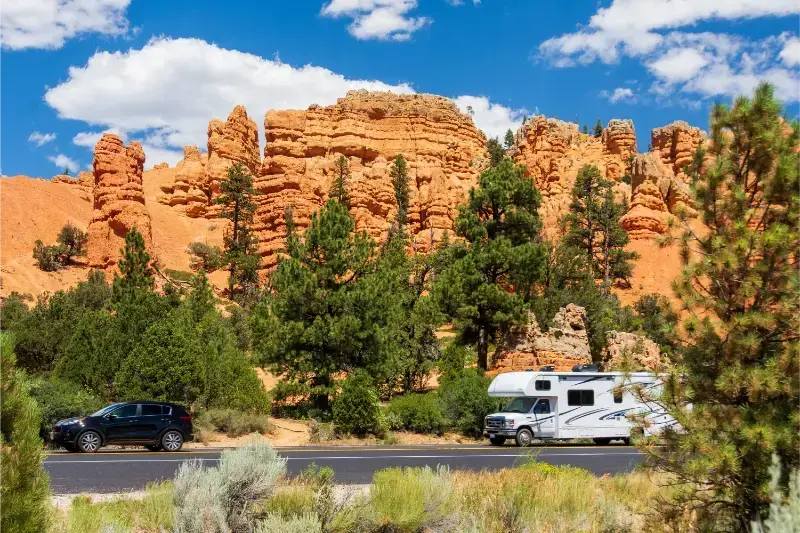
Sedona is more enjoyable when every day is not a physical challenge. Browse galleries in Tlaquepaque, explore Uptown, book a jeep or stargazing experience, sit beside Oak Creek or take a scenic drive. A recovery block also helps if weather, heat or crowded trailheads disrupt the original plan.
How to plan the trip without overpacking the day
For most first-time visitors, one substantial morning hike is enough. Pair it with lunch, a scenic drive and a sunset rather than stacking Cathedral Rock, Devil’s Bridge and Soldier Pass into the same day. Sedona’s short road distances can be misleading because parking searches and slow traffic add time.
Download trail maps before leaving Wi-Fi, carry more water than you think you need and start exposed hikes early. In summer, treat sunrise as a practical strategy rather than a photography preference. In winter, shaded slickrock can hold ice even when town feels mild.
Best time to go
March through May and October into early November usually provide the easiest combination of comfortable temperatures and long hiking days, but these are also popular periods. Winter can deliver crisp air, lighter crowds and occasional snow on red rock, while summer requires very early starts and a willingness to replace exposed hikes with creek, town or indoor time.
Monsoon-season thunderstorms can build rapidly. Slot-like drainages, exposed ridges and slickrock are poor places to be during lightning or flash-flood conditions. Check the National Weather Service forecast and local alerts before committing to a long outing.
Getting there and getting around
A car remains useful for lodging, restaurants and trail areas beyond the shuttle network. However, trying to force a car into every famous trailhead wastes time. Sedona’s free trailhead shuttles normally serve Cathedral Rock, Little Horse, Soldier Pass, Dry Creek Vista and Mescal on selected days, with expanded schedules during busy periods.
When the shuttle is running, Cathedral Rock and Soldier Pass trailhead parking is closed. Use the designated park-and-ride lots, keep a screenshot of the return schedule and have a backup trail in case service or weather changes.
Where to stay and how many nights
Compare available accommodation for your dates, budget and preferred location before you finalize your route.
Three nights is a strong first visit. Uptown is convenient for walking to shops and restaurants; West Sedona has many practical services and often makes trail access easier; the Village of Oak Creek can feel quieter and works well for Bell Rock and Route 179 scenery.
Do not choose accommodation by nightly rate alone. A cheaper room that forces a long cross-town drive during peak traffic can cost you a sunrise start or an hour of parking frustration. Location is part of the itinerary in Sedona.
Compare accommodation: compare hotels and other stays on Booking.com.
A simple first-time itinerary
- Day 1: Bell Rock/Courthouse Butte + Chapel of the Holy Cross + sunset viewpoint
- Day 2: Cathedral Rock or Devil’s Bridge early + Oak Creek/Tlaquepaque in the afternoon
- Day 3: Soldier Pass or Boynton Canyon + scenic drive + relaxed evening
If hiking is not the focus, keep the same geographic structure but swap one trail for a jeep tour, art galleries, wine-country excursion or longer creek stop.
Common mistakes to avoid
- Driving to Cathedral Rock on a shuttle day without checking access
- Starting exposed hikes late in summer
- Planning three headline hikes in one day
- Parking illegally when a lot is full
- Treating every vortex site as a separate must-see
The best Sedona trips feel spacious. The scenery is the experience, not just the background between checkpoints.
Build this into a wider Arizona trip
Combine this article with our Sedona Travel Guide and Where to Stay in Sedona. For a larger route, Sedona fits naturally between Phoenix and the Grand Canyon on the Arizona road trip.
Useful official resources
More Arizona planning
- Arizona Travel Guide
- Best Things to Do in Arizona
- Arizona Road Trip: 10–14 Days
- Best Time to Visit Arizona
- Sedona Travel Guide
- Where to Stay in Sedona
Extra practical advice
One useful way to improve the itinerary is to protect the first hour of the day. In Arizona, the early window often has cooler temperatures, softer light, easier parking and more wildlife activity. Use that hour for the experience that would be hardest to repeat later, then let breakfast, shopping or a scenic drive absorb any delays. This simple habit also reduces the temptation to rush when a trail, tour or road takes longer than expected.