

Destinations › West › Utah › Best Places to Visit in Utah
Utah’s best places are spread across two very different worlds: the red-rock south and the mountain-and-city north. Most first-time visitors build around the Mighty 5, but Salt Lake City, Park City, Antelope Island and smaller desert areas can create a completely different trip.
The list below emphasizes places that can anchor a day or a multi-night stay. It also explains which destinations combine naturally so you can avoid zigzagging across a state that looks deceptively compact on a map.
15 places worth prioritizing
1. Zion National Park
Best for a dramatic first Utah park. Springdale makes an excellent base, while the shuttle system simplifies access to the main canyon during much of the year. Two nights is a better minimum than one if hiking matters.
2. Bryce Canyon National Park
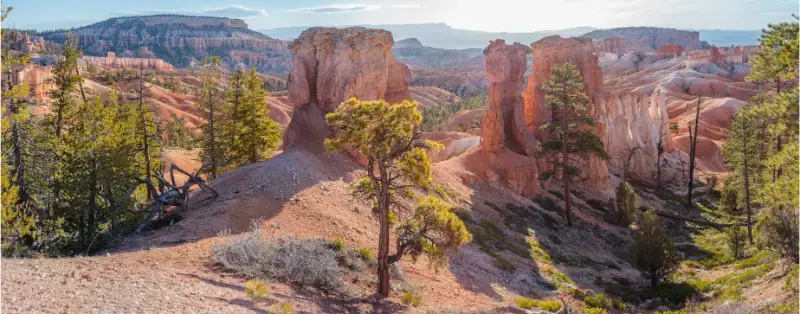
Best for hoodoos, high-elevation sunrise and a park that can feel complete in one full day. Bryce pairs naturally with Zion and Scenic Byway 12, but its colder climate means packing differently.
3. Capitol Reef National Park
Best for travelers who want geology, orchards, quieter trails and a road-trip feel. Torrey is the practical overnight base, and the park fits perfectly between Bryce and Moab.
4. Arches National Park
Best for concentrated sandstone formations and recognizable landmarks. Stay in Moab, arrive with parking flexibility and plan one longer hike plus a handful of roadside or short-walk stops.
5. Canyonlands National Park
Best for scale. Island in the Sky works for first-time visitors from Moab, while The Needles is better for hikers willing to drive farther. The Maze is remote backcountry, not a casual add-on.
6. Moab
Best multi-night base in southeastern Utah. Arches and Canyonlands are only the beginning: Dead Horse Point, Colorado River activities, biking, UT-128 and independent hiking justify several nights.
7. Grand Staircase–Escalante
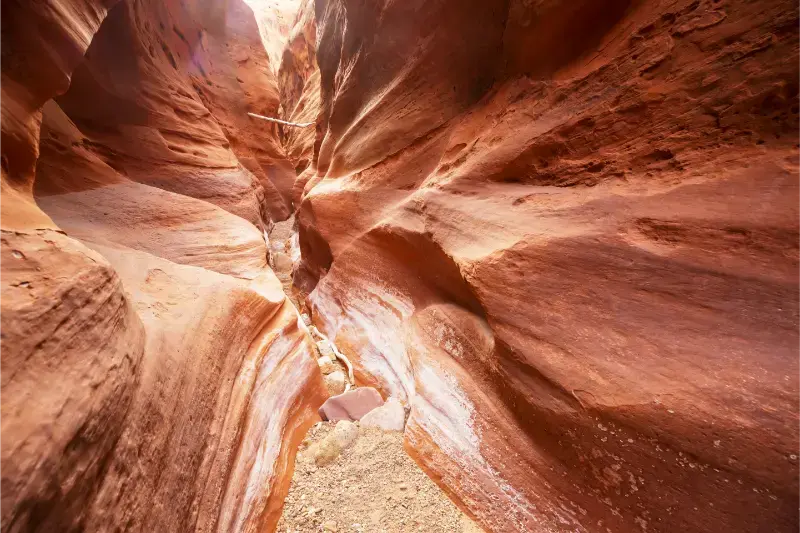
Best for travelers who value remoteness and scenic-road discovery. Escalante and Boulder are small bases, road conditions can change quickly, and offline navigation plus extra water are essential.
8. Scenic Byway 12
Best road in the state for combining destinations. It links the Bryce region, Grand Staircase–Escalante, Boulder Mountain and Capitol Reef, turning a transfer into one of the trip’s biggest highlights.
9. Salt Lake City
Best urban gateway. Downtown museums and history, food, nearby canyons and easy airport access make it a useful beginning or end to a national-park route rather than just a place to collect a rental car.
10. Park City
Best mountain-town contrast to southern Utah. Ski season dominates winter, while summer and fall bring hiking, biking, festivals and cooler temperatures.
11. Antelope Island State Park
Best for Great Salt Lake scenery and wildlife without driving far from Salt Lake City. Conditions change with season, water levels and insects, so check current park information.
12. Goblin Valley State Park
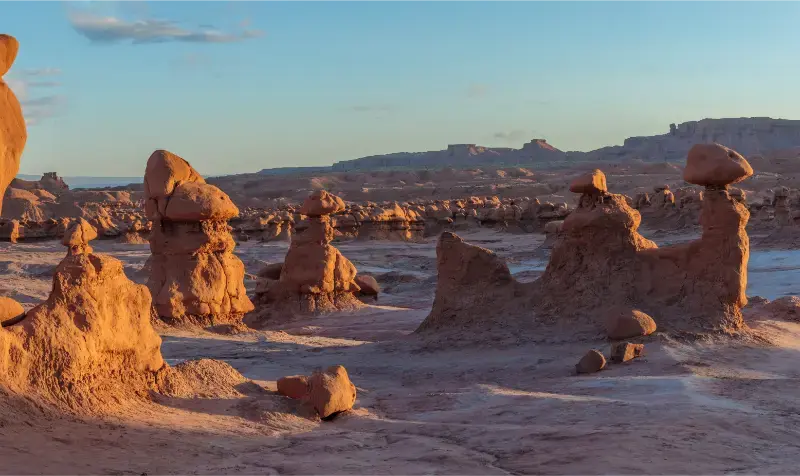
Best for playful geology and a half-day stop between central Utah and Moab. The exposed basin is much more comfortable outside the hottest hours.
13. Kanab
Best strategic base for a cross-border trip. Kanab can connect Zion’s east side, Coral Pink Sand Dunes, Grand Staircase and northern Arizona, especially when Page or the Grand Canyon is part of the itinerary.
14. Cedar Breaks National Monument
Best for high-elevation color and summer relief from desert heat. Seasonal road access and snow matter; check current conditions before building a spring or autumn route around it.
15. Valley of the Gods and Mexican Hat
Best for a quieter southeastern Utah extension near the Arizona border. Roads can be unpaved and weather-sensitive, so the area suits travelers comfortable with flexible desert driving rather than tightly timed schedules.
How to combine the places without overdriving
A southern loop naturally groups Zion, Bryce, Scenic Byway 12, Capitol Reef and Moab. Salt Lake City and Park City belong together in northern Utah. Kanab works when you are connecting southern Utah with Page or the Grand Canyon. Trying to include every group in a one-week trip creates more windshield time than travel time.
Best places by trip style
| Trip style | Best choices |
| First national-park trip | Zion + Bryce + Moab |
| Hiking | Zion, The Needles, Escalante |
| Photography | Bryce, Arches, Dead Horse Point, Scenic 12 |
| Families | Bryce, Moab, Goblin Valley, Salt Lake City |
| Winter | Salt Lake City/Park City or a carefully planned southern Utah trip |
| Road-trip lovers | Scenic Byway 12 + Capitol Reef + Moab |
Official planning resources
Continue planning your Utah trip
- Utah Travel Guide
- Best Things to Do in Utah
- Utah Road Trip: Mighty 5
- Best Places to Visit in Utah
- Best Time to Visit Utah
- Where to Stay in Utah
- Zion National Park Travel Guide
- Bryce Canyon National Park Travel Guide
- Arches National Park Travel Guide
- Moab Travel Guide
- Canyonlands National Park Travel Guide
What to skip on a short first trip
Do not add northern Utah, southern Utah and the Arizona border simply because all three fit on one state map. A first trip becomes stronger when you let one region define the vacation and leave the opposite end for another visit.
Frequently asked questions
What is the best first Utah destination?
Zion is the strongest single first park, while Moab is the strongest multi-park base.
Is northern Utah worth adding?
Yes if you have extra days or fly through Salt Lake City, but it is better as its own segment than a rushed detour from the Mighty 5.
Final planning checklist
- Check official park conditions 24–48 hours before major hikes.
- Download offline maps before leaving gateway towns.
- Carry water, sun protection and a warm layer even when the forecast looks simple.
- Keep one activity per day flexible for parking, storms or heat.
- Avoid scheduling a long drive immediately after a demanding sunset hike.
A deeper planning strategy
When comparing Utah destinations, judge them by the kind of day they create rather than by fame. Zion is a canyon day built around shuttles and vertical trails; Bryce is a high-elevation amphitheater day; Moab is a multi-day base; Scenic Byway 12 is a moving landscape; Salt Lake City is an urban reset. Combining places that create different rhythms produces a much stronger vacation than stacking destinations that require the same kind of effort. This is especially important for families and first-time hikers, who benefit from alternating long walks with scenic drives, easier viewpoints, town time and recovery. A Utah itinerary should feel varied even when the scenery remains red rock for several days.
How long to stay in each part of Utah
Trip length should follow geography. Give Zion two or three nights if you want a serious hike, Bryce one or two nights, Capitol Reef at least one night and Moab three or four. Those numbers are not arbitrary: they reflect access, the number of distinct landscapes nearby and the value of seeing each place outside the busiest middle of the day.
Northern Utah deserves separate time. Salt Lake City plus Park City can fill three or four days without touching the Mighty 5. Trying to add them to a seven-day southern loop usually means one long drive for very little return. If you fly through Salt Lake City, use one city night as a transition rather than pretending it is a full northern-Utah vacation.
Three strong first-trip combinations
For a seven-day first trip, Zion + Bryce + Capitol Reef creates a coherent southwest-to-central route with less driving than a full Mighty 5 sprint. For a Moab-focused week, use Moab as a four-night base for Arches, Island in the Sky, Dead Horse Point and a Needles or river day, then add Capitol Reef or Salt Lake City depending on flights.
With ten to fourteen days, the classic Mighty 5 route becomes realistic: Zion, Bryce, Scenic Byway 12, Capitol Reef and Moab. The important change is not merely adding more parks; it is adding recovery time and scenic-road time. A great Utah trip has mornings when you are not packing a suitcase.
Southern Utah versus northern Utah
Southern Utah is road-trip country built around desert geology, national parks and small gateway towns. Northern Utah is more urban and alpine, with Salt Lake City, the Wasatch, ski resorts, the Great Salt Lake and mountain communities. They share a state but create different travel styles, climates and packing lists.
This distinction is especially useful in winter. Park City and the Wasatch may be the entire purpose of a ski vacation while southern Utah provides quieter red-rock hiking with weather risk. In midsummer the logic reverses: high-country northern Utah can offer relief when low desert temperatures become punishing.
A simple decision rule for first-time visitors
If you have never visited Utah, start by choosing the landscape you most want to wake up near. Pick Springdale if Zion is the dream, Moab if you want the greatest variety from one base, or the Bryce–Capitol Reef corridor if scenic driving matters as much as hiking. Then build outward for the number of days you actually have. This keeps the itinerary anchored in one strong experience instead of letting a list of famous names dictate the route.
For repeat trips, do the opposite: choose the areas you skipped. Northern Utah, Grand Staircase, The Needles and smaller state parks become much more rewarding when they are not squeezed between first-time must-sees.
Explore more Utah destinations
Add these destinations when your trip extends beyond the first Mighty 5 highlights.
- Capitol Reef
- Grand Staircase–Escalante
- Salt Lake City
- Park City
Looking for the right place to stay? Compare hotels and accommodation on Booking.com.