

Destinations › West › Utah › Best Things to Do in Utah
Utah is not a one-park destination. The state works best when you combine one or two major national parks with scenic roads, smaller public lands, dark-sky evenings and enough time in the gateway towns to avoid turning the trip into a parking-lot marathon.
This list focuses on experiences that feel meaningfully different from one another. It includes the famous Mighty 5, but it also makes room for high-country drives, desert state parks, northern Utah and slower days around Moab. Use it to choose a trip style, not to build a 25-stop checklist.
Utah at a glance
| Question | Best answer |
| Best first trip | Southern Utah road trip |
| Ideal length | 10–14 days for the Mighty 5 with breathing room |
| Best base for two parks | Moab |
| Best gateway for Zion | Springdale |
| Best road | Scenic Byway 12 |
| Best shoulder seasons | Spring and fall |
25 Utah experiences worth building a trip around
1. Walk beneath Zion’s canyon walls
Use the Zion Canyon shuttle when it is operating and spend time on the Riverside Walk, Emerald Pools area or a carefully chosen trail rather than hopping off at every stop. The canyon feels most dramatic when you slow down and notice the scale from the valley floor.
2. Hike toward Angels Landing—only if it suits you
The chain section beyond Scout Lookout requires a permit every day. Even without a permit, the West Rim Trail to Scout Lookout is a substantial hike with wide canyon views. Do not let the reputation of Angels Landing pressure you into exposed terrain you do not enjoy.
3. Experience the Narrows with conditions in mind
The bottom-up Narrows hike begins from the Temple of Sinawava and normally does not require a permit, but river flow, cold water, storms and flash-flood potential determine whether it is a good idea. Check current NPS conditions the same morning.
4. Watch sunrise or sunset at Bryce Canyon
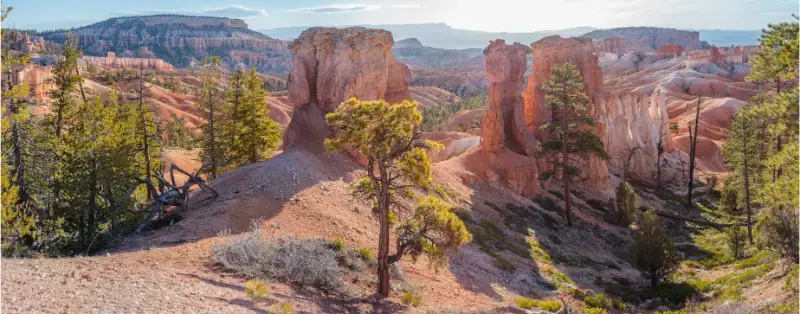
Bryce is high enough to feel completely different from Zion. Sunrise Point, Sunset Point, Inspiration Point and Bryce Point offer changing light across the hoodoos, while cold mornings can occur even when lower Utah is warm.
5. Hike below the Bryce rim
The amphitheater becomes much more three-dimensional once you descend. Queens Garden and Navajo Loop are the classic combination, but trail sections can close seasonally because of ice, rockfall or maintenance.
6. Drive Scenic Byway 12 slowly
This road between the Bryce region and Capitol Reef is an experience in its own right. Red Canyon, Boulder Mountain, the Hogback and the Escalante area make the mileage deceptive: a transfer day can easily become a full sightseeing day.
7. Spend a quieter day in Capitol Reef
Capitol Reef is ideal when you need a change from the intense crowd patterns of Zion and Arches. The Waterpocket Fold, Fruita, orchards, short hikes and scenic drives reward an overnight in Torrey rather than a rushed drive-through.
8. See Delicate Arch at Arches
Delicate Arch is one of the state’s defining landmarks, but the three-mile round trip is exposed to sun and can feel much harder in heat. Start early or go later when temperatures allow, carry water and do not expect solitude at the arch.
9. Explore the Windows and Double Arch
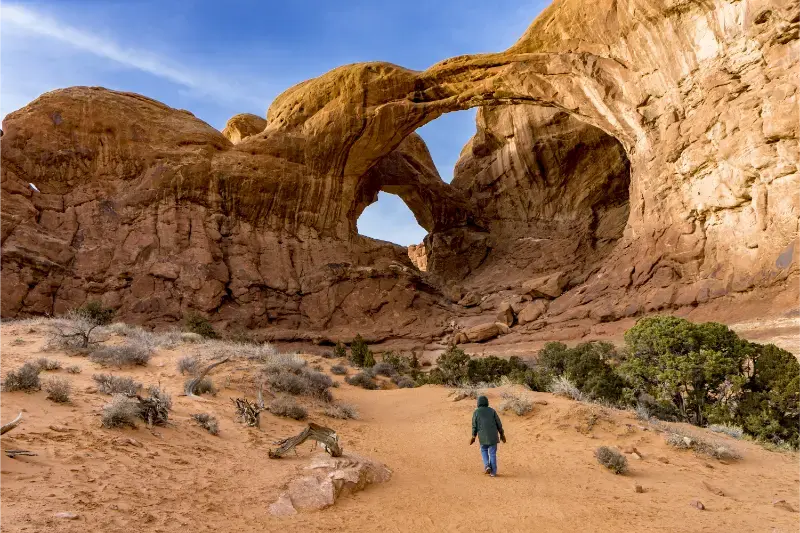
This compact part of Arches delivers a lot of geology for relatively little walking. It is an excellent first stop for families or travelers who do not want a long hike, and low-angle light helps reveal texture in the sandstone.
10. Walk part of Devils Garden
Devils Garden ranges from an easy walk to Landscape Arch to a demanding primitive loop with route-finding and exposed sandstone. Choose the section that matches your comfort rather than assuming the full loop is necessary.
11. Base several nights in Moab
Moab is more valuable as a base than as a single attraction. It gives you flexibility for Arches, Canyonlands, Dead Horse Point, river trips, mountain biking, scenic drives and weather changes without repacking every morning.
12. Stand above the canyons at Island in the Sky
The easiest Canyonlands district from Moab combines Mesa Arch, Grand View Point and dramatic overlooks into a rewarding day. The landscape is vast enough that a few carefully chosen stops are better than racing to every pullout.
13. Go deeper at The Needles
The Needles district is farther from Moab and feels more remote. It deserves separate planning, enough fuel and a full day if you want a meaningful hike. Do not assume the districts connect internally by a short park road.
14. Watch sunset at Dead Horse Point
Dead Horse Point State Park provides huge Colorado River views with simpler logistics than many national-park trailheads. It pairs naturally with Island in the Sky and is particularly effective near sunset when the mesas gain depth.
15. Hike Corona Arch
Outside Arches National Park, Corona Arch offers a memorable hike across slickrock and open desert. The route has cables and a ladder in places, so it is not simply a flat walk, but it provides an excellent alternative when park parking is stressful.
16. Drive Utah 128 along the Colorado River
The river corridor northeast of Moab passes canyon walls, recreation sites and access toward Fisher Towers. It is a good recovery drive after a hiking day and a reminder that the best Moab scenery is not confined to national-park boundaries.
17. Explore Goblin Valley State Park
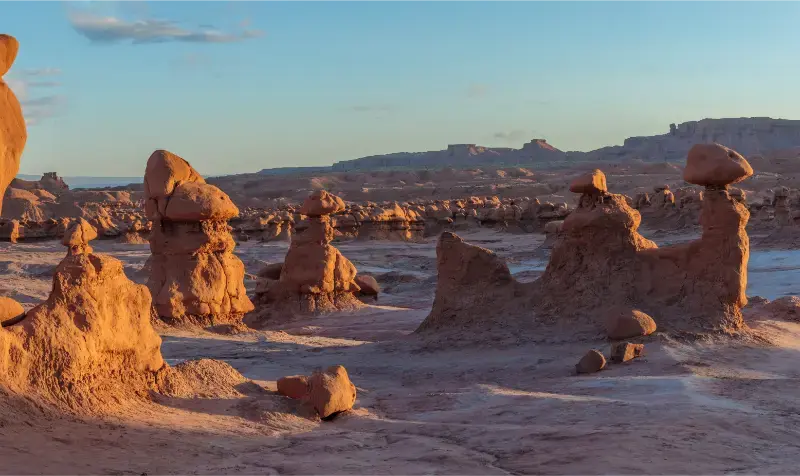
Goblin Valley’s hoodoo-like formations create a playful landscape that works especially well for families and photographers. It can be brutally exposed in warm weather, so shoulder seasons and early starts are more comfortable.
18. Spend time in Grand Staircase–Escalante
This enormous landscape rewards travelers who are comfortable with remote roads and changing conditions. Use Escalante or Boulder as a base, carry extra water and verify road surfaces before committing to backcountry trailheads.
19. Stop in Kanab
Kanab is a practical base for southern Utah and northern Arizona, especially when your route includes Zion’s east side, Coral Pink Sand Dunes or day trips toward Page. It works best as a hub rather than a sightseeing checklist.
20. See Cedar Breaks at high elevation
Cedar Breaks National Monument resembles a vast amphitheater of colorful rock at much higher elevation than the desert parks. Snow can linger, seasonal access matters and summer temperatures can be refreshingly cool.
21. Visit Salt Lake City with context
Temple Square, museums, food neighborhoods and nearby canyons make Salt Lake City worth more than an airport night. It also resets the pace after a long national-park loop and opens the door to northern Utah.
22. Ride or hike around Park City
Park City changes dramatically by season. Winter centers on skiing and resort life, while summer and fall bring hiking, mountain biking and cooler temperatures than the southern desert.
23. Visit Antelope Island for Great Salt Lake views
Antelope Island State Park combines lake views, open landscapes and wildlife such as bison. Conditions can include insects at certain times of year, so check current reports rather than assuming every season feels the same.
24. Photograph the Bonneville Salt Flats responsibly
The flats create a surreal horizon west of Salt Lake City, but conditions vary with moisture and events. Stay on legal access routes and do not treat wet salt surfaces as an invitation to drive anywhere.
25. Plan at least one dark-sky evening
Southern Utah’s dry air and protected landscapes can produce exceptional night skies. Stargazing works best when you schedule it intentionally, allow your eyes to adapt and avoid making a long night drive immediately after a tiring hike.
How to choose among these experiences
For a one-week trip, concentrate on one side of southern Utah: Zion–Bryce–Capitol Reef or Moab–Arches–Canyonlands. With ten to fourteen days, connect the clusters along Scenic Byway 12. Add Salt Lake City or northern Utah only when it fits your flights or you have extra days.
The strongest itinerary usually contains fewer famous stops than you think. Two nights in Zion and three in Moab will often produce more memorable travel than ten single-night hotel changes.
Useful official resources
Continue planning your Utah trip
- Utah Travel Guide
- Best Things to Do in Utah
- Utah Road Trip: Mighty 5
- Best Places to Visit in Utah
- Best Time to Visit Utah
- Where to Stay in Utah
- Zion National Park Travel Guide
- Bryce Canyon National Park Travel Guide
- Arches National Park Travel Guide
- Moab Travel Guide
- Canyonlands National Park Travel Guide
How to make a Utah trip feel less rushed
Choose one signature activity each morning, one flexible activity later in the day and a single sunset location. This rhythm leaves room for heat, parking, storms and simple fatigue while still creating memorable days.
Utah etiquette and public-land responsibility
Stay on durable surfaces where required, do not carve or climb on cultural resources, pack out trash and avoid biological soil crust in desert areas. The landscape can look indestructible, but many surfaces recover very slowly.
More experiences to plan in depth
These dedicated guides expand several of the experiences in this article.
Looking for the right place to stay? Compare hotels and accommodation on Booking.com.