

Destinations › West › Utah › Best Time to Visit Utah
There is no single best month for all of Utah. Zion sits much lower and warmer than Bryce Canyon; Moab can be hot while the Wasatch still has snow; high plateaus may freeze when Salt Lake City feels like spring. The right timing depends on which elevations and activities your trip combines.
For most first-time southern Utah road trips, late April through May and mid-September through October offer the best balance. But every month has a purpose. Use this guide to match weather, daylight, crowds and trail access to the places you actually plan to visit.
Quick answer
| Goal | Best period |
| Mighty 5 road trip | Late April–May or mid-September–October |
| Zion hiking | Spring/fall with conditions checked |
| Bryce hiking | Late spring through fall; winter for snow scenery |
| Moab | March–May and September–October |
| Skiing | December–March |
| Lower prices/quiet | Winter outside ski areas |
January
January is a split-personality month. Northern Utah is in ski season, while southern parks can be quiet, cold and occasionally snowy. Arches and Canyonlands may have crisp sunny days, but ice can linger on shaded slickrock. Bryce Canyon is genuinely wintery because of its elevation.
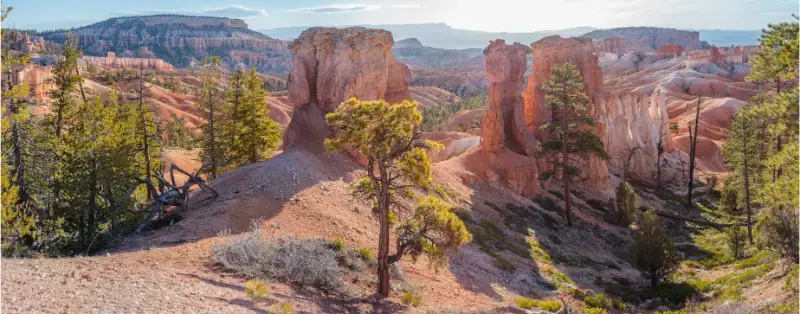
Choose January if you value solitude, snow photography or a Salt Lake/Park City trip. Do not choose it for a first Mighty 5 circuit unless you are comfortable with short daylight, winter driving and trail traction.
February
February remains winter in northern and high-elevation Utah. Zion’s lower canyon can be mild on sunny afternoons, but mornings are cold and water-based hikes are not a casual choice. Moab is still quiet compared with spring.
This month works well for travelers who can remain flexible and prioritize viewpoints over long backcountry drives. Check for snow and ice on Scenic Byway 12 and Boulder Mountain before routing between Bryce and Capitol Reef.
March
March begins the southern Utah spring season. Days lengthen, Moab becomes busier and Zion starts regular shuttle service in early March 2026. Bryce can still be snowy and cold, so one suitcase may need both desert sun protection and real winter layers.
Spring break can create sharp crowd spikes. If you visit Zion or Arches, book lodging early and start popular trails before midmorning.
April
April is one of the strongest all-around months. Desert temperatures are usually much more hiking-friendly than summer, daylight is generous and most road-trip services are active. Bryce still needs cold-weather flexibility, especially early in the month.
The Bryce shuttle begins April 3 in 2026. Zion’s shuttle is also running. Arches does not require timed-entry reservations in 2026, but parking congestion remains possible.
May
May offers long days and increasingly reliable access at high elevations, making it excellent for a full Mighty 5 route. Temperatures in Moab and Zion can already become hot in the afternoon, so early hiking habits matter.
Late May holiday weekends bring major crowds. Book Springdale, Bryce and Moab well in advance, then protect the trip by keeping at least one flexible activity each day.
June
June means long daylight, open high country and increasingly serious desert heat. Start strenuous hikes around sunrise, carry more water than you think you need and plan midday around scenic drives, museums, lunch or hotel recovery.
Flash-flood awareness becomes essential for slot canyons and river corridors. A blue sky overhead does not guarantee safety upstream, so check official forecasts rather than relying on visual impressions.
July
July is hot in southern Utah and busy across the national parks. It can still work for families tied to school calendars, but the day needs to be structured around early mornings and late evenings. Bryce’s elevation makes it a useful cooler stop between lower desert parks.
Afternoon storms can alter hiking conditions. Avoid rigid schedules that force you onto exposed trails at the hottest or stormiest time of day.
August
August stays hot in Moab and Zion, with monsoon-style storms capable of producing flash floods. Bryce and high plateaus remain cooler, while northern Utah offers mountain escapes.
This is a month for conservative hiking choices. The reward is dramatic cloud light and long evenings, but never trade safety for a fixed itinerary.
September
September is one of Utah’s best months. Heat gradually eases, nights lengthen and the first half of the month still has summer-like access. Zion’s shuttle schedule continues, and Bryce runs its shuttle through October 18 in 2026.
Late September brings excellent conditions for Moab and Scenic Byway 12. High elevations can cool quickly after sunset, so pack layers.
October
October may be the best compromise for a southern Utah road trip. Moab and Zion are generally far more comfortable than midsummer, cottonwoods can add color and hiking feels sustainable through more of the day.
At Bryce and Boulder Mountain, early snow is possible. The best plan is to check weather several days ahead and maintain a lower-elevation alternative.
November
November brings shorter days and a transition to winter. Crowds drop significantly after peak fall, but services and shuttle schedules reduce. Zion’s canyon shuttle continues through November 28 in 2026 before a temporary winter break.
This can be a rewarding photography month if you are comfortable with cold mornings. Do not schedule long scenic drives as if sunset still occurs at summer hours.
December
December is ski season in northern Utah and quiet season in much of the red-rock south. Zion runs a holiday shuttle period from December 26 into early January in 2026, while other winter dates allow different canyon driving patterns.
Winter storms can turn red rock into exceptional scenery, but slick roads and icy trails require traction, patience and a willingness to cancel a hike.
Weather mistakes that ruin Utah trips
- Planning by Salt Lake City weather for a Bryce Canyon day.
- Scheduling a long summer hike at noon because the mileage looks short.
- Assuming dry weather at your hotel means a slot canyon is safe.
- Ignoring snow and ice at high elevations in spring or fall.
- Treating winter daylight like summer daylight on transfer days.
2026 season resources
Continue planning your Utah trip
- Utah Travel Guide
- Best Things to Do in Utah
- Utah Road Trip: Mighty 5
- Best Places to Visit in Utah
- Best Time to Visit Utah
- Where to Stay in Utah
- Zion National Park Travel Guide
- Bryce Canyon National Park Travel Guide
- Arches National Park Travel Guide
- Moab Travel Guide
- Canyonlands National Park Travel Guide
Daylight matters as much as temperature
Road trips depend on usable light. In winter you may have comfortable midday temperatures but too little daylight for a long hike plus a scenic transfer. In summer, long light helps, yet the hottest hours may be unusable for exposed hiking. Build each day around both temperature and sunset time.
Frequently asked questions
Is May or October better?
Both are excellent. May has longer days; October often has cooler desert temperatures. Bryce and high elevations can be cold in either month.
Is July too hot?
Not impossible, but southern Utah requires dawn starts, midday recovery and careful water/flash-flood planning.
Can you visit Utah in winter?
Yes. Northern Utah has ski season and southern parks can be quiet, but snow, ice, short daylight and reduced services require flexibility.
Final planning checklist
- Check official park conditions 24–48 hours before major hikes.
- Download offline maps before leaving gateway towns.
- Carry water, sun protection and a warm layer even when the forecast looks simple.
- Keep one activity per day flexible for parking, storms or heat.
- Avoid scheduling a long drive immediately after a demanding sunset hike.
A deeper planning strategy
A good Utah calendar also considers booking pressure. Spring and fall can have the nicest hiking weather but the most competition for Springdale and Moab lodging. Summer can offer better room availability in some places but demands a very different daily rhythm. Winter can be excellent value in southern Utah while northern ski areas become expensive. Instead of choosing a month only from average temperatures, compare the exact mix of lodging rates, daylight, shuttle operations, trail access and the physical demands of your planned hikes. The “best” month is the one that makes your specific itinerary easier, not the month with the prettiest climate chart.
Crowds and booking pressure by season
Weather is only half the timing question. Spring and fall are the most comfortable hiking seasons in southern Utah, which means Springdale and Moab can be expensive and heavily booked. Popular trailheads fill early even when temperatures are perfect. Reserve lodging first, then build the detailed route around what you can actually book.
Summer crowds remain high because of school holidays even though midday heat can make hiking unpleasant. Winter does the opposite: southern Utah lodging may become easier while ski destinations around the Wasatch reach peak demand. A statewide “low season” does not really exist because different parts of Utah peak at different times.
Packing for elevation changes
A single Utah road trip can move from warm Zion Canyon to chilly Bryce Canyon in a few hours. Pack layers, not one seasonal uniform. A lightweight insulating layer, wind shell, sun hat and warm evening option are useful even in months that feel like summer in Las Vegas.
High-elevation roads and trails can hold snow or ice after lower desert areas have turned warm. Conversely, a cool morning in Bryce does not mean Moab will be comfortable at noon. Check forecasts for each overnight base instead of one statewide weather app location.
Looking for the right place to stay? Compare hotels and accommodation on Booking.com.