

Destinations › West › Utah › Bryce Canyon National Park
Bryce Canyon is compact enough for a rewarding one-day visit, but staying overnight changes the experience. Sunrise, sunset, cold high-elevation air and a hike below the rim reveal why Bryce is more than a viewpoint stop between Zion and Capitol Reef.
The park sits much higher than many Utah travelers expect. That elevation creates cooler summers, winter snow and spring/fall conditions that can differ sharply from Zion on the same day.
Bryce at a glance
| Question | Best answer |
| Ideal stay | 1–2 nights |
| Signature hike | Queens Garden + Navajo Loop when open |
| Best easy experience | Sunrise/Sunset/Inspiration viewpoints |
| 2026 shuttle | April 3–October 18 |
| Biggest weather surprise | Cold, snow and ice at high elevation |
Start with the Bryce Amphitheater
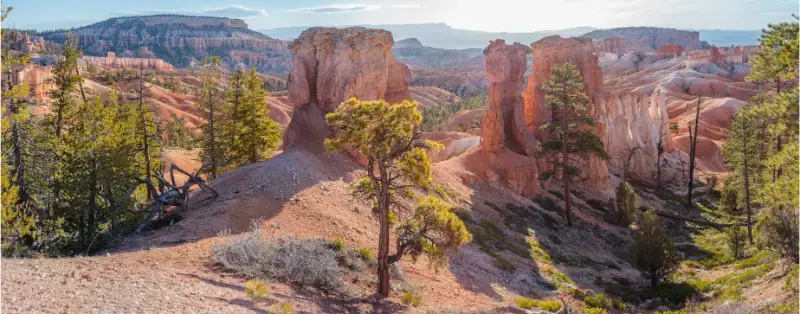
The main amphitheater concentrates the park’s famous hoodoos between Sunrise Point, Sunset Point, Inspiration Point and Bryce Point. You can sample it quickly from the rim, but the formations become far more impressive when you descend among them.
Queens Garden and Navajo Loop
Queens Garden is a gentler descent than some alternatives and pairs naturally with Navajo Loop for a classic below-rim circuit. Seasonal closures can affect Wall Street and other segments, so check the current trail page rather than following an old map blindly.
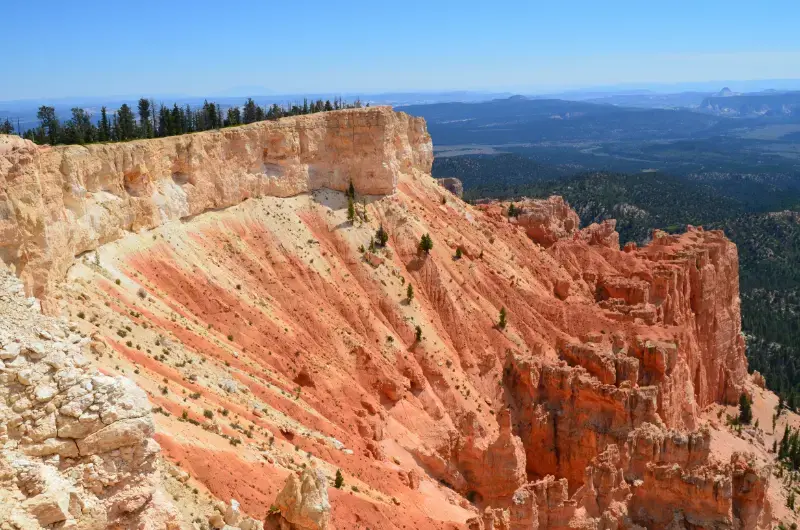
The climb back to the rim feels much harder than the descent, especially if you came directly from a lower-elevation destination. Pace yourself and carry water even when temperatures feel cool.
Rim Trail
The Rim Trail lets you connect major viewpoints on foot and use the shuttle to avoid retracing every step. This is one of the easiest ways to reduce parking stress while still seeing changing angles across the amphitheater.
Peekaboo Loop
Peekaboo is a more demanding option with repeated elevation changes and close-up hoodoo scenery. It works best for fit hikers who want a half-day or longer below the rim. Horses may share parts of the route, and the exposure to sun can be stronger than expected.
2026 Bryce shuttle
The free Bryce Canyon shuttle operates April 3 through October 18 in 2026. It runs roughly every 15 minutes and is included with park admission. The easiest boarding points are the Shuttle Station in Bryce Canyon City and the Visitor Center.
From May 9 through September 20, scheduled service runs from 8:00 a.m. to 8:00 p.m. Shoulder-season operating hours are shorter. You may still drive private vehicles on many park roads, but the shuttle can make the amphitheater easier during busy periods.
Scenic Drive to Rainbow Point
Beyond the amphitheater, the park road climbs south toward higher viewpoints such as Natural Bridge and Rainbow Point. This section deserves time when you have more than one day, but it should not replace a below-rim hike on a first visit.
Sunrise or sunset?
Sunrise lights the east-facing formations quickly and can be spectacular, but you do not have to sacrifice sleep every day of a road trip. Sunset and blue hour can be just as rewarding from the rim. Choose the time that fits your overall energy, not a social-media rule.
One-day itinerary
Arrive early, hike Queens Garden/Navajo Loop if open, eat lunch, use the shuttle or Rim Trail for viewpoints and finish with late light. If you dislike hiking, replace the loop with more rim walking and part of the scenic drive.
Two-day itinerary
Use day one for the amphitheater and a below-rim hike. On day two, explore the southern scenic drive, Mossy Cave or nearby Red Canyon, then continue onto Scenic Byway 12. Two nights are especially valuable for stargazing.
Weather and altitude
Bryce rim elevations exceed 8,000 feet in many places. Visitors may feel the altitude, and temperatures can drop quickly after sunset. Snow is possible outside the heart of winter, so check both trail and road conditions before a spring or late-fall visit.
Common Bryce mistakes
- Dressing for Zion temperatures instead of Bryce temperatures.
- Skipping all below-rim walking because the viewpoints are convenient.
- Trying to combine Bryce, Scenic Byway 12 and Capitol Reef in a single rushed day.
- Ignoring seasonal ice on steep trail switchbacks.
Official resources
Continue planning your Utah trip
- Utah Travel Guide
- Best Things to Do in Utah
- Utah Road Trip: Mighty 5
- Best Places to Visit in Utah
- Best Time to Visit Utah
- Where to Stay in Utah
- Zion National Park Travel Guide
- Bryce Canyon National Park Travel Guide
- Arches National Park Travel Guide
- Moab Travel Guide
- Canyonlands National Park Travel Guide
Stargazing at Bryce
Bryce’s high elevation and dark skies can produce excellent stars. Give your eyes 20–30 minutes to adapt, use a red light and dress much warmer than daytime temperatures suggest. A clear summer evening at 8,000 feet can still feel cold after midnight.
Frequently asked questions
Is one day enough?
Yes for the amphitheater and one below-rim hike. Two days are better for the scenic drive, stars and a slower pace.
Do you need the shuttle?
No, but it is useful in busy periods and runs seasonally in 2026.
Is Bryce colder than Zion?
Usually, often dramatically so because the rim is much higher.
Final planning checklist
- Check official park conditions 24–48 hours before major hikes.
- Download offline maps before leaving gateway towns.
- Carry water, sun protection and a warm layer even when the forecast looks simple.
- Keep one activity per day flexible for parking, storms or heat.
- Avoid scheduling a long drive immediately after a demanding sunset hike.
A deeper planning strategy
Because Bryce is compact, visitors often over-schedule the same day with a long transfer. A better approach is to let the park own either the morning or the afternoon. If you arrive from Zion, use late light on the rim and sleep nearby, then hike below the rim the next morning. If you are continuing east, finish the hike, eat lunch and begin Scenic Byway 12 with enough daylight to stop safely. This sequencing matters because the road after Bryce is not a boring connector. Red Canyon, high plateaus and the Escalante landscape can consume hours in the best possible way. Treating Bryce as one piece of a scenic progression creates a more coherent Utah trip.
Where to stay around Bryce
Compare available accommodation for your dates, budget and preferred location before you finalize your route.
Bryce Canyon City is the simplest base for shuttle access and early viewpoints. Tropic has more of a small-town feel and can be a good option for restaurants and cabins. If you are driving Scenic Byway 12 the next day, either works, but Bryce Canyon City minimizes sunrise logistics.
One night is enough for a fast route. Two nights are better if you want a substantial hike, stars and the southern scenic drive without racing to the next hotel.
Compare accommodation: compare hotels and other stays on Booking.com.
Bryce with kids and easier walkers
Bryce is one of Utah’s easiest parks to enjoy without a long hike because the main viewpoints sit close to the rim road and shuttle. Families can combine short rim walks with a brief descent on Queens Garden, then turn around before the climb becomes tiring.
Altitude affects some visitors more than expected. Move slowly, hydrate and remember that children who were energetic in lower Zion may tire faster above 8,000 feet.
Mossy Cave and Red Canyon
Mossy Cave lies outside the main amphitheater corridor and provides a shorter walk near Highway 12. It can be useful when the central parking areas are busy or when you have a few hours before continuing east.
Red Canyon, just west of Bryce, is part of Dixie National Forest and features orange hoodoos, tunnels and short trails. It is easy to rush past, but it creates an excellent transition between Bryce and Scenic Byway 12.
Winter at Bryce
Snow transforms the amphitheater and can create some of the park’s most striking scenery. The tradeoff is ice, closed trail segments, short daylight and winter driving. Traction devices can be essential on steep trails.
Winter visitors should build the day around current road and trail status rather than a summer itinerary copied from a guidebook. Even a simple rim walk can be memorable when snow outlines the hoodoos.
Food, water and pacing at high elevation
Bryce Canyon City and Tropic provide food and basic services, but options are more limited than in Moab or Springdale. Carry snacks and enough water before entering the park, especially if you plan a long below-rim hike. A cool forecast can hide dehydration because the dry air makes sweat less obvious.
Altitude also changes pacing. Visitors arriving from Las Vegas or Zion can feel short of breath on climbs that would normally seem moderate. Give yourself extra time on the return to the rim, especially late in the day when fatigue and cooler temperatures arrive together. If anyone in the group develops a headache, unusual fatigue or nausea, slow down, rest and avoid turning a viewpoint day into an unnecessary endurance test. Bryce is spectacular from the rim, so there is no penalty for shortening a hike. A slower afternoon often improves both safety and photography.
Continue east on Highway 12
Bryce connects naturally with Escalante and Capitol Reef through one of Utah’s best scenic roads.
- Scenic Byway 12
- Grand Staircase–Escalante
- Capitol Reef