

Destinations › Southeast USA › Georgia travel guide › Where to Stay in Savannah: Historic District, Starland & Tybee Tradeoffs
For a first Savannah trip, location usually matters more than hotel size. The city’s greatest advantage is walkability, and a hotel that lets you reach squares, restaurants and evening streets on foot can remove parking decisions from most of the trip. The wrong “deal” can place you on the edge of the metro area, forcing daily drives into a city you came to experience slowly.
Compare available accommodation for your dates, budget and preferred location before you finalize your route.
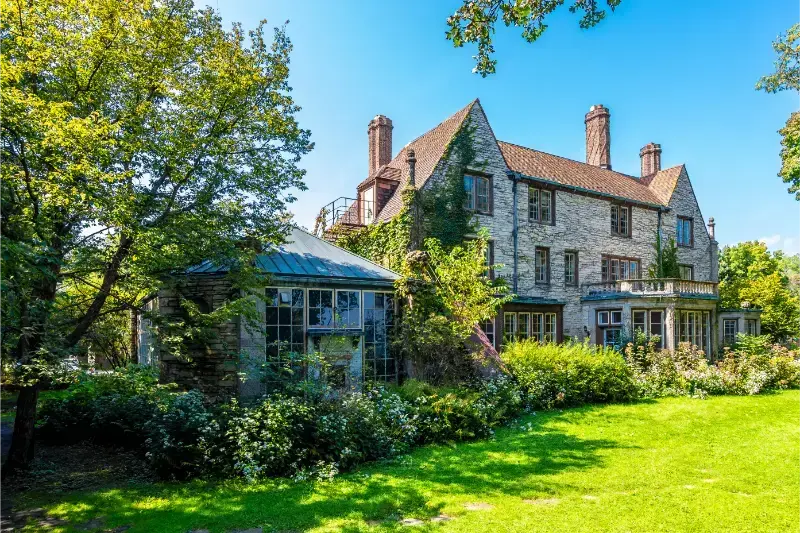
The Historic District is the safest recommendation for first-time visitors, but it is not one uniform zone. The riverfront and northern blocks are lively and convenient; the central squares offer classic atmosphere; the southern end near Forsyth feels more residential. Beyond the core, the Victorian and Starland areas appeal to repeat visitors and food-focused travelers, while Tybee Island is a separate beach stay rather than a cheaper version of Savannah.
Quick neighborhood comparison
| North Historic District / Riverfront | Nightlife, river access, City Market and first-time convenience |
| Central Historic District | Best balance of squares, architecture and walkability |
| Forsyth / south Historic District | Quieter evenings, park access and residential atmosphere |
| Victorian / Starland | Restaurants, creative businesses and repeat-visitor feel |
| Tybee Island | Beach-first trips with Savannah as an excursion |
| Midtown / farther out | Value and parking, but less useful for a first car-light visit |
North Historic District and River Street: maximum convenience, more noise
Staying near River Street, Bay Street or City Market places you close to restaurants, tours and evening activity. It is excellent for travelers who want to step directly into the busiest part of Savannah and for short stays where every walking minute matters. The tradeoffs are predictable: weekend noise, higher demand, event crowds and some hotels where valet parking adds materially to the nightly cost.
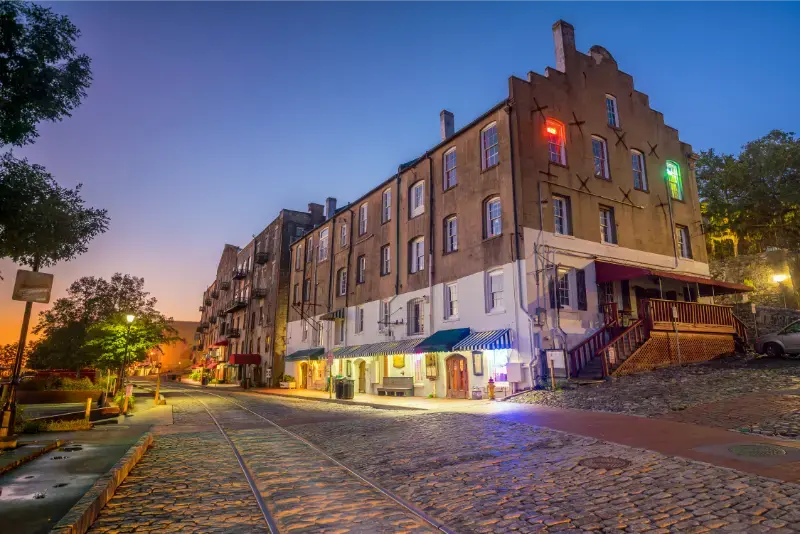
Read reviews for room orientation, not just the property score. A beautiful riverfront hotel can be perfect for one traveler and frustrating for a light sleeper if the room faces nightlife or service areas. If quiet matters, request an interior or higher-floor room and understand that requests are not guarantees.
Central Historic District: best overall for first-time walking
The blocks around the central squares offer the most balanced location for visitors who want architecture, museums and restaurants without being directly on the riverfront. You can walk north for River Street, south toward Forsyth and east or west across much of the historic core. This is the neighborhood category where paying more can genuinely buy back time.
Parking may still be expensive or valet-only at some hotels, so calculate the total stay cost. If your car will remain parked for two days, that is not necessarily a problem—provided the location allows you to stop thinking about the vehicle once you arrive.
Forsyth Park and the southern Historic District: calmer and greener
Travelers who value morning walks, quieter streets and a more residential feel often prefer the southern side. Forsyth Park becomes part of daily life rather than a sightseeing stop, and the walk north through squares is one of Savannah’s pleasures. The tradeoff is extra distance to River Street and some northern attractions, which can matter in extreme heat or for mobility-limited visitors.

Victorian District and Starland: best for repeat visitors and food-focused stays
South of the classic core, the Victorian and Starland areas add restaurants, cafés, bars and local businesses. They can feel more contemporary and less tourist-saturated, which is a strength if you have already experienced the Historic District. First-time visitors with only one or two nights may prefer to remain closer to the squares because transport back and forth can cancel part of the savings.
Tybee Island: choose it only if you want a beach trip
Tybee is not simply “Savannah near the beach.” It is a separate destination with its own parking, traffic patterns and beach rhythm. Stay on Tybee if sunrise walks, beach time and slower coastal days are primary. Stay in Savannah if museums, architecture and evenings in the Historic District are primary, then make Tybee a day trip.
Trying to split every day between Tybee and Savannah produces the worst of both: repeated traffic, parking twice and no relaxed evening in either place. A two-base trip can work beautifully—two or three nights in Savannah followed by one or two on Tybee—if the beach matters enough to justify the hotel change.
Should you bring a car?
You do not need a car for the core Historic District. Savannah’s free DOT shuttle and walkable street plan make a car unnecessary for many first-trip days. A vehicle becomes useful for Bonaventure Cemetery, Tybee Island, Fort Pulaski and the onward drive to the Golden Isles. If you are flying into Savannah and not leaving the city for several days, delaying the rental can save hotel parking costs.
Parking strategy
The City of Savannah lists a Visitor Day Pass at $15 for 24 hours and $24 for 48 hours as of 2026, subject to restrictions, special-event rules and purchase requirements. Hotels may offer valet or garage parking instead. Compare the actual hotel parking price with city options, but do not assume a visitor pass works in every garage, event or restricted zone.
Best areas for families
Families often do well in the central or southern Historic District because walking reduces car-seat transitions and the squares provide frequent visual breaks. A pool can matter in summer, but verify operating seasons and hours. Families planning a full Tybee beach component should consider a second stay on the island rather than commuting back after a hot beach day.
Best areas for couples
Couples looking for atmosphere should prioritize central squares, a historic inn or a quieter Forsyth-area stay. Riverfront works if nightlife and views matter more than silence. The most romantic room is not automatically the most useful room, so compare walking route and parking before choosing on design alone.
Best areas for a road trip
If Savannah is one stage of the Georgia road trip, choose a property that lets you park securely and leave the vehicle untouched until departure. When continuing south to Jekyll or St. Simons, there is no need to move to a hotel on Savannah’s southern fringe just to save a few highway minutes. Keep the city experience strong, then depart after breakfast.

Booking checklist
- Total nightly cost including valet or garage parking.
- Noise exposure if staying near nightlife or River Street.
- Walking distance to the specific sights you care about—not just “Historic District.”
- Elevator access in historic properties if stairs are difficult.
- Pool season and hours for summer family trips.
- Cancellation terms during hurricane season or major event periods.
- Whether breakfast adds value when excellent cafés are already nearby.
Continue planning Georgia
- Savannah Travel Guide
- Best Things to Do in Savannah
- Georgia Coast & Golden Isles Guide
- Best Time to Visit Georgia
- Georgia Travel Guide
Where to stay and how to compare hotels
Affiliate disclosure: we may earn a commission from qualifying bookings at no extra cost to you. Compare Historic District hotels, Forsyth-area hotels and Tybee Island hotels. Do not compare only the headline nightly rate: parking, resort or destination fees, breakfast, location, transit access and cancellation terms can change the real cost of a stay. In Georgia, the best-value hotel is often the one that removes a daily parking problem or an unnecessary cross-city drive.
Useful official resources
Historic inn versus modern hotel
Historic inns can offer architecture and atmosphere that become part of the Savannah experience, while modern hotels often provide elevators, larger pools, standardized rooms and easier parking logistics. Neither is automatically better. Choose based on sleep quality, accessibility, family needs and how much time you will actually spend at the property.
When changing hotels makes sense
Most Savannah trips should avoid hotel changes. The exception is a genuine split trip: two or three nights walking the Historic District followed by two nights on Tybee for beach time. That change creates a new type of day. Moving from the north Historic District to the south Historic District rarely creates enough benefit to justify repacking.
One more planning detail worth knowing
During major event weekends, especially the St. Patrick’s Day period, ordinary neighborhood assumptions can fail because street closures, parking rules and crowds change. Read event-specific city information before booking a nonrefundable room or assuming a garage will be accessible. A hotel that is perfect on a quiet November weekend can function very differently during a citywide celebration.