

Destinations › Pacific USA › Alaska travel guide › Best Time to Visit Alaska: Weather, Wildlife, Daylight & Northern Lights
There is no single best month for Alaska because the trip changes more dramatically by season than most U.S. destinations. Summer offers the broadest access, longest daylight and most tours; late summer introduces darker nights and aurora possibility in the Interior; winter creates a specialized cold-weather trip; shoulder seasons can be beautiful but come with real reductions in services.
Choose the month from your non-negotiable experience, then select destinations that work well in that period. Planning “Alaska first, month second” is how travelers end up expecting Denali bus service in October or northern lights in bright June skies.
Season comparison
| May | Long daylight, increasing access, fewer crowds; some roads/tours still ramping up |
| June | Very long daylight, broad access, strong hiking and wildlife season |
| July | Peak services and demand; warmest broad period but still variable |
| August | Good access, wetter in some regions, nights begin returning later in the month |
| September | Fall color and aurora potential in Interior; rapid seasonal closures |
| October–April | Winter-focused travel, aurora, snow and limited summer-style services |
May: excellent when you understand what is not fully open
Late May can be a smart compromise for Southcentral Alaska and early park travel, with increasing daylight and many summer services beginning. But snow can linger at elevation and some visitor centers, roads or tours do not run on full summer schedules until around Memorial Day.
Use official operating calendars rather than assuming May 1 equals summer. The upside is lower demand and a feeling of transition that can be especially rewarding for repeat visitors.
June: long light and strong first-trip conditions
June is one of the easiest months for a classic Anchorage–Denali–Seward itinerary. Days are extremely long, road access is generally strong and major seasonal transport is operating. The tradeoff is that darkness is scarce, so aurora should not be a trip objective.
Bring an eye mask and protect sleep. Travelers sometimes use the endless daylight to overschedule every evening, then discover that fatigue harms hiking and driving safety.
July: maximum choice, maximum demand
July provides the widest range of tours, cruises, park programs and visitor services. It is also one of the most expensive and competitive periods for lodging, rental cars and limited-capacity excursions. Reserve key pieces early.
Weather is still not guaranteed to be warm or dry. Rain gear and layers belong in July luggage just as they do in shoulder season. Alaska summer is not a promise of T-shirt weather.
August: a bridge between summer and darker nights
Early August still feels like full summer across much of the visitor network. Later in the month, nights return in the Interior and Fairbanks begins its official Aurora Season on August 21. This creates a valuable crossover for travelers who want summer road access plus at least a chance of dark skies.
August can be wetter in some coastal areas, and seasonal businesses may begin reducing hours late in the month. Check the actual closing dates for your route.
September: beautiful but operationally complex
Fall color can arrive quickly in Interior and tundra landscapes, and aurora nights become more practical. At the same time, tours, rail services, campgrounds and visitor centers begin shutting down on specific dates. Denali’s 2026 summer bus season, for example, ends September 17.
A September itinerary should be built from confirmed operating dates, not from a July itinerary with cheaper hotels. The reward is a quieter, more seasonal Alaska with different light and color.
Winter: plan a different trip, not a colder summer trip
Winter Alaska is about aurora, snow, dog mushing, skiing, hot springs and cities such as Fairbanks and Anchorage operating in cold conditions. Many park roads and summer cruises are unavailable. Driving requires winterized vehicles, experience and conservative timing.
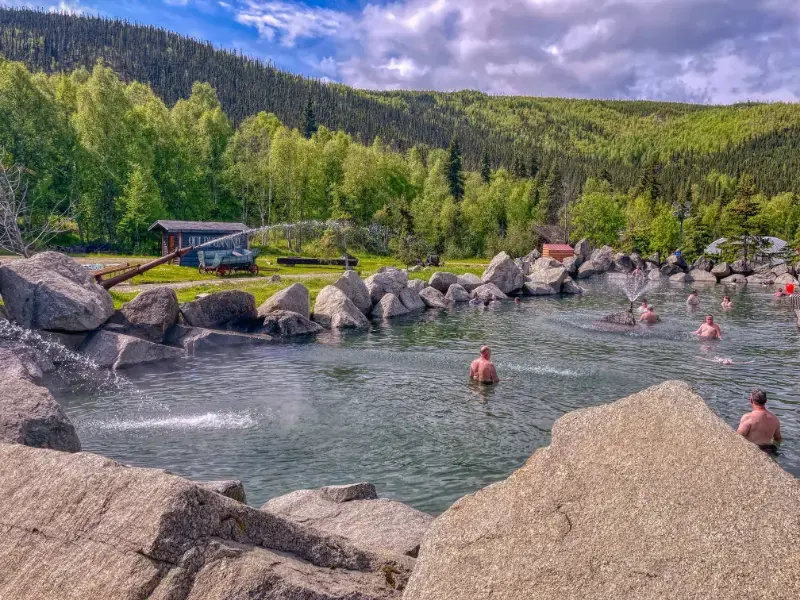
Fairbanks is especially strong because Explore Fairbanks defines Aurora Season from August 21 through April 21. Even then, clouds can block the sky and temperatures can be severe. Build several nights rather than betting the trip on one forecast.
Wildlife varies by region and activity
Marine wildlife viewing around Seward and Juneau is strongest in the warmer visitor season, while bear-viewing destinations have their own salmon and seasonal patterns. Denali wildlife can be seen throughout the summer but is never guaranteed and can depend on distance and conditions.
Choose a region-specific wildlife experience rather than asking for one statewide “best wildlife month.” Alaska is too large and ecologically varied for that shortcut.
Cruise season and road-trip season overlap but are not identical
Inside Passage cruises concentrate in the warmer months, while road-trip access in Southcentral and Interior Alaska depends on snowmelt, park operations and rail schedules. Travelers combining cruise and land should protect transfer days and understand that Juneau is not connected by road to Anchorage.
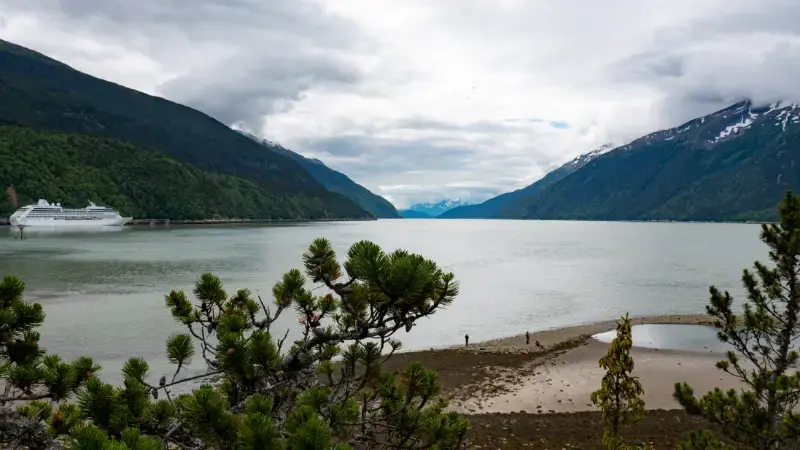
A cruise-plus-Denali itinerary involves a flight, ship transfer or organized connection; it is not a continuous drive.
How to choose your month in one decision
If your priority is the broadest first-trip access, choose June through August. If aurora is essential, choose Fairbanks in the dark season and plan winter-specific activities. If fall color and fewer crowds matter, consider early September with confirmed closures. If lower prices matter most, shoulder season can work, but only after checking every fixed experience.
The best time is the period when your most important activity is realistically available, not the month with the most flattering average temperature chart.
Continue planning Alaska
- Anchorage Travel Guide
- Denali National Park Guide
- Seward Travel Guide
- Fairbanks Travel Guide
- Alaska Travel Guide
Where to stay and how to compare accommodation
Compare available accommodation for your dates, budget and preferred location before you finalize your route.
Affiliate disclosure: we may earn a commission from qualifying bookings at no extra cost to you. Compare Anchorage hotels, Denali-area hotels and Seward hotels. In Alaska, the cheapest headline rate can be poor value if it adds long transfers, forces an extra rental-car day or makes an early boat or park departure stressful. Check cancellation terms, parking, breakfast, luggage policies and the exact location before booking.
Useful official resources
Regional weather matters more than statewide averages
Southeast Alaska, Southcentral coast and Interior Alaska can experience very different weather at the same time. A statewide average temperature hides the rain, wind and daylight patterns that actually shape activities. Check climate and current forecasts for each base rather than packing for “Alaska” as one uniform place.
Think in regional seasons, not one Alaska season
Alaska is too large for a single weather rule. Southeast communities such as Juneau and Ketchikan have a cool maritime climate, while Fairbanks has greater temperature swings and a very different daylight pattern. Coastal Southcentral Alaska can be wet and windy when the Interior is dry. Build the packing list and activity expectations around the specific regions in your route. A statewide average temperature is far less useful than checking local normals and current forecasts for each stop.
Shoulder season is about tradeoffs
May and September can offer lower demand and a different atmosphere, but some tours, roads, visitor services and rail schedules operate only during defined summer windows. September also brings rapidly shortening days and a growing chance of early winter conditions in the Interior. Shoulder season works best for travelers who value quieter destinations and can tolerate reduced schedules. It is not simply “summer for less money.” Verify the exact operating dates of every must-do experience before committing to flights.
Match wildlife goals to biology
Wildlife viewing changes through the season because animals follow food, migration and reproduction cycles. Bears at salmon streams, whales in Southeast waters and migratory birds do not operate on a tourist calendar. Choose destinations based on the species and habitat that interest you, then confirm current guidance from parks and operators. Even in the right season, sightings are never guaranteed. A strong itinerary should still be rewarding through scenery, culture and hiking if wildlife is distant or absent.
Daylight is a trip-planning variable
Summer daylight can expand what is possible in a day, but it can also encourage travelers to drive or hike long after they are mentally tired. Use the extra light for flexibility, not as permission to eliminate rest. In northern locations, blackout curtains or an eye mask may be necessary for sleep. By late August and September, darkness returns quickly enough to change both driving conditions and the possibility of aurora viewing.
Fire, smoke and unusual weather can reshape a season
No seasonal guide can guarantee clear air or normal conditions. Wildfire smoke can affect Interior routes, heavy rain can alter trails and marine weather can cancel boats even in peak summer. Check current park alerts and road conditions close to departure. The most resilient itinerary has at least one flexible day and avoids making every hotel nonrefundable months in advance.