

Destinations › Pacific USA › Alaska travel guide › Alaska Road Trip: A Realistic 14-Day Anchorage–Denali–Fairbanks–Seward Route
A first Alaska road trip should be designed around distances and fixed departures, not around collecting the most famous place names. This 14-day route links Anchorage, Denali, Fairbanks and Seward in a coherent loop/corridor, with enough multi-night stays to absorb weather and avoid changing hotels every evening.
It works best from late May through early September, with exact dates adjusted to Denali buses, Alaska Railroad services and Kenai Fjords tours. You can drive the entire land route or replace selected segments with train travel. Juneau and Glacier Bay are intentionally excluded because they require air or marine connections and deserve a separate Southeast Alaska stage.
- 1Anchorage
- 2Denali National Park
- 3Fairbanks
- 4Return south / travel buffer
- 5Anchorage or Girdwood transition
- 6Seward and Kenai Fjords
- 7Return to Anchorage and depart next day if possible
The route at a glance
| Days 1–2 | Anchorage |
| Days 3–5 | Denali National Park |
| Days 6–7 | Fairbanks |
| Day 8 | Return south / travel buffer |
| Days 9–10 | Anchorage or Girdwood transition |
| Days 11–13 | Seward and Kenai Fjords |
| Day 14 | Return to Anchorage and depart next day if possible |
Day 1: arrive in Anchorage and do less
Collect luggage, check into a centrally practical hotel and keep the day light. Walk downtown, eat well and use a short coastal-trail section only if energy is good. A red-eye arrival is not the time for a mountain hike or 250-mile drive.
This first night is deliberate insurance. Delayed bags, jet lag and rental-car queues are easier to absorb here than at a Denali bus departure the next morning.
Day 2: Anchorage orientation
Spend the morning at the Anchorage Museum, then choose the Alaska Native Heritage Center, Tony Knowles Coastal Trail or a weather-appropriate Chugach outing. Use the evening to buy road snacks, confirm reservations and repack for the northbound segment.
If you plan to use the Denali Star train, the 2026 summer service runs from mid-May to mid-September, connecting Anchorage, Talkeetna, Denali and Fairbanks. Rail should be reserved early on peak dates.
Day 3: Anchorage to Denali
Drivers can break the journey around Talkeetna or other Parks Highway stops. Train travelers get a long scenic day and avoid driving fatigue. Do not schedule a Denali bus for arrival afternoon; use the evening for orientation, visitor-center information and an early dinner.
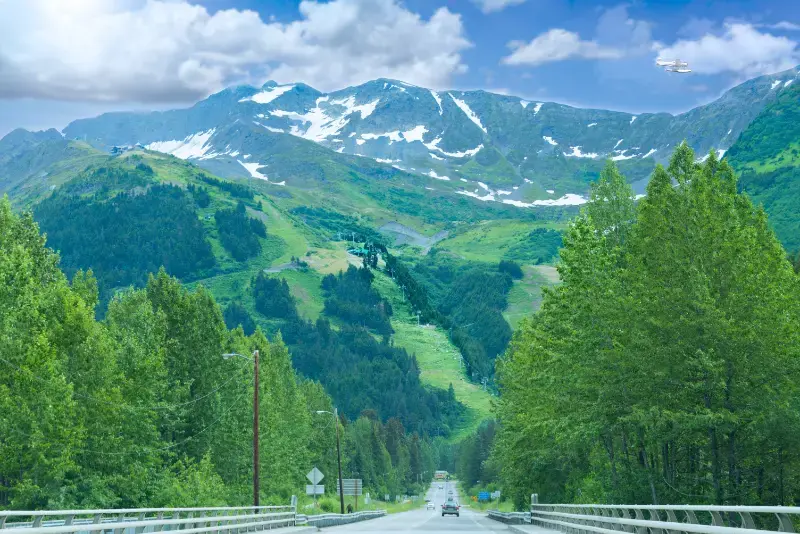
This is where multi-night planning begins to pay off: nothing important depends on perfect weather on the transfer day.
Day 4: Denali bus day
In 2026 transit and tour buses operate only to East Fork at Mile 43 because full west-end bus service is not expected until 2027. The non-narrated East Fork transit is about 4.5 hours round trip. Reserve it in advance and bring layers, food, water and binoculars.
Do not promise the group a summit view or a bear. The day is about tundra, wildlife possibility, river landscapes and understanding the scale of the park.
Day 5: Denali hiking and flexibility
Use established entrance-area trails, a ranger program or another activity based on weather. Serious backcountry travel requires additional preparation and current closure information. The second full day protects the trip from treating Denali as one long bus ride.
If weather was poor on day four, this gives you another chance to see mountain landscapes. If weather was perfect, it becomes a slower day rather than redundant time.
Day 6: Denali to Fairbanks
The drive or train north is manageable without needing a major attraction on arrival. Check in, visit the Morris Thompson Cultural and Visitors Center if timing works, and preserve energy for evening plans.
From August 21 into the darker season, Fairbanks becomes an aurora destination. In midsummer, use the late light for a relaxed walk rather than waiting for darkness that never comes.
Day 7: Fairbanks
Choose the Museum of the North, Chena Hot Springs, a river experience or another Interior activity. Dedicated aurora travelers should keep the next morning light after a late viewing attempt.
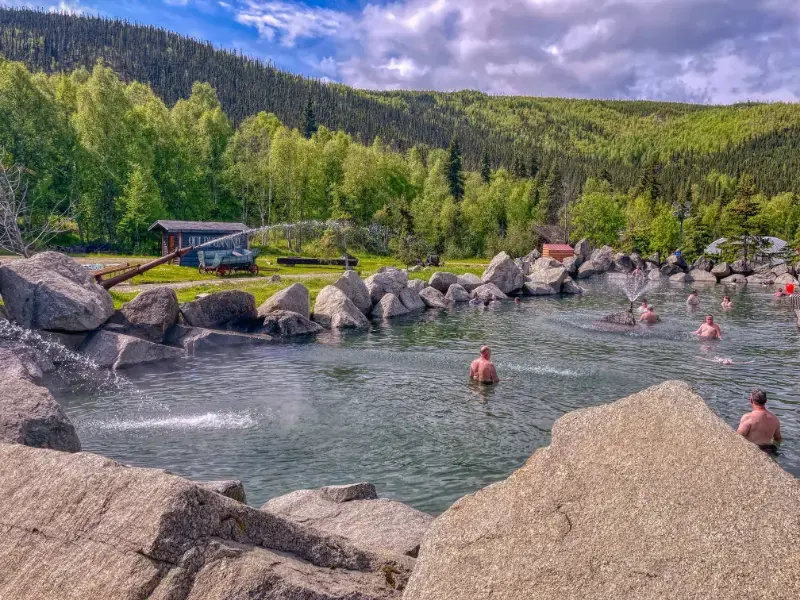
Do not add the Arctic Circle as a casual half-day. The Dalton Highway is a full commitment and may violate standard rental-car agreements.
Day 8: southbound buffer
Use this day to return toward Anchorage, either in one long rail journey or by driving with an overnight stop depending on pace. This buffer looks inefficient on a spreadsheet but prevents the trip from becoming a string of 5 a.m. departures.
If you want Talkeetna, this is where an overnight can fit naturally. If not, returning to Anchorage simplifies the final Kenai segment.
Days 9–10: Anchorage/Girdwood transition
Use one day for laundry, food, a Turnagain Arm drive or Girdwood. This is also the best place to absorb any disruption from the northern half of the route before the Kenai Fjords cruise.
Travelers with only 12 days can compress this stage. Travelers with 14 should keep the breathing room rather than adding another distant park.
Day 11: Anchorage to Seward
Drive the Seward Highway slowly with legal scenic stops, or take the Coastal Classic train. In 2026 the Coastal Classic summer schedule runs May 15 through September 13. Train travelers can enjoy the scenery without watching the road; drivers gain flexibility for Turnagain Arm and Portage.
Arrive, walk the harbor and sleep. Do not stack a full marine cruise onto the same day unless the schedule is explicitly designed that way.
Day 12: Kenai Fjords marine day
Reserve the boat trip as the fixed anchor. Choose route length based on interests and motion-sickness tolerance. Bring layers and binoculars, and remember that wildlife and glacier calving are never guaranteed.
After the cruise, keep the evening simple. A long day on cold water can be more tiring than the mileage suggests.
Day 13: Exit Glacier or Harding Icefield
Go early to the Exit Glacier area because parking can become constrained in the middle of the day. Choose short glacier-viewing walks or the strenuous Harding Icefield Trail according to weather, fitness and timing. There is no cell service in the park area.
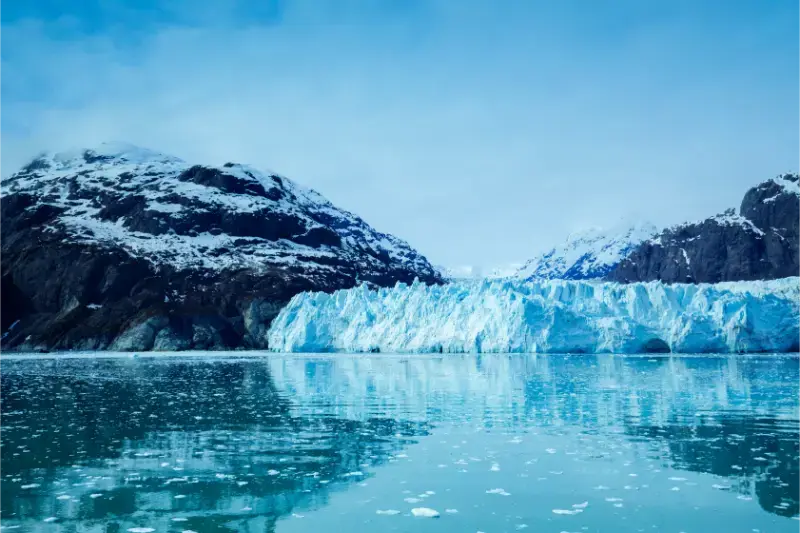
If taking on the Harding trail, do not put a fixed afternoon train departure behind it. You need freedom to turn around safely.
Day 14: return to Anchorage
Return by road or rail and, ideally, sleep in Anchorage before a long-haul flight the next day. A same-day Seward-to-international-flight connection saves one hotel night but exposes the most expensive booking of the trip to road, rail and weather delays.
If you must fly that night, leave a large buffer and understand exactly when the train or transfer reaches the airport area.
Car versus train: the best answer can be both
The Alaska Railroad’s 2026 Denali Star runs May 13 through September 17, while the Coastal Classic operates May 15 through September 13. Rail removes driving stress and adds scenery; a rental car offers flexibility around lodging, trailheads and stops.
A hybrid itinerary can work if one-way rental fees and schedules make sense. Price the entire transport plan before booking hotels because changing modes affects luggage, parking and where you can sleep.
What to reserve first
Reserve scarce Denali bus seats, Seward marine tours, peak park-area lodging and any fixed rail segments before ordinary city hotels. Then add the rental car, flexible Anchorage nights and cancellable backup options.
This order protects the experiences that are hardest to replace. Alaska planning becomes much easier once the route’s fixed points are locked.
Continue planning Alaska
- Anchorage Travel Guide
- Denali National Park Guide
- Fairbanks Travel Guide
- Seward Travel Guide
- Kenai Fjords National Park Guide
- Alaska Travel Guide
Where to stay and how to compare accommodation
Compare available accommodation for your dates, budget and preferred location before you finalize your route.
Affiliate disclosure: we may earn a commission from qualifying bookings at no extra cost to you. Compare Anchorage hotels, Denali hotels and Seward hotels. In Alaska, the cheapest headline rate can be poor value if it adds long transfers, forces an extra rental-car day or makes an early boat or park departure stressful. Check cancellation terms, parking, breakfast, luggage policies and the exact location before booking.
Useful official resources
Build a contingency budget
Alaska changes can be expensive because alternatives may involve extra hotel nights, last-minute transfers or a different tour. Keep a financial buffer as well as a time buffer. Flexible cancellation terms often have more value here than choosing the absolute lowest prepaid rate months in advance.
Why the route avoids too many national parks
A first Alaska road trip becomes weaker when every remote national park is forced into the same two-week window. Katmai, Lake Clark, Glacier Bay and Wrangell–St. Elias each require their own access logic, and adding them can introduce costly flights or long detours. This 14-day route focuses on a connected road-and-rail spine so that more time is spent experiencing places than recovering from transfers. Remote parks are better saved for a second trip unless one of them is the central purpose of the vacation.
Where to add one extra day
If you can extend the route to 15 days, add the extra night where uncertainty is greatest. Denali benefits from weather flexibility, Seward benefits from an extra marine or hiking day, and Anchorage can absorb flight or road disruptions. Do not automatically put the bonus night at the end simply because it is easiest. Look at the most expensive nonrefundable activity in your itinerary and place the buffer where it protects that booking.
A realistic luggage strategy
Rail, shuttles and small-town hotels are easier with compact luggage. Pack layers that can be recombined rather than separate outfits for every day, and use a small daypack for medications, electronics, rain gear and binoculars. If you are switching between car and train, confirm baggage rules before departure. Laundry in Anchorage or Fairbanks can reduce the amount you carry. The objective is not ultralight travel; it is avoiding a suitcase so large that every transfer becomes an obstacle.