San Francisco rewards travelers who treat it as a collection of neighborhoods, viewpoints and waterfronts rather than a checklist of isolated icons. The Golden Gate Bridge and Alcatraz deserve their fame, but the city becomes memorable when you connect them with the Presidio, Chinatown, North Beach, the Mission, Golden Gate Park, the Richmond and Sunset districts, and a few hours simply moving through the hills on foot or by Muni.
This guide focuses on the best things to do in San Francisco for a first or second visit, with enough context to help you choose rather than trying to fit everything into one exhausting schedule. For overall logistics, transport and timing, start with our San Francisco travel guide.
If you have only two or three days, prioritize experiences that are uniquely San Francisco rather than attractions you could find in another large city. A strong first visit usually combines one major icon, one waterfront experience, one neighborhood-focused half day and one green-space or viewpoint block.
First morning: Golden Gate Bridge and the Presidio before moving toward the Marina or waterfront.
Timed attraction: Alcatraz if history interests you; reserve early rather than assuming same-day space.
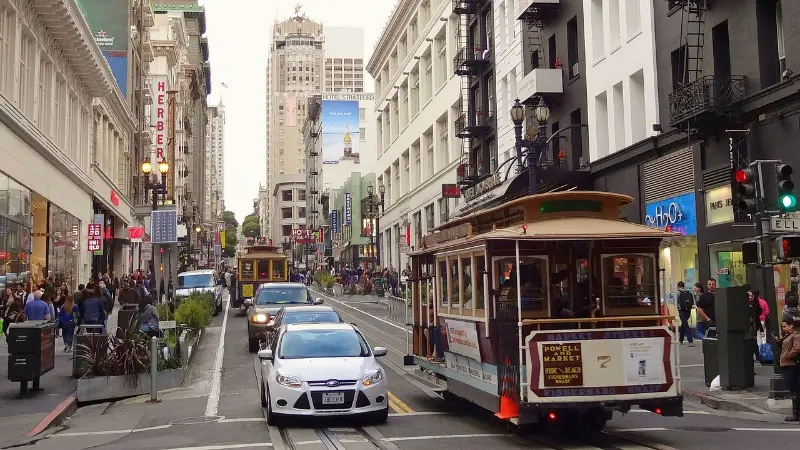
Classic transit: ride a cable car once, but do not spend an hour in line if another boarding point works.
Neighborhood time: Chinatown + North Beach or Mission + Castro.
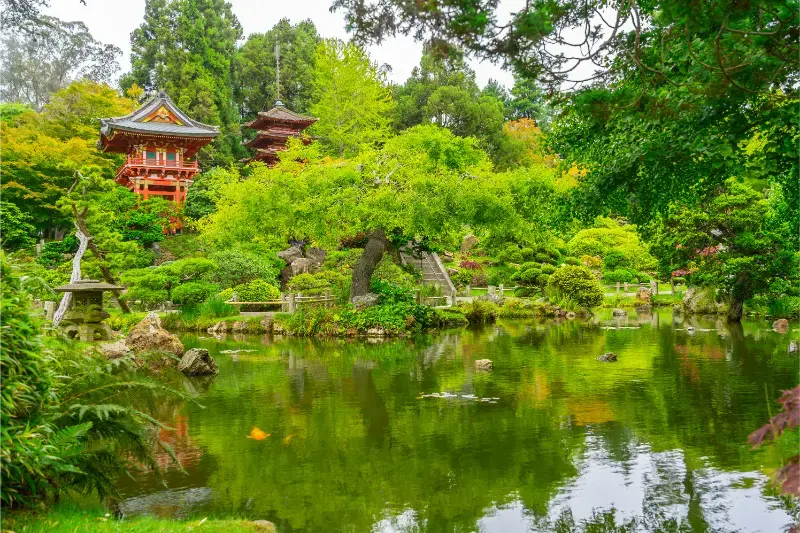
Green San Francisco: Golden Gate Park, Lands End or the Presidio.
Food: choose by neighborhood instead of crossing the city for every famous restaurant.
1. Walk the Golden Gate Bridge—and explore the Presidio around it
The bridge is more satisfying when it is part of a larger landscape rather than a quick photo stop. Begin around the Presidio, Crissy Field or the Golden Gate Overlook, then walk part of the span if the wind and fog cooperate. You do not need to cross the full bridge to appreciate its scale; even a partial walk gives changing views of the bay, Marin Headlands and city skyline.
Find tours, tickets & experiencesCompare activities and bookable experiences that fit this part of your trip.
The Presidio can easily absorb another half day. Tunnel Tops offers open space and family-friendly areas, while trails connect forests, historic military buildings, coastal bluffs and viewpoints. Combining the bridge and Presidio reduces transit time and creates a coherent morning.
San Francisco weather is hyper-local. A bright downtown morning can coexist with fog and strong wind at the bridge. Carry a layer even in summer.
2. Visit Alcatraz for the island, history and bay views
Alcatraz works because the journey is part of the attraction. The ferry gives you a moving panorama of the skyline and bay; the island then adds prison history, military history, gardens, birdlife and unusual views back toward the city. For many first-time visitors, it is worth the cost and the planning effort.
Use the official concessioner and book in advance, especially for weekends and peak periods. Build buffer around the departure time and allow roughly half a day once transport, waiting and the island visit are considered. The National Park Service notes that Alcatraz access is by ferry, so a “walk-up later” approach is risky on busy dates.
3. Ride a cable car without letting the queue consume your day
Cable cars are moving historic infrastructure, not just a tourist prop. They are worth riding once, ideally when the trip also moves you toward another part of your itinerary. Lines are often longest at terminal points; intermediate boarding locations can be more efficient, although a full car may pass without stopping.
For ordinary transit, Muni buses and light rail are usually more practical. As of September 1, 2026, adult single rides can be paid by tapping a chip-enabled debit or credit card on Muni readers, while visitor passes and cable-car products remain available through designated channels. Check SFMTA before travel because payment products continue to evolve.
4. Walk Chinatown and North Beach together
Chinatown and North Beach are close enough to form one of the city’s best walking combinations. In Chinatown, move beyond Grant Avenue into side streets, markets, bakeries, temples and alleys. Then transition into North Beach for cafés, Italian-American history and Beat-era landmarks before climbing toward Coit Tower or descending to the waterfront.
Once you know the stops you want to include, compare accommodation and flights around the same dates so the route stays practical.
Compare stays & flightsCheck accommodation and flight options around the dates and route you are planning.
The route works especially well late morning through evening because food becomes part of the experience. The goal is not to collect ten “must-eat” addresses but to leave room for a bakery stop, dim sum, coffee or dinner without crossing town.
5. Spend an afternoon in the Mission and Castro
The Mission gives San Francisco a different rhythm from the postcard waterfront: murals, taquerias, independent businesses and Dolores Park. The Castro adds LGBTQ+ history, historic architecture and a strong neighborhood identity. Together they make an excellent half day for travelers who want culture and street life rather than another scenic overlook.
A good approach is to explore the Mission on foot, pause at Dolores Park when the weather is clear, then continue toward the Castro. If you are interested in murals, allow more time around Balmy Alley, Clarion Alley and the broader Mission streetscape rather than treating them as a single photo stop.
6. Give Golden Gate Park more than a quick drive-through
Golden Gate Park is large enough to support several different visits. Culture-focused travelers can build a day around the de Young Museum and California Academy of Sciences; families can mix museum time with playgrounds and open space; walkers can continue west toward the gardens, bison paddock and Ocean Beach.
The surrounding Richmond and Sunset districts are useful for food and for seeing a more residential side of the city. This is also a good “foggy day” plan because several indoor attractions sit close together.
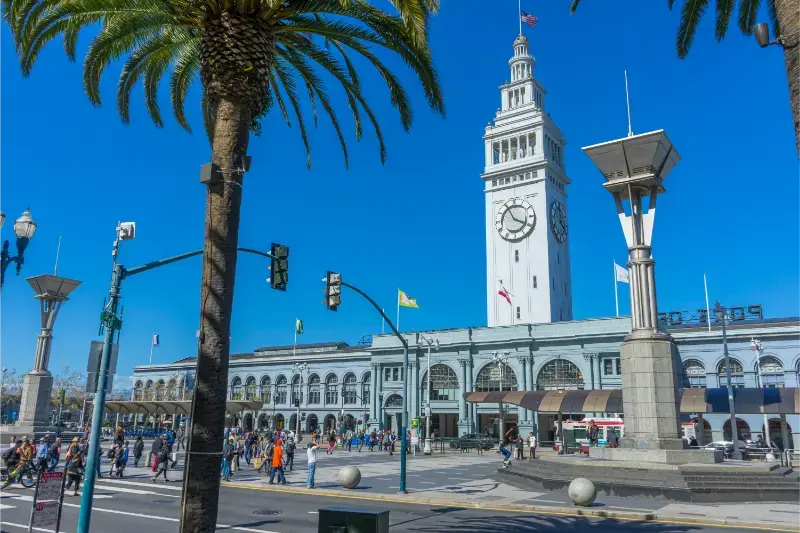
7. Walk the Embarcadero and stop at the Ferry Building
The Embarcadero is one of the easiest flat walks in a city famous for hills. Start around the Ferry Building, browse the food hall or farmers market when operating, and continue north along the waterfront. The route links bay views, piers and public spaces while giving your legs a break from steep inland streets.
It pairs naturally with an Alcatraz day or an evening in North Beach. It is also one of the better areas for travelers with strollers or limited tolerance for hills.
8. Choose viewpoints for different versions of San Francisco
No single viewpoint tells the whole story. Twin Peaks gives a broad city-and-bay perspective on a clear day. Battery Spencer across the bridge delivers the classic bridge-with-city composition but requires additional transport. Lands End gives rugged coast, bridge glimpses and a trail experience. Bernal Heights offers a more neighborhood-scale panorama.
Do not chase every viewpoint. Pick one that fits the geography of the day and be ready for fog. In San Francisco, a viewpoint that disappears into cloud can be part of the atmosphere rather than a failed excursion.
9. Walk Lands End and the Sutro Baths area
Lands End feels unexpectedly wild for a major city. Trails follow cliffs above the Pacific with cypress, ocean views and occasional glimpses of the Golden Gate Bridge. The Sutro Baths ruins add a layer of local history, while nearby Ocean Beach and the Richmond District can extend the outing.
Trail surfaces and stairs vary, so choose the section that matches your mobility and weather. Strong wind and slippery conditions are reasons to shorten the walk, not prove a point.
10. See the Painted Ladies—but keep walking afterward
The Painted Ladies at Alamo Square are one of the city’s most recognizable images, but the stop itself does not require much time. Use the viewpoint as the beginning of a neighborhood walk rather than a destination that consumes half a day. Lower Haight, Hayes Valley and other nearby areas can turn a 20-minute photo stop into a more meaningful afternoon.
11. Choose one major museum that fits your interests
San Francisco has enough museum depth that selecting one is usually better than rushing through several. SFMOMA is the obvious choice for modern and contemporary art; the de Young and Legion of Honor cover different art collections and settings; the Exploratorium is excellent for hands-on science; the California Academy of Sciences combines aquarium, planetarium, natural history and living rainforest experiences.
Museum choice should follow the rest of your route. The Academy and de Young pair with Golden Gate Park, SFMOMA with downtown/SoMa, and the Exploratorium with the Embarcadero.
12. Eat San Francisco through neighborhoods, not a checklist
Sourdough, Dungeness crab, Mission burritos, Chinese-American food and farmers-market produce all belong to the city’s food story, but San Francisco’s real strength is density and diversity. Build meals into the neighborhoods you already plan to visit. Chinatown, the Mission, North Beach, Richmond and Sunset can each support an entire food-focused afternoon.
If one restaurant matters deeply to you, reserve it. For everything else, keep some flexibility. A great neighborhood bakery or casual counter can be more memorable than a famous address reached after an hour in traffic.
13. San Francisco with kids: prioritize movement and variety
Families can combine cable cars, the Exploratorium, California Academy of Sciences, Presidio Tunnel Tops, sea lions at Pier 39 and short waterfront walks. The main planning challenge is not a shortage of attractions; it is hills and fatigue. Use Muni strategically and avoid itineraries that require repeated cross-city transfers.
Young children often enjoy the city more when one paid attraction is balanced with parks, ferries or open space. Alcatraz can work well for school-age children interested in history, but younger children may prefer the Exploratorium or Academy.
14. Free things to do that are genuinely worth your time
Walk the Golden Gate Bridge and Presidio trails.
Explore Chinatown, North Beach, the Mission and other neighborhoods on foot.
Visit Lands End and Sutro Baths.
Relax at Dolores Park or Crissy Field.
See the Painted Ladies from Alamo Square.
Walk the Embarcadero and waterfront piers.
Visit Ocean Beach and watch sunset when conditions are comfortable.
How to fit the best experiences into 3 days
Day
Morning
Afternoon / evening
1
Golden Gate Bridge + Presidio
Marina/Crissy Field, then North Beach or cable car