

Destinations › Southeast USA › Georgia travel guide › Best Things to Do in Savannah: 25 Experiences Beyond River Street
Savannah’s best experiences are spread across a small area, but they are not all the same kind of experience. The city rewards slow walking, architecture, museums, food and layered history. This list includes the obvious landmarks, but it also explains how to use them without turning Savannah into a sequence of 20-minute photo stops.
A first-time visitor with two full days should select perhaps eight to ten of these experiences, not all 25. The strongest itinerary alternates walking with indoor time, gives at least one historic site enough attention and leaves evenings relatively open.
1. Walk a chain of historic squares
Savannah’s 23 park squares are the organizing principle of the Historic Landmark District. Choose a route through several rather than driving from one famous square to another. Early morning is particularly good for architecture, shade and quieter streets.
2. Spend time in Forsyth Park
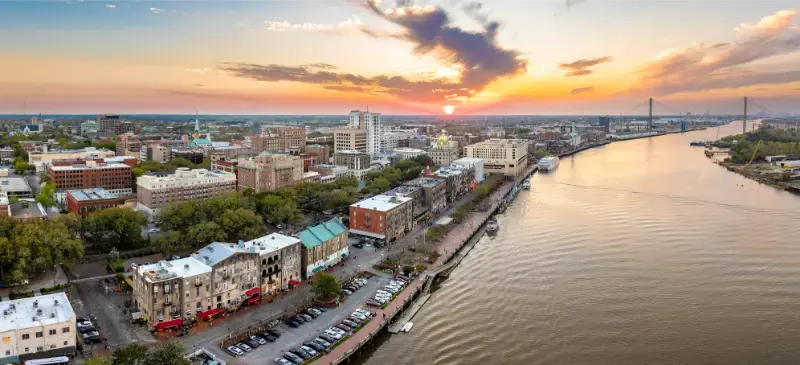
Forsyth Park is more than its fountain. Use the park as the southern anchor of a long walking route through residential streets and smaller squares. On hot days, start here early and work north toward lunch.
3. Walk River Street once—slowly
The riverfront combines commercial energy, port history and views of large ships passing surprisingly close to the city. Uneven surfaces and steep connections to the upper level can make the area harder for some visitors, so choose access points carefully.
4. Explore Factors Walk and the bluff
The levels above River Street help explain Savannah’s commercial history and unusual waterfront urban form. Look at the old warehouses, ramps and bridges rather than treating the riverfront as only shops and restaurants.
5. Visit the Cathedral Basilica of St. John the Baptist
The cathedral is one of the city’s major architectural landmarks. Confirm service schedules and visitor access before entering, dress respectfully and avoid treating active worship as a sightseeing performance.
6. Walk Jones Street and the surrounding residential blocks
Jones Street is often promoted as one of America’s prettiest streets, but the useful advice is to expand beyond a single block. The surrounding streets reveal the scale, materials and tree canopy that make central Savannah rewarding to explore on foot.
7. Choose one historic house museum carefully
Savannah has multiple preserved homes and museum properties. Their interpretation, accessibility and emphasis differ. Pick one that matches your interests—architecture, decorative arts, social history or a particular period—and give it enough time rather than rushing through several similar interiors.
8. Add the Owens-Thomas House & Slave Quarters for deeper context
This site is particularly important because the property includes surviving spaces connected with enslaved people who lived and worked there. Read current tour information and use the visit to broaden the story beyond elite architecture.
9. Visit the Telfair Museums
Savannah’s art institutions provide an excellent midday option when heat or rain makes outdoor walking less appealing. Check which buildings and exhibitions are included in current admission because museum operations can evolve.
10. Explore City Market, then keep going
City Market is lively and convenient, especially in the evening, but it is best as a transition point rather than the destination for an entire afternoon. Continue into surrounding streets or pair it with nearby squares and museums.
11. Spend a quiet hour at Bonaventure Cemetery
Bonaventure’s landscape, live oaks and memorial art deserve more than a fast drive-through. Guided tours can add context, but respectful independent walking also works. It is outside the Historic District, so plan the transfer rather than assuming it sits beside the squares.
12. Learn African American history beyond a single marker
Savannah’s history is inseparable from Black history. Seek museums, churches, tours and interpretive sites that address slavery, emancipation, community life and civil-rights history. A knowledgeable guide can connect places that otherwise look like isolated buildings.
13. Take a food tour—or build your own neighborhood meal plan
Savannah has enough restaurants that a food-focused day can be worthwhile, but reserve the most in-demand places well ahead on busy weekends. A formal tour can provide storytelling and variety; independent travelers can create a slower version with one lunch, one dessert stop and one serious dinner.
14. Experience Savannah after dark

Evening changes the city’s atmosphere. Walk well-lit central streets, enjoy live music or take a history/ghost tour if that interests you. Choose tours that are transparent about entertainment versus documented history; the two are not the same product.
15. Visit the Ships of the Sea Maritime Museum if port history interests you
Savannah’s location and economy are deeply connected with maritime trade. A museum focused on that history can make the riverfront much more understandable afterward. Check current opening days because smaller museums may not keep the same schedule year-round.
16. See the Savannah African Art Museum
Travelers interested in art and cultural context should look beyond the most advertised Historic District museums. Current hours and reservation requirements can vary, so verify directly before crossing town.
17. Ride the free DOT shuttle when walking stops being fun
Savannah’s DOT shuttle can save energy and reduce unnecessary car use in the downtown area. Use it as a practical tool between zones, not as a substitute for seeing the streets that make the city special.
18. Take the ferry across the Savannah River for perspective
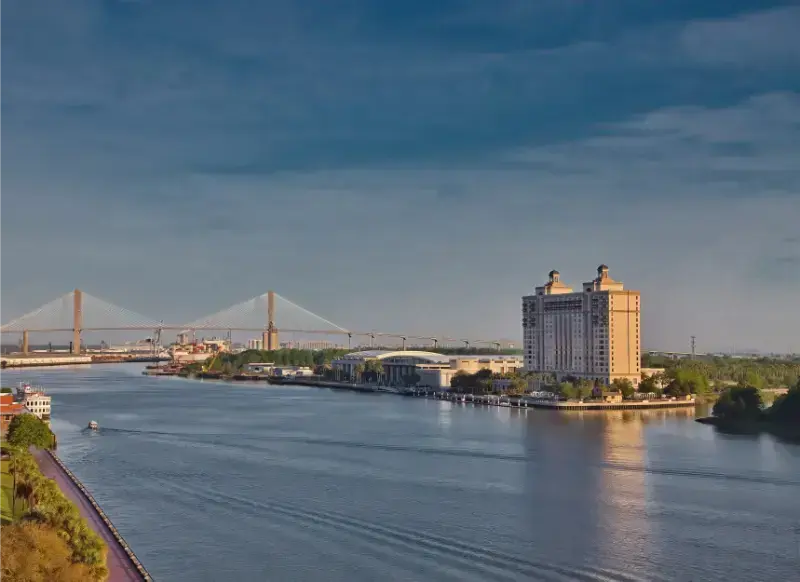
River ferries can provide a different view of the skyline and port traffic. Schedules and stops should be checked on the day of travel, especially around events or river conditions.
19. Visit Fort Pulaski National Monument
Between Savannah and Tybee Island, Fort Pulaski offers military history, fort architecture and outdoor space. It fits well on a third day or as part of a Tybee excursion. Check National Park Service hours, fees and any temporary access restrictions before leaving the city.
20. Spend a beach half-day on Tybee Island
Tybee is Savannah’s beach escape, but summer and weekend traffic can turn a casual outing into a longer commitment. Go early, understand parking rules and decide whether the beach is a small addition or a major part of the trip.
21. Photograph sunrise or early-morning streets
Savannah’s light and quiet are often best before breakfast. This is also the most comfortable time for longer walks in warm months. You do not need a professional camera; the point is experiencing the city before crowds and heat build.
22. Explore the Starland District
Starland adds contemporary restaurants, shops and creative businesses beyond the postcard Historic District. It is a good choice for repeat visitors or anyone with three days who wants to see how Savannah functions as a present-day city.
23. Visit a local bookshop or independent store
Savannah’s walkability makes small shops easy to integrate without building a shopping itinerary. Independent businesses provide a better sense of the city than buying the same souvenir found in every tourist district.
24. Watch the weather instead of fighting it
Summer thunderstorms and heat are part of trip planning. Keep one museum, café or hotel-break option in reserve. Adjusting the schedule is not “losing time”; it often saves the evening from exhaustion.
25. Sit in a square and do nothing for twenty minutes
This is the least marketable and most Savannah-like recommendation on the list. Choose a shaded bench, listen to the city and let the street plan make sense. A place built around public squares deserves some unscheduled public-space time.
How to build a two-day plan from this list
Day one should emphasize orientation: a square walk, one important historic site, riverfront and an evening in the northern Historic District. Day two can move south toward Forsyth, include another museum or Bonaventure, then finish with Starland or a food-focused evening. Fort Pulaski and Tybee are better on a third day unless the beach is one of your highest priorities.
Continue planning Georgia
- Savannah Travel Guide
- Where to Stay in Savannah
- Georgia Coast & Golden Isles Guide
- Georgia Road Trip Itinerary
- Georgia Travel Guide
Where to stay and how to compare hotels
Compare available accommodation for your dates, budget and preferred location before you finalize your route.
Affiliate disclosure: we may earn a commission from qualifying bookings at no extra cost to you. Compare Historic District hotels, hotels near Forsyth Park and Tybee Island stays. Do not compare only the headline nightly rate: parking, resort or destination fees, breakfast, location, transit access and cancellation terms can change the real cost of a stay. In Georgia, the best-value hotel is often the one that removes a daily parking problem or an unnecessary cross-city drive.
Useful official resources
How to choose a tour
Savannah has architecture tours, Black-history tours, food tours, trolley tours and ghost tours. Choose the format by what you want to learn, not by which vehicle looks most convenient. Walking tours provide street-level context; trolleys help with orientation and heat; specialized history tours can go deeper; entertainment tours are best enjoyed as entertainment.
Best free experiences
Walking the squares, Forsyth Park, residential streets and much of the riverfront costs nothing. That makes Savannah a city where you can spend selectively on one or two excellent museums rather than buying admission everywhere. A free day is not an inferior day if the walking route is well planned.
One more planning detail worth knowing
If you travel with children, select fewer interiors and more movement. Squares, Forsyth Park, river views, a ferry ride and one age-appropriate museum can work better than historic-house overload. Savannah’s compactness helps families only when adults resist the temptation to schedule every interesting doorway. Shade breaks and cold drinks are part of the plan in warm weather.