

Chicago Museums Guide: Art Institute, Field Museum, Shedd, Science & Culture. Chicago’s museum scene is large enough to ruin a trip if you treat it as a checklist. The right strategy is to group institutions geographically, choose the collections that genuinely match your interests and leave enough time for the city outside the galleries. This guide organizes the major museums by area and helps you decide which combinations are realistic.
Why this belongs in an Illinois trip
Chicago museums are not just rainy-day backups. The Art Institute, Museum Campus and Hyde Park institutions are major reasons to visit the city, and they explain art, science, natural history, Black history, local history and the urban story from different angles. Because several of the largest museums can absorb half a day, planning them well has a disproportionate impact on the quality of the trip.
Quick planning facts
- Museum Campus places the Field Museum, Shedd Aquarium and Adler Planetarium in one lakefront area.
- The Art Institute of Chicago sits beside Millennium Park, making it easy to combine with the Loop.
- The Griffin Museum of Science and Industry is in Hyde Park rather than downtown and deserves its own travel-time allowance.
- Choose Chicago also highlights DuSable Black History Museum, Chicago History Museum, Museum of Contemporary Art and newer cultural institutions.
- Timed admission, special exhibitions and city passes can change the best booking strategy; check official ticket pages before arrival.
Art Institute of Chicago
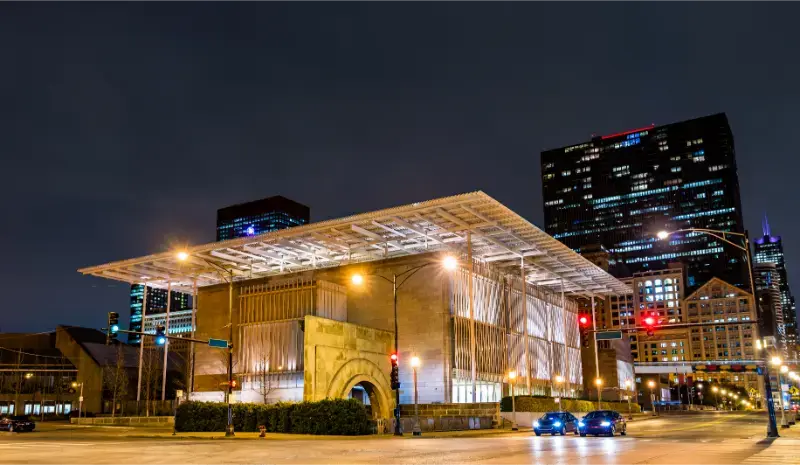
The Art Institute is the easiest major museum to integrate into a first Chicago itinerary because it sits directly beside Millennium Park. Give it at least two to three hours if you want more than a highlights sprint. The collection is broad, so choose a few priorities—Impressionism, American art, modern works, architecture and design—rather than wandering until museum fatigue decides the schedule.
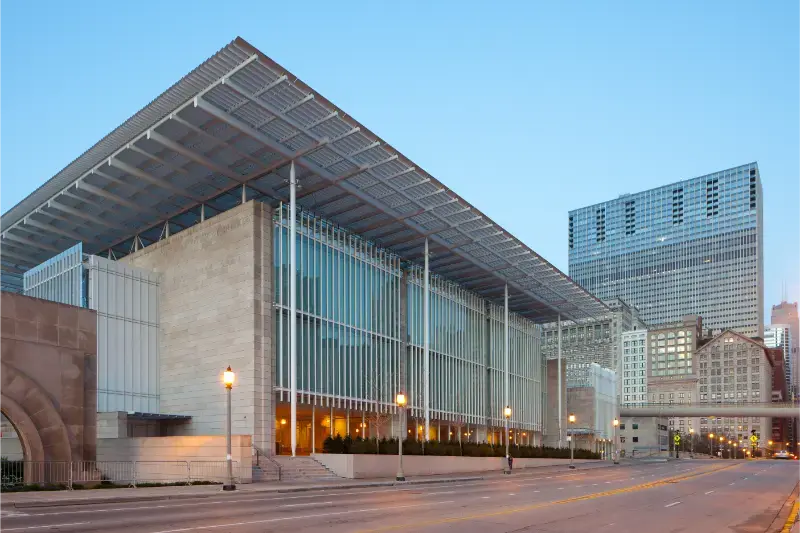
Pair the museum with Millennium Park, the Cultural Center and a Loop walk. This keeps the day geographically compact and gives your eyes a break between indoor galleries and outdoor city spaces.
Museum Campus: Field, Shedd and Adler
The Field Museum, Shedd Aquarium and Adler Planetarium share the lakefront Museum Campus, but that does not make all three a sensible one-day target. Each can be a major visit. Families often pair one headline institution with a lakefront walk, while adults may choose two only if they are comfortable moving quickly.
The Field is strongest for natural history and large-scale collections; Shedd is built around aquatic life and animal experiences; Adler focuses on astronomy and space. Your choice should come from interests, not from the belief that proximity means you must “complete” the campus.
Griffin Museum of Science and Industry and Hyde Park
The Griffin Museum of Science and Industry is south of downtown in Hyde Park and works best as a dedicated half-day. Its scale and interactive exhibits make it particularly strong for families, but adults interested in engineering, transportation and science can also spend hours inside.
Because of the location, combine it with Hyde Park rather than returning downtown immediately. Robie House, the University of Chicago, parks and South Side cultural sites can turn the museum into a fuller neighborhood day.
DuSable Black History Museum and Chicago History Museum
DuSable Black History Museum adds national and local Black history in Washington Park, while the Chicago History Museum in Lincoln Park helps explain the city itself. These museums are useful when you want context beyond famous art and science collections.
Pair DuSable with other South Side stops; pair Chicago History Museum with Lincoln Park, Old Town or the lakefront. That geographic logic is more efficient than choosing museums by rank and crisscrossing the city.
Museum of Contemporary Art and smaller choices
The Museum of Contemporary Art near the Magnificent Mile is easier to combine with Streeterville and downtown shopping. Smaller institutions such as the American Writers Museum, architecture exhibits and specialized collections can be better choices for travelers who have already seen the major museums or want a shorter indoor visit.
Do not underestimate free cultural spaces. The Chicago Cultural Center is centrally located and often provides exhibitions, architectural interest and a useful break without the time commitment of a large museum.
How to build a museum day
A strong one-day plan might pair the Art Institute with Millennium Park and the Loop, or one Museum Campus institution with the lakefront. A two-day museum plan can add Hyde Park without turning both days into nonstop indoor visits.
Families should schedule food and outdoor breaks before everyone reaches the point of exhaustion. Adults should do the same. Museum fatigue is real, and a beautiful Chicago afternoon on the lakefront is not a failure just because you skipped a third ticketed institution.
Where to stay
Compare available accommodation for your dates, budget and preferred location before you finalize your route.
The Loop is particularly convenient for the Art Institute and central transit; South Loop works well for Museum Campus; River North/Streeterville is useful for downtown attractions and the Museum of Contemporary Art. Choose the base that matches the museums you care about rather than trying to be equally close to everything.
Compare current availability and choose a base that fits the route rather than adding unnecessary driving.
Search Chicago hotels near the museumsCity passes, museum combinations and guided Chicago experiences can be useful when they match your actual itinerary. Compare included attractions, reservation requirements and validity periods before buying.
How to fit this into a wider Illinois itinerary
Museum days pair naturally with the Chicago architecture and neighborhood guides. A first visit can combine one museum-heavy day with one architecture/lakefront day and one neighborhood day, which gives the trip better rhythm than three consecutive days indoors.
If Chicago is the beginning of a statewide road trip, keep the museum program focused. Save the following morning for picking up the rental car and leaving the city rather than booking a late museum slot that delays the drive to Galena, Starved Rock or Springfield.
Practical planning advice
Buy timed tickets only after you know how long it takes to move between neighborhoods. Chicago traffic and large museum campuses can make two attractions that look close on a map feel far apart. The CTA is usually more predictable than driving and parking for central museums.
Check bag policies, special-exhibition tickets and holiday hours directly with each institution. Major museums update galleries and schedules regularly, and a famous exhibit may require separate admission or be temporarily unavailable.
Official sources and useful planning links
Frequently asked questions
Can I do Field, Shedd and Adler in one day?
You can physically enter all three, but most travelers will enjoy the day more by choosing one or two and leaving time for Museum Campus and the lakefront.
Which Chicago museum is best for a first visit?
The Art Institute is the easiest to combine with central sightseeing. Families may prefer the Field Museum, Shedd Aquarium or Griffin Museum of Science and Industry depending on interests.
Are Chicago city passes worth it?
They can be when the included attractions match places you already planned to visit. Compare reservation rules and your real pace before buying.
What is the best area to stay for museums?
The Loop and South Loop are convenient for the Art Institute and Museum Campus, while Hyde Park is a separate neighborhood trip rather than a central base for most first-time visitors.
Museum pacing for adults and families
Large museums are cognitively tiring. Decide what would make the ticket feel worthwhile, see those galleries first and then explore opportunistically. This is especially useful with children, where one high-interest gallery plus a lakefront break often works better than trying to enforce a complete floor-by-floor visit.
Food breaks matter too. Museum cafés are convenient but can be crowded at peak lunch. Eating earlier or later, or pairing the museum with a nearby neighborhood meal, keeps the day from becoming a queue followed by another queue.
Tickets, passes and reservation strategy
Chicago attraction passes can be useful, but only when the included museums match the places you already want to visit. Start by writing down your actual priorities and current admission prices, then compare that total with the pass rather than letting the pass dictate the itinerary. Also check whether a pass still requires timed reservations, because a bundled ticket does not automatically guarantee the exact entry time you want.
Special exhibitions can require separate tickets even when general admission is covered. Families should also compare age-based pricing and free-admission rules before buying a package. If you are visiting during a holiday weekend or a major school break, secure the one museum that would be hardest to replace and leave the second day more flexible.
Pair museums with the neighborhood around them
The best museum itinerary does not end at the exit doors. After the Art Institute, walk Millennium Park and the Loop. After Museum Campus, stay on the lakefront or continue into the South Loop. After the Griffin Museum of Science and Industry, use Hyde Park for a meal, campus walk or architecture stop. After the Chicago History Museum, explore Lincoln Park or Old Town. These pairings reduce transit and make each museum feel part of the city rather than an isolated box.
Weather can determine the order. On a beautiful morning, use the lakefront first and enter a museum later; on a stormy day, reverse the plan. Chicago’s strongest trips use museums as anchors without treating every open hour as indoor time.
Plan with these Illinois guides
- Chicago travel guide
- Best things to do in Chicago
- Where to stay in Chicago
- Chicago with kids
More Illinois travel guides
-
Chicago Architecture Guide: River Cruises, Skyscrapers, Frank Lloyd Wright & Walking Tours
Explore Chicago architecture with river cruises, Loop landmarks, Frank Lloyd Wright sites, walking tours and a practical one-day or two-day plan.
-
Best Day Trips from Chicago: Parks, Small Towns, Architecture & Lake Michigan
Best Day Trips from Chicago: Parks, Small Towns, Architecture & Lake Michigan. Practical planning, highlights, timing, where to stay and tips for building a better Illinois trip.
-
Route 66 Illinois Road Trip: Chicago to the Mississippi with the Best Stops and Practical Tips
A practical Illinois Route 66 guide for travelers who want the Mother Road experience without turning every roadside marker into a mandatory stop.
-
Best Things to Do in Chicago: 25 Essential Experiences for a First Visit
A priority-ranked Chicago sightseeing guide that helps first-time visitors choose what is genuinely worth their time and how to group attractions efficiently.
-
Best Things to Do in Chicago: Architecture, Museums, Lakefront & Neighborhoods
Best Things to Do in Chicago: Architecture, Museums, Lakefront & Neighborhoods. Practical planning, highlights, timing, where to stay and tips for building a better Illinois trip.
-
Where to Stay in Illinois: Best Bases for Chicago, Route 66, Starved Rock and Southern Illinois
A base-by-base Illinois lodging guide that focuses on drive efficiency, parking, evening atmosphere and which destinations actually justify changing hotels.