

Joshua Tree National Park is compact enough for a day trip yet layered enough to reward two nights. Two desert ecosystems meet here: the Mojave, where the namesake Joshua trees dominate higher elevations, and the lower Colorado Desert, where cholla cactus gardens and warmer landscapes create a different character. The park is accessible, but heat, limited services and weekend congestion still require planning.
In 2026, no advance reservation is required to enter Joshua Tree National Park. You need an entrance pass, and reservations are required for most campgrounds; Keys Ranch tours also require reservations. That makes spontaneous day visits possible, but not necessarily wise on busy spring weekends when parking and camping fill quickly.
In this guide
- Joshua Tree at a glance
- Best time
- Reservations & entrances
- Top sights
- Best hikes
- How many days
- Where to stay
- 1–2 day itinerary
- Stargazing
- Summer safety
- Road-trip combinations
- Mistakes
Joshua Tree at a glance
| Question | Practical answer |
|---|---|
| Entry reservation | Not required in 2026; entrance pass required |
| Camping | Reservations required for most campgrounds; some first-come, first-served |
| Best time | Fall through spring; spring weekends can be very busy |
| How many days | 1 full day for highlights; 2 days/2 nights for hiking and stars |
| Services | Very limited inside the park; bring water, food and fuel strategy |
| Best gateway towns | Joshua Tree, Twentynine Palms, Yucca Valley; Palm Springs farther away |
Best time to visit Joshua Tree
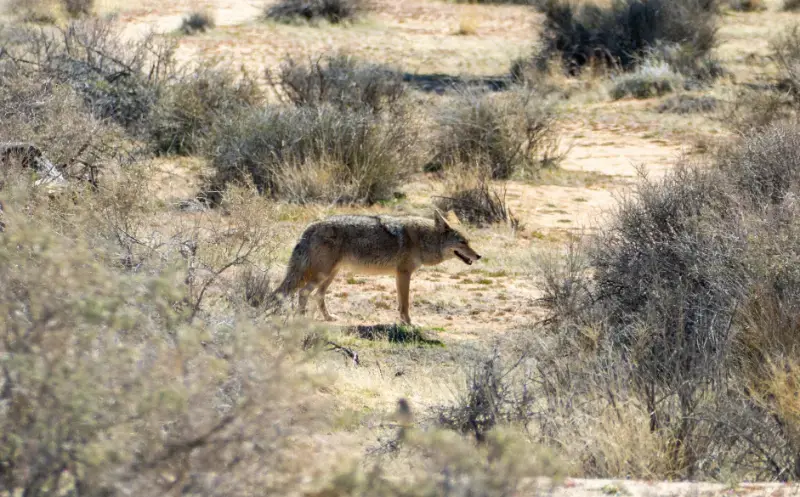
October through April is the main hiking season. Winter days can be cool and nights cold, especially at higher elevations. Spring brings pleasant temperatures and occasional wildflowers but also some of the year’s heaviest demand. Fall can be excellent once summer heat breaks.
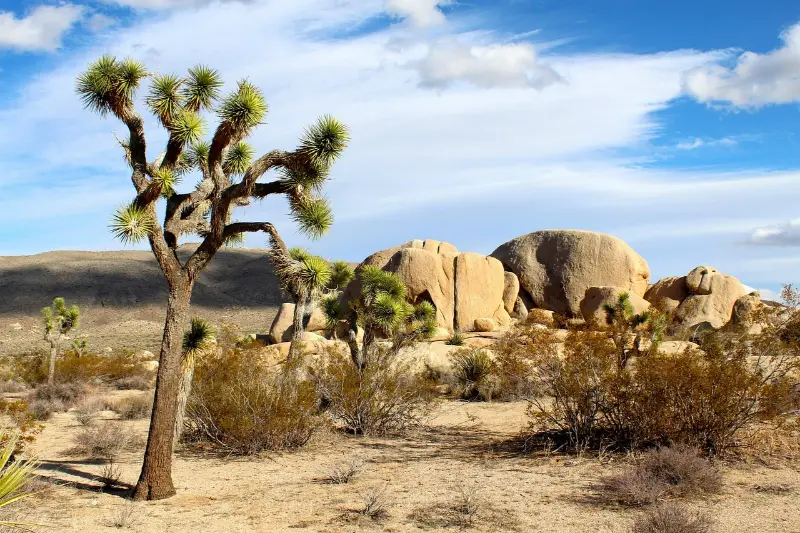
Summer is not the season for an aggressive hiking itinerary. Temperatures at lower elevations can be extreme, and shade is limited. If visiting in summer, keep activity short and early, carry abundant water and use the car for scenic stops rather than long midday walks.
Reservations, passes and the three main entrances
The NPS states that advance reservations are not needed simply to enter the park. Most campgrounds, however, require reservations, and Keys Ranch tours are reservation-based. On popular weekends, campground demand can exceed supply long before arrival.
- West Entrance: popular from Joshua Tree/Yucca Valley; can develop queues at peak times.
- North Entrance: near Twentynine Palms and often useful for avoiding the busiest west-entry pattern.
- South Entrance: connects to I-10 and the lower Colorado Desert; ideal for through-routes toward Palm Springs or Arizona.
A smart road-trip tactic is to enter through one gate and exit through another, turning the park into a scenic through-drive instead of backtracking.
Essential sights for a first visit
Hidden Valley
Hidden Valley offers one of the best introductions to the park’s rock formations and Joshua-tree landscape. The loop is short enough for many visitors yet visually varied enough to feel like a real hike. It is popular, so early arrival improves parking and atmosphere.
Keys View
Keys View provides a broad panorama over the Coachella Valley and surrounding mountains. Visibility varies with haze and wind. Sunset is popular, but darkness afterward means careful driving on park roads.
Barker Dam
The Barker Dam loop combines desert vegetation, boulders and human history. Water levels vary dramatically and should not be the sole reason to visit. It works well as a second short walk after Hidden Valley.
Skull Rock and Jumbo Rocks
Skull Rock is directly accessible from the main park road and can be crowded, but the broader Jumbo Rocks landscape is more interesting than the single formation. Explore established trails and avoid climbing where your ability or conditions make descent uncertain.
Cholla Cactus Garden
The Cholla Cactus Garden lies in the lower Colorado Desert and shows how dramatically the park changes with elevation. Stay on the path and give the plants space; cholla segments detach easily and are painful to remove.
Best hikes for a first trip
- Hidden Valley: short, scenic and ideal for first-time visitors.
- Barker Dam: easy-to-moderate loop with cultural and natural features.
- Ryan Mountain: strenuous climb with broad views; avoid heat.
- Fortynine Palms Oasis: more demanding desert hike with no shade; seasonal heat matters.
- Arch Rock / Heart Rock area: popular formations; follow current trailhead access and parking guidance.
Desert hiking is deceptive because dry air can hide how quickly you are losing water. Carry more than you think you need, turn around before fatigue becomes a problem and do not rely on shade that may not exist.
How many days do you need?
- Half day: scenic drive + one short walk if passing through.
- 1 full day: Hidden Valley, Barker Dam, Keys View, Skull Rock/Jumbo Rocks and Cholla Garden.
- 2 days: add a longer hike, slower photography and stargazing.
- 3 days: useful if climbing, exploring gateway towns or combining with Palm Springs.
Where to stay
Compare available accommodation for your dates, budget and preferred location before you finalize your route.
Joshua Tree village gives easy west-side access and a creative desert-town atmosphere. Twentynine Palms is practical for the North Entrance and often reduces backtracking. Yucca Valley has more everyday services. Palm Springs offers a much larger hotel and restaurant scene but sits farther from the core park sights.
Inside the park, camping gives you exceptional dawn, dusk and night-sky access. Reservations are required at most campgrounds, especially in busy seasons. Services are basic: arrive with water, food and fuel planning already handled.
Compare accommodation: compare hotels and other stays on Booking.com.
A smart one-day itinerary
- Enter early through West or North Entrance.
- Hidden Valley loop.
- Barker Dam or Keys View depending on interests and weather.
- Skull Rock / Jumbo Rocks.
- Cholla Cactus Garden.
- Exit south toward I-10 or return for sunset/stargazing if staying nearby.
With two days, move a longer hike to the cool morning of Day 2 and use Day 1 for classic stops. This protects your energy and gives you a second sunset/night-sky opportunity.
Stargazing
Joshua Tree is famous for dark skies, but the darkest experience is not necessarily near the busiest west-side parking areas. Choose an established, legal place to stop, use red light where possible and preserve night vision. Never stop in the roadway just because the stars look good.
Moon phase matters. A bright full moon can be beautiful on desert rocks but reduces the number of visible stars. Decide whether your priority is landscape-by-moonlight or deep-sky viewing.
Summer safety
Summer heat can make otherwise easy trails dangerous. Hike near dawn, shorten distances, avoid exposed midday activity and carry emergency water in the vehicle. The park has limited cell coverage and limited water availability, so self-reliance matters.
Best road-trip combinations
Joshua Tree pairs naturally with Palm Springs and Los Angeles. It can also form the first or last desert stop on a route toward Arizona. Death Valley is farther away than many visitors assume; combining both parks works best as a multi-day desert itinerary rather than a single rushed day.
For a Southern California trip, connect this guide with Los Angeles, San Diego and Death Valley.
Common mistakes
- Arriving with little water because the map makes the park look small.
- Entering the busy West Entrance at peak weekend time without considering North Entrance.
- Planning long summer hikes at midday.
- Assuming cell service will be continuous.
- Touching or stepping too close to cholla cactus.
- Driving after sunset while tired after a full hiking day.
- Booking accommodation in Palm Springs and forgetting to include daily drive time.
Official planning resources
- Joshua Tree National Park – NPS — official park information.
- Permits & reservations — current entry, campground and Keys Ranch rules.
- Current conditions — alerts, closures and weather impacts.
Keep planning California
Use the California travel guide for the wider route and compare desert timing in best time to visit California.
Joshua Tree with kids
The park can be excellent with children because short walks deliver immediate rock formations and Joshua-tree scenery. Hidden Valley, Skull Rock/Jumbo Rocks and shorter nature trails work well. The main risks are heat, cactus spines, scrambling falls and wandering away among similar-looking boulders. Keep children close and choose a turnaround time before everyone is tired.
Rock climbing and scrambling: know the difference
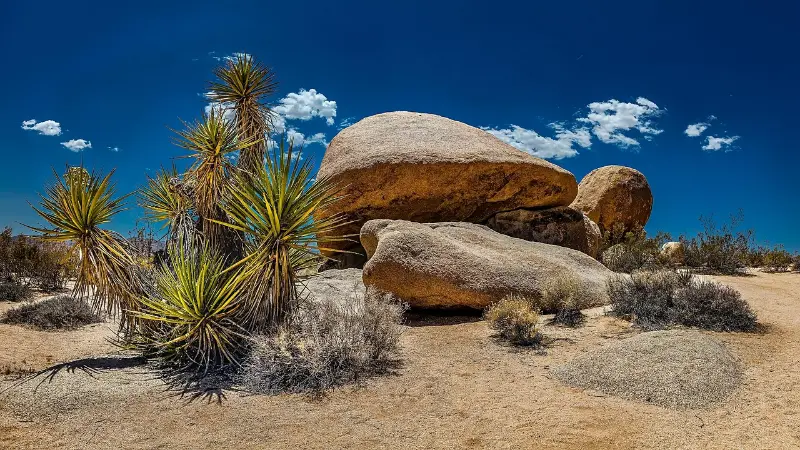
Joshua Tree is a world-famous climbing destination, but casual visitors should not confuse seeing climbers with being prepared to climb. Technical routes require equipment and experience. Even easy-looking boulders can be difficult to descend. Scramble only where you can reverse every move comfortably, and keep away from active climbing routes and gear.
Food, water and fuel before you enter
There are no ordinary restaurants or fuel stations inside the park. Carry all water you need plus emergency reserve, bring food, and fill the tank in a gateway town. A common first-time mistake is entering through the west gate late morning, discovering heavy traffic and then realizing lunch and water are still back in town.
Photography without chasing every icon
Joshua trees photograph differently at sunrise, sunset and under stars, but you do not need a famous named tree. Choose a legal pullout or established trail and look for clean silhouettes, boulder shapes and space. Staying overnight nearby gives you two good-light windows and reduces the pressure to speed between locations.
A two-day itinerary for hikers
- Day 1: Hidden Valley, Barker Dam, Keys View and sunset near your chosen west/central area.
- Day 2: early Ryan Mountain or another longer hike in cool conditions, then Jumbo Rocks, Arch Rock area and Cholla Cactus Garden before exiting south.
In hot weather, replace the strenuous Day 2 hike with a short dawn walk and scenic drive. The desert does not reward sticking rigidly to an itinerary when temperatures are unsafe.
For a comfortable desert base with pools, architecture and the Aerial Tramway, see our Palm Springs travel guide.
Build the wider desert route with our Palm Springs–Joshua Tree–Death Valley itinerary.