

Destinations › Pacific USA › Washington State travel guide › Olympic National Park Guide: Hurricane Ridge, Rainforests, Lakes & Pacific Beaches
Olympic National Park is not one park stop—it is a peninsula-sized collection of ecosystems connected by roads around the mountains. You can stand on an alpine ridge, walk under moss-draped rainforest and watch Pacific surf hit sea stacks on the same trip, but not efficiently from one hotel every night.
Three nights is a practical minimum for a first visit, and four is better if hiking matters. The key planning decision is where to sleep: Port Angeles or the north side for Hurricane Ridge and Lake Crescent, Forks for Hoh/La Push access, and the southwest corridor for Quinault and southern beaches.
Olympic National Park at a glance
| Ideal first stay | 3–4 nights |
| Main regions | Hurricane Ridge, Lake Crescent, rainforests, Pacific coast |
| Best travel style | Clockwise or counterclockwise road-trip loop |
| Car needed? | Yes for most multi-region visits |
| 2026 note | Hurricane Ridge has ongoing utility/parking-area work and limited services |
Do not plan Olympic as a Seattle day trip
A day trip can reach one edge of the peninsula, but it cannot represent the park. Ferry time, traffic and the lack of a road across the Olympic Mountains mean the classic regions are hours apart. A better first trip moves around the perimeter over several days.
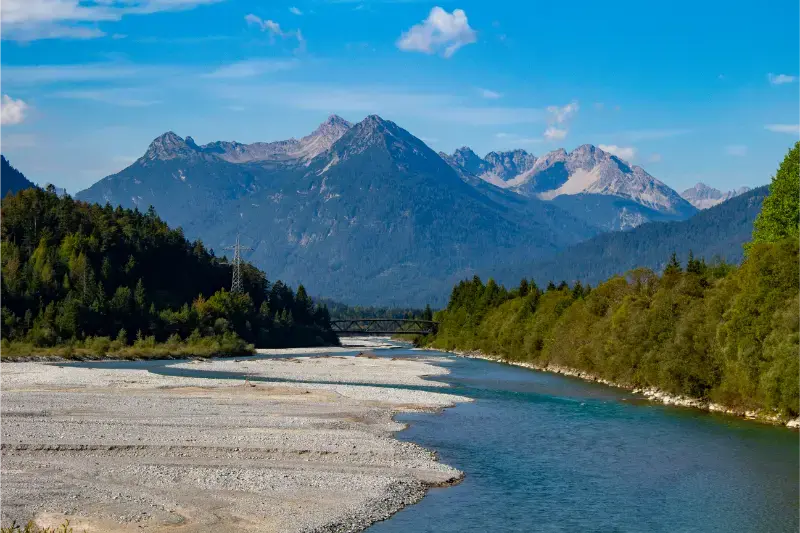
If you only have one day, choose one region—usually Hurricane Ridge/Lake Crescent from Port Angeles—and accept that you are seeing a slice. Trying to add Hoh Rain Forest and a western beach creates more windshield time than experience.
Hurricane Ridge in 2026: beautiful, but bring what you need
Hurricane Ridge provides the easiest high-elevation mountain perspective in the park. In 2026 NPS reports ongoing rehabilitation work in the developed area, with portions of the main parking lot affected during summer and limited services. Potable water may not be available during construction periods.
Check current conditions before driving the ridge road and carry water, layers and food. Even in summer, wind and temperature can feel completely different from Port Angeles below. The area can be worthwhile in cloud, but the broad mountain views depend on visibility.
Lake Crescent: more than a roadside photo
Lake Crescent sits conveniently on Highway 101, which makes it easy to rush. Give it time. Marymere Falls, lakeshore walks, paddling and historic lodge surroundings create a calmer day between alpine and rainforest regions.
This is also a useful place to adjust an itinerary when mountain weather is poor. Forest and lake scenery can work well under cloud, so you do not need to abandon the whole north side if Hurricane Ridge is hidden.
Hoh Rain Forest: arrive early and understand the bottleneck
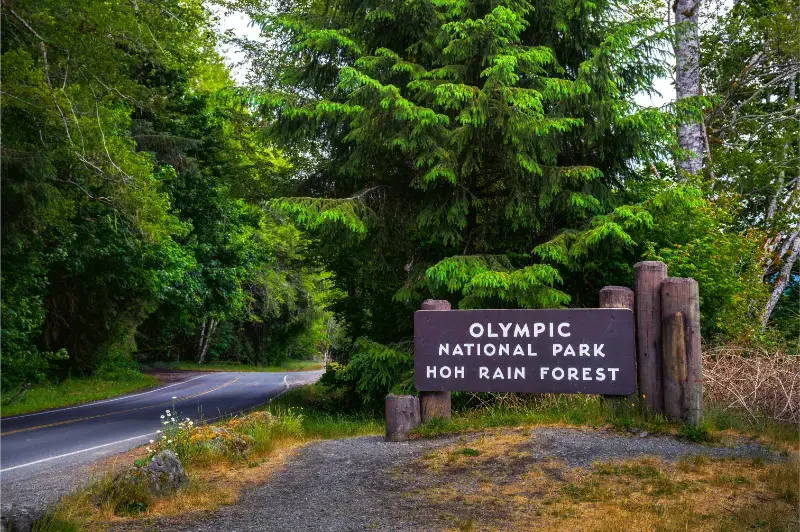
The Hoh is one of the park’s signature temperate rainforest areas. Short trails near the visitor zone make it accessible, while longer routes head into the interior. The challenge in peak season is not trail complexity but access and parking demand.
Arrive early, avoid stacking a timed coastal sunset immediately after a long Hoh visit, and consider other rainforest valleys if the Hoh corridor is overwhelmed. Olympic’s rainforest story is larger than one trailhead.
The coast: plan with tides and cold-water safety
Rialto, Ruby, Kalaloch and other Olympic beaches are rugged rather than resort-like. Sea stacks, driftwood and tide pools create extraordinary scenery, but tide timing changes what is accessible. Cold water, sneaker waves and moving logs are serious hazards.
Check tide tables for routes that require headland or tide-zone passage, and never turn your back on surf. Sunset is beautiful, but your safety plan must include the walk back, changing tide and darkness—not just the photograph.
Forks and the west side as a practical base
Forks is useful because it places you between rainforest and coastal corridors. The town itself is modest, and Twilight tourism remains part of its identity, but the strategic value is geographic: you can reach several park areas without driving back across the peninsula each night.
You can compare Forks-area accommodation on Booking.com or split nights between the north and west sides. In peak summer, limited inventory can make route order depend on lodging availability, so book early if specific dates matter.
Quinault deserves a slower southern exit
Lake Quinault and the surrounding rainforest provide a strong final region before returning toward Seattle or continuing south. The atmosphere is less about one headline trail and more about giant trees, forest roads, lakeshore time and a historic lodge setting.
Using Quinault as a last night reduces the temptation to drive from the far west coast all the way to Seattle after a full hiking day. It creates a safer and more enjoyable transition.
Wildlife and Leave No Trace are practical issues
Olympic supports elk, bears, mountain goats, marine mammals and many smaller species. Wildlife viewing should always happen at distance. Food storage and wilderness rules matter on overnight trips, and beach camping has its own permit and tide considerations.
Crowded trailheads do not remove wilderness hazards. Once you leave developed areas, cell coverage can vanish quickly. Download maps, tell someone your plan and carry the equipment the route requires.
A strong four-day Olympic loop
- Day 1: Seattle/Port Townsend to Port Angeles; Hurricane Ridge if weather is clear.
- Day 2: Lake Crescent and north-side hiking; sleep Port Angeles or westward.
- Day 3: Hoh Rain Forest early, then Rialto/La Push or another west-coast beach.
- Day 4: Ruby/Kalaloch and Lake Quinault before continuing south or back toward Seattle.
- Add a fifth day if you want a major hike, coastal tide-pool session or slower photography schedule.
Official sources
Use the Olympic National Park website for current road, trail, construction and wilderness-permit information. Ferry travelers should also check Washington State Ferries because a missed sailing can shift the entire first day.
A better way to build this Washington trip
Treat Olympic as a sequence of weather windows. Put Hurricane Ridge on the clearest forecast, rainforest on the wettest or cloudiest block, and coast around safe tide timing. That flexibility is one of the rare cases where a less rigid itinerary directly improves what you see.
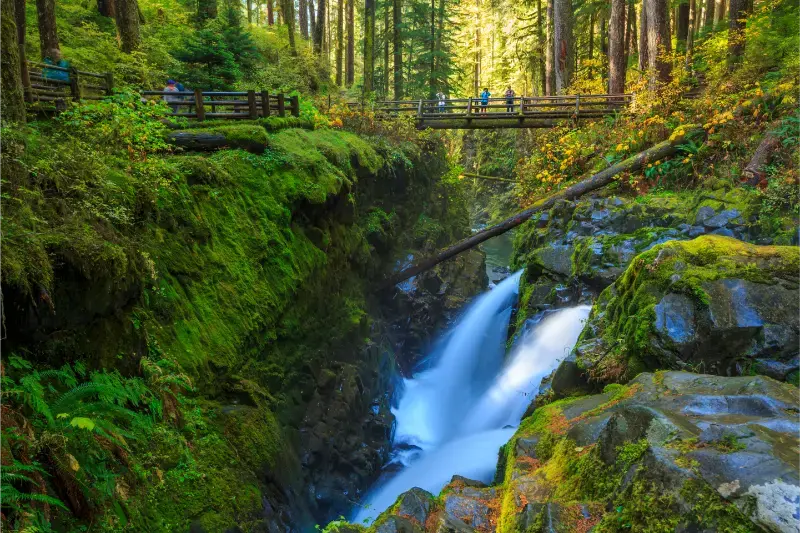
Keep daily driving conservative. Roads around the peninsula are scenic, two-lane and shared with local traffic. Construction, wildlife stops and beach detours make “Google Maps time” a poor target for a vacation day. Two or three meaningful stops are usually enough.
Continue planning Washington State
Start or finish with Seattle, then compare Olympic with Mount Rainier and North Cascades. Our 14-day Washington road trip shows how to combine all three without excessive backtracking.
Build in realistic transition time
Washington itineraries are often underestimated because a map hides ferries, mountain passes, two-lane park roads, trailhead searches and urban traffic. Add a buffer between any two reservations that would be expensive to miss. On a normal sightseeing day, assume that a scenic drive will take longer than the navigation estimate because you will stop, walk, eat and wait for parking. On ferry days, treat the sailing schedule as a fixed anchor and everything after it as flexible. On mountain days, protect daylight and avoid planning a long drive after a strenuous hike. This extra margin is not wasted time: it is what allows a viewpoint, market, trail or meal to last long enough to feel like travel rather than a transfer.
What to reserve first
Reserve the hardest-to-replace part of this trip before ordinary accommodation or meals: limited ferry vehicle space, a permit-dependent overnight, scarce lodging next to a park, or an event weekend that compresses local inventory. Then build the route around that fixed point. Keep routine city nights and restaurant plans more flexible until weather-sensitive pieces are stable. This order reduces the chance that one attractive hotel rate forces an inefficient drive or that a tightly booked day becomes impossible when a ferry, road or trail condition changes. Before the cancellation deadline for each reservation, do one final route audit and confirm that the sequence still makes geographic sense.
Choosing the right Olympic Peninsula route
Olympic National Park is unusually large and fragmented, so your entry and exit route matters almost as much as the attractions you choose. From Seattle, a ferry can make the journey feel more scenic, while the Tacoma Narrows route may be simpler when ferry timing is awkward or you are continuing south after the peninsula. Do not assume that Hurricane Ridge, Hoh Rain Forest and Rialto Beach are neighboring stops just because they share one park name. A two- or three-base itinerary usually works better than returning to the same hotel every night. Port Angeles is useful for the north side, Forks for the west side, and the Lake Quinault or southern corridor for the final part of a loop.
Tides, wilderness permits and weak cell service
Beach planning is different from ordinary sightseeing. Some coastal routes include headlands or passages that may be unsafe or impossible at higher tides, so consult official tide guidance before a long beach walk and never rely only on footprints from earlier visitors. Backcountry camping has separate permit requirements, and wilderness trips need more preparation than a roadside stop. Cell coverage can be unreliable in rainforest, mountain and coastal areas, so save maps and reservation details offline. Keep fuel above a comfortable minimum because services are spaced farther apart than many first-time visitors expect.