

14-Day Pennsylvania Road Trip: Philadelphia, Amish Country, Pittsburgh, PA Wilds & Erie. A two-week Pennsylvania road trip works because the state changes character several times without requiring a flight: colonial streets and major museums in Philadelphia give way to Lancaster County farmland, Civil War history at Gettysburg, Appalachian ridges, industrial cities, Great Lakes shoreline and some of the darkest night skies in the eastern United States. The mistake is treating Pennsylvania as a straight drive between Philadelphia and Pittsburgh. A better route deliberately slows down in the middle and north of the state, where distances, mountain roads and weather make a relaxed pace far more rewarding.

How to use this 14-day route
This itinerary is designed as a broad first trip rather than a race to every famous attraction. It assumes a car after Philadelphia and keeps most travel days short enough to include a meaningful stop. Travelers with only ten or eleven days should remove Erie or Cherry Springs instead of compressing every region into a few hours. If you have more than two weeks, add extra nights in Philadelphia, the Laurel Highlands or the PA Wilds rather than adding another distant state.
The route can be driven in either direction. Starting in Philadelphia is particularly convenient for international arrivals and lets you explore the historic core before collecting a rental car. Ending near Philadelphia also works if you prefer a loop. Pittsburgh can be used as the western airport alternative, but one-way rental fees should be checked before booking.
Days 1–2: Philadelphia
Give Philadelphia two full days. Use the first for Independence National Historical Park, the historic district, Reading Terminal Market and an evening neighborhood walk. Use the second for a major museum or the Benjamin Franklin Parkway, then choose a neighborhood rather than adding more historical sites simply because they are famous. Philadelphia is one of the few parts of this itinerary where a car is more burden than benefit, so collect the rental vehicle only when you are ready to leave the city.

If you have already visited the major historical attractions, use the second day for South Philadelphia, the waterfront, Fairmount Park or a food-focused itinerary. See our Philadelphia travel guide and best things to do in Philadelphia for a deeper plan.
Days 3–4: Lancaster County and Pennsylvania Dutch Country
Drive west into Lancaster County and slow down. Lancaster city, farmers markets, small towns and the agricultural landscape belong in the same visit, but the Amish community is not an attraction staged for tourists. Avoid photographing people without permission, do not block rural roads for pictures and choose businesses and tours that explain local culture without turning private religious life into spectacle.
Two nights let you combine Lancaster city with countryside stops, covered bridges, local food and a slower morning. This is also a useful buffer before Gettysburg because it keeps the driving short and gives you flexibility if a market, museum or farm experience operates on limited days.
Days 5–6: Gettysburg and Hershey
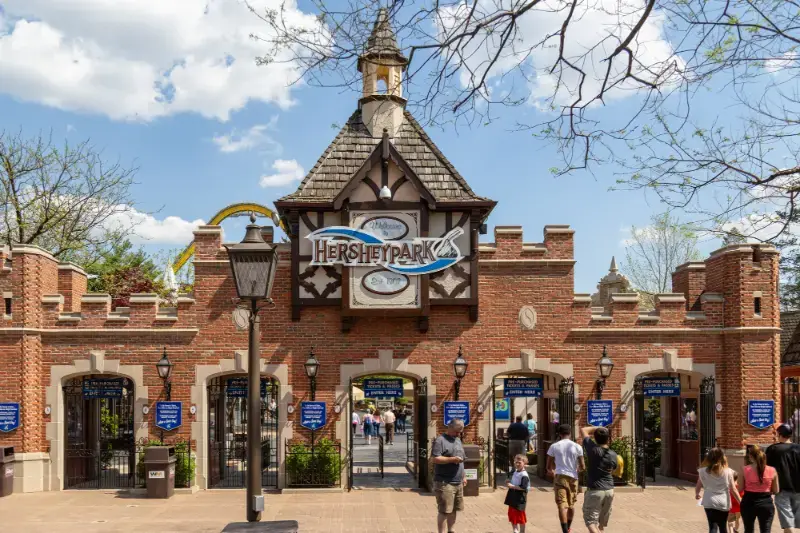
Spend a substantial half-day or full day at Gettysburg. Start with the visitor center and museum before driving the battlefield so that the landscape has context. If military history is not a major interest, one night is enough; history-focused travelers can easily justify two. Continue toward Hershey for a complete change of pace, especially if your trip includes children or amusement-park fans.
Hersheypark can consume a full day in operating season, while Hershey Gardens, The Hershey Story and Chocolate World can be combined more flexibly. Check the park calendar before treating Hershey as a guaranteed ride day because operations are seasonal and hours vary.
Days 7–8: Ricketts Glen and Cherry Springs
Now turn north. Ricketts Glen rewards hikers with its famous waterfall landscape, but the Falls Trail is not a casual paved stroll. The full loop is demanding, rocky and slippery in wet conditions. Travelers who do not want the full trail can use shorter options and nearby viewpoints, but should still wear proper footwear and check DCNR trail conditions.
Continue into the Pennsylvania Wilds for Cherry Springs State Park. Plan this night around darkness rather than daytime sightseeing. Arrive before sunset, learn the lighting etiquette, bring warm layers even in summer and have a backup plan if clouds make stargazing impossible. The public viewing area is for shorter visits; serious overnight observers use designated facilities and must follow additional rules.
Days 9–10: Erie and Allegheny National Forest
Travel west to Lake Erie and give Presque Isle State Park time rather than using Erie only as a bed stop. Beaches, shoreline trails and sunsets make this the route’s clearest Great Lakes experience. Weather on the lake can feel very different from inland Pennsylvania, so keep layers accessible.
Turn south-east into Allegheny National Forest for reservoirs, forest roads, hiking and a quieter rhythm. This is a good place to reduce the itinerary rather than increase it: choose one primary hike or scenic area and leave time for the drive. Cell coverage can vary, so save maps offline.
Days 11–12: Pittsburgh and Laurel Highlands

Pittsburgh deserves at least a full day. Ride an incline, choose one major museum, walk a riverfront area and spend time in a neighborhood instead of moving constantly between viewpoints. A second night makes the schedule much easier, especially if you want the Strip District, Carnegie museums or a sports event.
Then drive into the Laurel Highlands for Fallingwater, Ohiopyle and mountain scenery. Fallingwater requires timed tours and should be booked around availability, not squeezed between long drives. Ohiopyle adds hiking, river scenery and outdoor activities; weather can determine which deserves more time.
Days 13–14: Raystown Lake and the return east
Raystown Lake provides a final outdoor pause before returning east. Boating, beach time, trails and nearby Huntingdon County attractions can fill a day, but the best choice depends on season. Since 2026 many recreation areas operate under a pack-it-in, pack-it-out policy, so arrive prepared to remove your own trash.
On day 14, return toward Philadelphia or your departure airport. Do not schedule an international flight immediately after a long cross-state drive. A final airport-area night may look unexciting on paper, but it can protect the entire trip from construction, weather or traffic delays.
Where to stay
Compare available accommodation for your dates, budget and preferred location before you finalize your route.
For a two-week route, fewer hotel changes usually improve the experience. Good multi-night bases include Philadelphia, Lancaster County, Pittsburgh and either the PA Wilds or Erie depending on priorities. For the rural nights, choose accommodation based on the next morning’s activity rather than the nearest famous town. A trailhead, park entrance or early timed tour can make a twenty-mile difference important.
For accommodation, you can compare current hotel and lodging options on Booking.com. Compare the total stay price, parking, cancellation rules and the real driving time to the places you plan to visit rather than choosing only by nightly rate.
Best time to go
Late spring and early fall are the easiest all-round seasons. Summer offers the broadest operating calendars but can be hot and humid in the southeast and busy at family attractions. Autumn foliage is spectacular but raises weekend demand in the Poconos, PA Wilds and Laurel Highlands. Winter can work for city-focused trips, but snow, ice and reduced rural services change the logic of this statewide route.
Getting around and practical planning
Use public transport and walking in central Philadelphia, then rent a car for the statewide portion. Pennsylvania driving times can be deceptive because mountain routes, construction and small-town roads reduce average speed. Avoid designing consecutive days with four or five hours behind the wheel. Download maps before entering the PA Wilds and confirm fuel stops when traveling late in the day.
A strong Pennsylvania itinerary leaves space for variability. Weather, construction, timed-entry attractions and seasonal operating calendars can all change a day. Treat one major experience as the anchor and keep the second half of the day flexible. This is especially important in rural areas, where driving takes longer than the mileage suggests and restaurants or attractions may close earlier than they do in major cities.
Before departure, save confirmations and addresses offline, check the official source for any attraction that would be difficult to replace if closed, and keep a small list of nearby alternatives. This simple habit prevents a weather cancellation or schedule change from ruining the whole day.
How to combine this with the rest of Pennsylvania
Useful related guides already in this Pennsylvania cluster include Philadelphia Pennsylvania Travel Guide, Lancaster Pennsylvania Travel Guide, Gettysburg Pennsylvania Travel Guide, Pittsburgh Pennsylvania Travel Guide, Laurel Highlands Pennsylvania Travel Guide and Erie Pennsylvania Travel Guide. Use them to build a route by geography rather than collecting isolated attractions.
Official sources and current information
Frequently asked questions
How much time should I allow?
Allow enough time for the main experience without treating travel time as sightseeing time. For a focused attraction or park, one full day is usually more useful than two rushed half-days. For a region or road trip, add nights where they reduce backtracking and protect the schedule from weather.
Do I need to book in advance?
Reserve timed tours, popular campgrounds, amusement-park products when discounts depend on advance purchase, and high-demand lodging. Flexible outdoor stops usually need less advance commitment, but current access, weather and trail conditions should still be checked shortly before arrival.
Is this suitable for a first Pennsylvania trip?
Yes when it matches your interests and the geography of the rest of the route. A first trip does not need every famous destination. Combining one major city with one historical region and one outdoor landscape normally produces a more memorable itinerary than trying to cross the state repeatedly.
Related Pennsylvania travel guides
-
Philadelphia with Kids: Family Attractions, Museums, Parks & Easy Itineraries
Plan a family trip to Philadelphia with kid-friendly museums, historic sites, parks, markets, practical pacing and itinerary ideas for different ages.
-
Philadelphia Food Guide: Cheesesteaks, Roast Pork, Markets & Local Favorites
Plan what to eat in Philadelphia with cheesesteaks, roast pork, hoagies, pretzels, Reading Terminal Market, neighborhood dining and practical food-trip advice.
-
Best Time to Visit Pennsylvania: Weather, Seasons, Crowds & Regional Trips
Choose the best time to visit Pennsylvania for Philadelphia, Pittsburgh, fall foliage, state parks, family trips and road trips with a season-by-season guide.
-
Allegheny National Forest Pennsylvania Guide: Trails, Reservoir, Scenic Drives & Camping
Explore Allegheny National Forest in Pennsylvania with hiking, Allegheny Reservoir, scenic drives, camping, old-growth forest, paddling and fall travel tips.
-
Pittsburgh with Kids: Museums, Science, Animals, Parks & Family Trip Tips
Plan Pittsburgh with kids using a family-friendly mix of science, museums, animals, parks, inclines, riverfront walks and practical itinerary advice.
-
Where to Stay in Pittsburgh: Best Neighborhoods for First-Time Visitors
Choose where to stay in Pittsburgh with a neighborhood-by-neighborhood guide to Downtown, Strip District, North Shore, Oakland, Shadyside and South Side.