

Philadelphia Food Guide: Cheesesteaks, Roast Pork, Markets & Local Favorites. Philadelphia has one of the most recognizable food identities in the United States, but reducing the city to cheesesteaks misses much of what makes eating here interesting. A strong food itinerary includes the famous sandwich, yet also makes room for roast pork, hoagies, soft pretzels, Pennsylvania Dutch baking, Italian-American traditions, public markets and the modern restaurant scenes of neighborhoods such as Fishtown and East Passyunk. The goal is not to identify one universally “best” shop, but to understand the foods and places that tell different parts of Philadelphia's story.
What to know before you plan
Pennsylvania rewards realistic planning more than aggressive sightseeing. Opening hours, seasonal services, event schedules, trail conditions and timed-entry procedures can change, so use this guide to shape the route and then verify the details that affect your exact travel dates on the official sources linked below. If a destination is central to the trip, confirm it again shortly before departure.
Highlights and how to experience them
Cheesesteaks without turning the trip into a contest
A cheesesteak is part of the Philadelphia experience, but there is no need to spend half a day traveling between famous rivals. Choose a well-regarded shop convenient to your itinerary, decide whether you want provolone, American cheese or Cheez Whiz, and learn the local shorthand for onions if you enjoy the ritual. The sandwich is rich and filling, so sharing one can make sense if you want to keep tasting through the day.
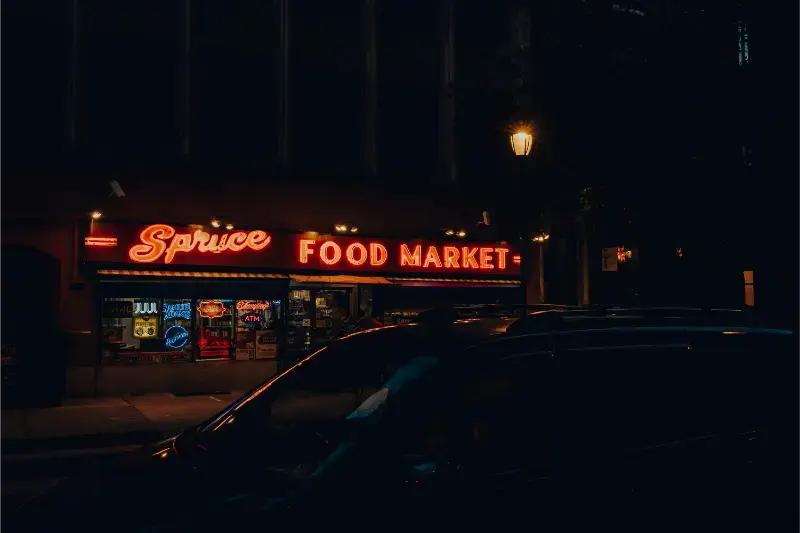
The practical way to include Cheesesteaks without turning the trip into a contest is to decide what role it plays in the day. If it is a priority, place it before lower-value stops and allow a buffer for parking, entry procedures or weather. If it is secondary, keep the surrounding schedule flexible so the trip does not become a race between reservations. This approach is especially useful in Pennsylvania, where historic sites, parks and neighborhood experiences often sit close together but require very different amounts of time.
Roast pork and hoagies
Roast pork sandwiches with sharp provolone and greens are equally important to many local eaters, while hoagies show the strength of Philadelphia's bread and deli traditions. These foods are useful alternatives for travelers who want something iconic without repeating cheesesteaks. They also lead you into South Philadelphia and neighborhood shops where the experience feels less like a single tourist stop and more like part of daily city life.
The practical way to include Roast pork and hoagies is to decide what role it plays in the day. If it is a priority, place it before lower-value stops and allow a buffer for parking, entry procedures or weather. If it is secondary, keep the surrounding schedule flexible so the trip does not become a race between reservations. This approach is especially useful in Pennsylvania, where historic sites, parks and neighborhood experiences often sit close together but require very different amounts of time.
Reading Terminal Market
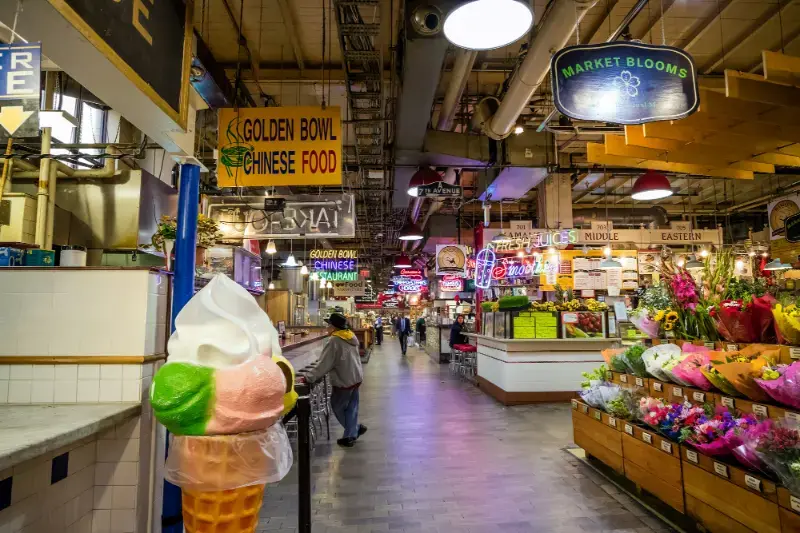
Reading Terminal Market is the easiest place to understand the breadth of the local food scene in one visit. Alongside Philadelphia classics, you will find Pennsylvania Dutch vendors, bakeries, produce, seafood, soul food and international counters. Go with a short list but leave room for impulse choices. A market visit works best when you sample two or three smaller things rather than ordering the largest plate at the first stall you see.
The practical way to include Reading Terminal Market is to decide what role it plays in the day. If it is a priority, place it before lower-value stops and allow a buffer for parking, entry procedures or weather. If it is secondary, keep the surrounding schedule flexible so the trip does not become a race between reservations. This approach is especially useful in Pennsylvania, where historic sites, parks and neighborhood experiences often sit close together but require very different amounts of time.
Pretzels, sweets and Pennsylvania Dutch flavors
Soft pretzels make an easy snack between museums, while bakeries offer everything from traditional cakes to Amish and Pennsylvania Dutch sweets. If your trip continues toward Lancaster County, save some regional specialties for that leg rather than trying to taste everything in Philadelphia. Food becomes more meaningful when it connects to place instead of functioning as a generic checklist.
The practical way to include Pretzels, sweets and Pennsylvania Dutch flavors is to decide what role it plays in the day. If it is a priority, place it before lower-value stops and allow a buffer for parking, entry procedures or weather. If it is secondary, keep the surrounding schedule flexible so the trip does not become a race between reservations. This approach is especially useful in Pennsylvania, where historic sites, parks and neighborhood experiences often sit close together but require very different amounts of time.
Neighborhood dining
East Passyunk, Fishtown, South Philadelphia, Chinatown and Rittenhouse all offer very different dinner experiences. Reserve only the meals that genuinely matter to you and keep the rest flexible. Philadelphia is a city where excellent meals can happen at casual counters as easily as formal restaurants, so a successful food trip does not require a high budget every night.
The practical way to include Neighborhood dining is to decide what role it plays in the day. If it is a priority, place it before lower-value stops and allow a buffer for parking, entry procedures or weather. If it is secondary, keep the surrounding schedule flexible so the trip does not become a race between reservations. This approach is especially useful in Pennsylvania, where historic sites, parks and neighborhood experiences often sit close together but require very different amounts of time.
How to build a food day
Start with a light breakfast, schedule Reading Terminal Market before or after the noon rush, use the afternoon for museums or walking, then pick one neighborhood for dinner. On another day, add the iconic sandwich that best fits your route. This spacing keeps the trip enjoyable and lets you experience food as part of the city rather than as a marathon.
The practical way to include How to build a food day is to decide what role it plays in the day. If it is a priority, place it before lower-value stops and allow a buffer for parking, entry procedures or weather. If it is secondary, keep the surrounding schedule flexible so the trip does not become a race between reservations. This approach is especially useful in Pennsylvania, where historic sites, parks and neighborhood experiences often sit close together but require very different amounts of time.
How long to allow
A good Pennsylvania itinerary protects time for transitions. Distances that look modest on a map can become slower once urban traffic, mountain roads, parking, meals and attraction entry are included. For a city-focused article, two full days usually reveal more than a one-day checklist; for statewide outdoor topics, choose two or three geographic clusters rather than crossing the state repeatedly. Build the schedule around one or two priority experiences per day and leave room for weather, meals and unplanned discoveries.
Getting around
Philadelphia is the easiest major destination to experience without a car, and Pittsburgh also has neighborhoods where driving is unnecessary once you are settled. Rural Pennsylvania is different. State parks, small towns and waterfall regions are generally simpler by car. If your trip begins in Philadelphia, consider delaying the rental until the day you leave the city; this avoids downtown parking costs and lets you use rail, walking and local transit first.
Where to stay
Compare available accommodation for your dates, budget and preferred location before you finalize your route.
Choose accommodation based on the next morning as well as the previous evening. In cities, walkability and transit access can justify a higher nightly rate. On road trips, free or simple parking and quick highway access may matter more than being in the center of town. In foliage season and on summer weekends, small-town and park-area lodging can fill earlier than city hotels, so reserve the least replaceable nights first.
Costs and reservations
Pennsylvania can be budget-friendly if you combine free historic districts, parks and scenic drives with a smaller number of paid attractions. The expensive items are usually central-city accommodation, rental cars, parking, major museums, theme parks and special tours. Check whether a ticket is timed, whether parking is included and whether cancellation is flexible before paying. Avoid overbooking ordinary meals or low-priority attractions when weather may change your plans.
Accessibility and families
Accessibility varies widely between modern museums, historic buildings, mountain trails and waterfall paths. Consult the official site for the exact attraction or park if mobility is important. Families usually have a better trip when they alternate structured attractions with open space. A museum, market or historic tour followed by a park, short walk or relaxed meal is often more successful than three ticketed stops in a row.
Common mistakes to avoid
The most common planning mistake is treating Pennsylvania as a compact state. Philadelphia, Pittsburgh, Erie and the northern forests are not casual side trips from one another. Another mistake is relying on old screenshots for hours, trail access or timed-entry rules. Finally, do not build an itinerary around famous names alone: a smaller town, park or local meal near your route may add more value than a detour of several hours.
A practical itinerary framework
For a short visit, identify one geographic core and build outward from it. On a longer Pennsylvania trip, combine regions in a logical sequence rather than returning to the same base every night. Philadelphia pairs naturally with Valley Forge, Lancaster County and the Brandywine area; Pittsburgh pairs with the Laurel Highlands and Fallingwater; Erie is a separate Lake Erie stop; northeastern waterfall and Pocono trips work best as their own cluster. This regional approach reduces driving and makes the trip feel more coherent.
- Book the hardest-to-replace experience first.
- Keep at least one half-day flexible for weather or fatigue.
- Download maps before entering remote park areas.
- Check parking and transit before choosing a hotel.
- Use official sources for current hours, closures and reservations.
Where to book accommodation
For current hotel availability, compare options close to the part of the itinerary you will use most. Search accommodation on Booking.com. On a road trip, check parking and cancellation terms before choosing the lowest nightly rate.
Official sources and current information
Use the official source below for information that can change after publication. For state parks, trails, road conditions or historic sites, follow the links from the official tourism or agency website to the specific destination before traveling.
Frequently asked questions
Is this worth adding to a first Pennsylvania trip?
Yes when it fits the geography and interests of your route. A strong first trip usually combines one major city with one or two contrasting regions rather than trying to see every famous destination in the state. Prioritize the experiences that are difficult to replicate elsewhere and leave lower-priority stops for a future visit.
Do I need a car?
For central Philadelphia, usually not. For most state parks, waterfall regions, small towns and cross-state travel, a car is much more practical. Pittsburgh sits between those extremes: many urban neighborhoods work without a car, but a vehicle becomes useful when you add Fallingwater or the Laurel Highlands.
When should I book?
Reserve high-demand lodging, timed tours, foliage weekends, popular family attractions and special events early. Ordinary restaurants and flexible outdoor stops usually need less advance commitment. Keep cancellation flexibility when weather could affect the experience.
Continue planning Pennsylvania
Use the Pennsylvania travel hub to choose the next region. The related-guides section below automatically shows only Pennsylvania articles that are already published, so it will grow as the scheduled cluster goes live.
Related Pennsylvania travel guides
-
Philadelphia with Kids: Family Attractions, Museums, Parks & Easy Itineraries
Plan a family trip to Philadelphia with kid-friendly museums, historic sites, parks, markets, practical pacing and itinerary ideas for different ages.
-
Best Time to Visit Pennsylvania: Weather, Seasons, Crowds & Regional Trips
Choose the best time to visit Pennsylvania for Philadelphia, Pittsburgh, fall foliage, state parks, family trips and road trips with a season-by-season guide.
-
Allegheny National Forest Pennsylvania Guide: Trails, Reservoir, Scenic Drives & Camping
Explore Allegheny National Forest in Pennsylvania with hiking, Allegheny Reservoir, scenic drives, camping, old-growth forest, paddling and fall travel tips.
-
Pittsburgh with Kids: Museums, Science, Animals, Parks & Family Trip Tips
Plan Pittsburgh with kids using a family-friendly mix of science, museums, animals, parks, inclines, riverfront walks and practical itinerary advice.
-
14-Day Pennsylvania Road Trip: Philadelphia, Amish Country, Pittsburgh, PA Wilds & Erie
Plan a 14-day Pennsylvania road trip through Philadelphia, Lancaster County, Gettysburg, Hershey, the PA Wilds, Erie, Pittsburgh, Laurel Highlands and Raystown Lake.
-
Where to Stay in Pittsburgh: Best Neighborhoods for First-Time Visitors
Choose where to stay in Pittsburgh with a neighborhood-by-neighborhood guide to Downtown, Strip District, North Shore, Oakland, Shadyside and South Side.