

Destinations › Southwest › Arizona › Route 66 in Arizona
Arizona is one of the best states for experiencing Route 66 as a road trip rather than a museum exhibit. The state preserves a long stretch of the old Mother Road, connecting high-country towns, roadside neon, diners, trading posts and open desert. In 2026 Route 66 marks its centennial, making this an especially meaningful year to build the historic highway into an Arizona itinerary.
The best route does not require driving every surviving alignment. Use Interstate 40 when necessary, then deliberately exit for the places where the old road still feels alive: Flagstaff, Williams, Seligman and the long historic section toward Kingman.
- 1Day 1: Flagstaff → Williams, explore historic districts
- 2Day 2: Williams/Seligman → historic alignment → Hackberry → Kingman
- 3Day 3: insert Grand Canyon South Rim between Williams and the western Route 66 section
At a glance
| Question | Best answer |
| Ideal time | 2 days, or 3 with Grand Canyon detour |
| Core towns | Flagstaff, Williams, Seligman, Kingman |
| Best preserved feel | Seligman to Kingman section |
| 2026 significance | Route 66 Centennial |
| Biggest mistake | Trying to drive every alignment in one rushed day |
The best Route 66 stops in Arizona
Flagstaff: high-country Route 66
Flagstaff combines historic Route 66 with a real mountain town, breweries, railroad history and access to Walnut Canyon, Sunset Crater and the Grand Canyon region. Spend at least a few hours walking central Flagstaff rather than treating the city as a fuel stop.
Its elevation also makes the climate very different from Phoenix and Kingman, so carry layers on a statewide road trip.
Williams: gateway to the Grand Canyon
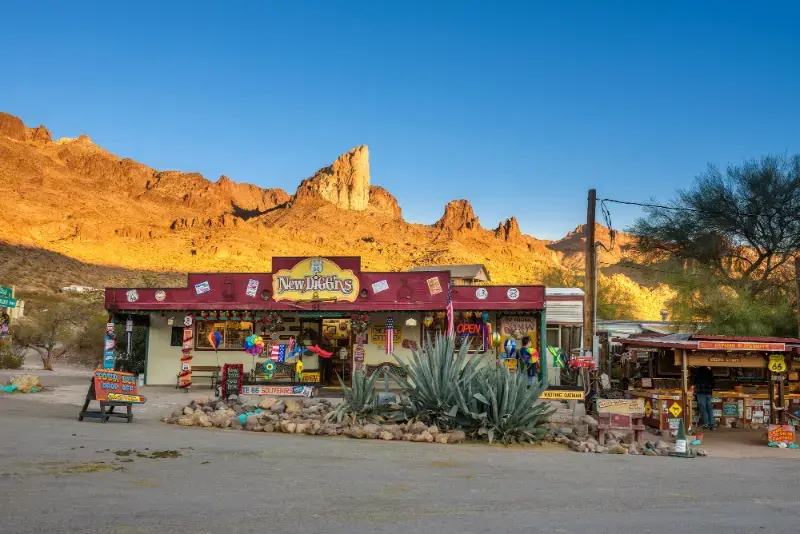
Williams leans into Route 66 nostalgia with neon, diners and preserved storefronts, while also serving as the southern terminus of the Grand Canyon Railway. The town is ideal for travelers who want one night of Mother Road atmosphere before heading to the South Rim.
Do not confuse a charming themed main street with a reason to skip the actual Grand Canyon; use Williams as a connector.
Seligman: birthplace of the preservation story
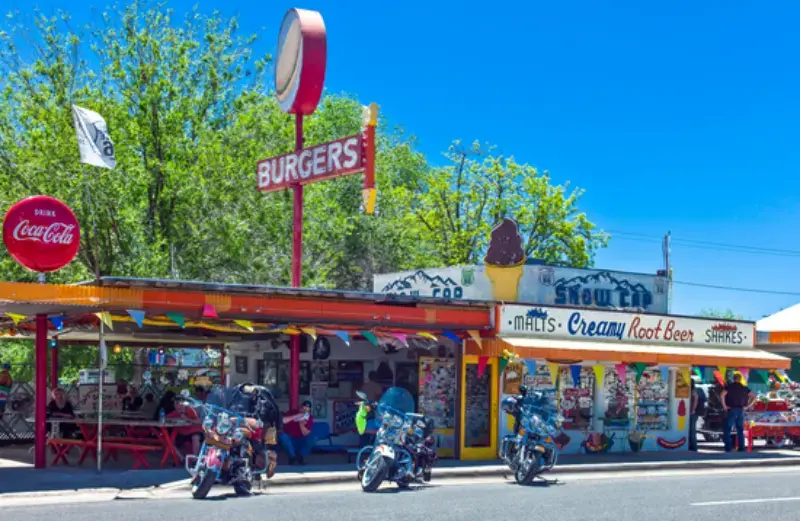
Seligman became a symbol of the movement to keep Historic Route 66 alive after Interstate 40 bypassed many towns. The small center is packed with signs, old motels and roadside businesses. Give it enough time to walk and talk to people rather than photographing one sign and leaving.
It is also the eastern gateway to one of the most rewarding preserved road sections in the state.
Seligman to Kingman: drive the historic road
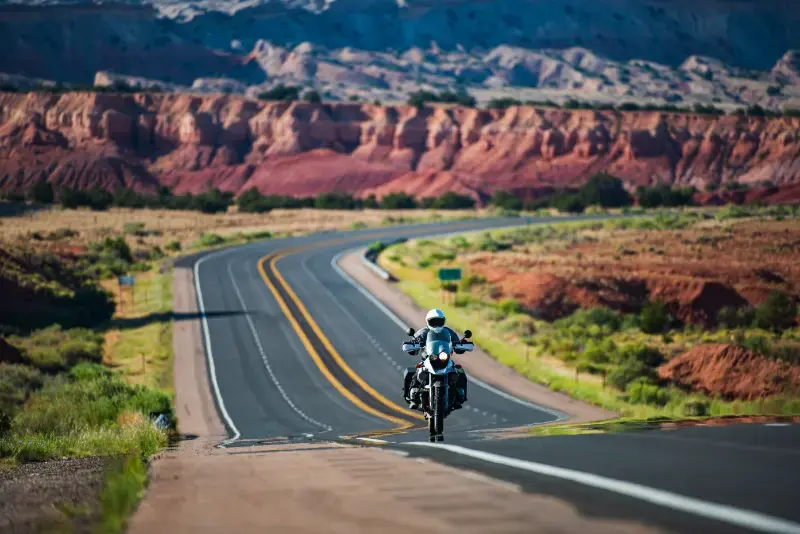
The official Visit Arizona Route 66 guide notes that Arizona has 385.2 miles of preserved Mother Road and highlights the state’s unusually intact legacy. The long historic alignment between Seligman and Kingman lets you leave I-40 for a slower, more atmospheric drive through open country and small communities.
Carry fuel and water, and do not expect every historic business to keep city-style hours.
Kingman: history and a practical overnight
Kingman is both a Route 66 museum stop and a useful road-trip base. It works well at the western end of the preserved section before continuing toward Las Vegas, California or back across Arizona.
Use the town to learn the road’s transportation history, then walk the historic district rather than only refueling beside the interstate.
Hackberry and roadside Americana
Small stops such as Hackberry are part of Route 66’s charm, but business status and hours can change. Treat them as bonuses rather than anchors for food or fuel. The road is strongest when you enjoy unexpected details instead of forcing a pre-written checklist.
Always respect private property around old gas stations, motels and abandoned structures.
Grand Canyon detour: worth it, but do not call it Route 66
Grand Canyon National Park is not directly on old Route 66, yet Williams makes it a natural detour. Add at least one night at or near the South Rim rather than racing there and back between Route 66 towns.
A three-day route can combine Flagstaff/Williams, Grand Canyon and Seligman/Kingman without destroying the historic-road experience.
The 2026 Route 66 Centennial
Route 66 was established in 1926, so 2026 marks 100 years of the route. Expect centennial events, temporary exhibitions and increased interest in classic towns. Check local calendars rather than assuming every event runs all year.
The centennial is also a reminder to spend money at independent roadside businesses that keep the route alive.
How to plan the trip without overpacking the day
Drive east-to-west or west-to-east based on your wider itinerary, not symbolism. The preserved road is slower than I-40, and photo stops multiply quickly. Two days is a comfortable minimum if you want to experience towns instead of just passing through them.
Build daylight into the historic-road section. Night driving removes much of the scenery and makes wildlife and poorly lit junctions harder to manage. Save interstate mileage for after dark only if necessary.
Best time to go
Spring and fall provide comfortable driving and walking weather across much of the route. Summer is hot around Kingman but cooler in Flagstaff. Winter can bring snow and ice to high-elevation eastern sections while western Arizona remains relatively mild.
Because the route crosses major elevation changes, check weather separately for Flagstaff/Williams and Kingman rather than relying on a single Arizona forecast.
Getting there and getting around
A car is the point of this itinerary. Navigation apps often prioritize Interstate 40, so use a Route 66 map or manually set historic-road towns as waypoints. Download offline navigation before remote stretches.
Do not let fuel drop too low on slower alignments, especially if you are stopping frequently with air-conditioning running in summer.
Where to stay and how many nights
Compare available accommodation for your dates, budget and preferred location before you finalize your route.
Flagstaff, Williams and Kingman are the easiest overnight bases. Seligman offers smaller-scale historic lodging for travelers who want atmosphere over choice.
For a first route, stay one night around Flagstaff/Williams and one in Kingman, with an optional Grand Canyon night inserted after Williams.
Compare accommodation: compare hotels and other stays on Booking.com.
A simple first-time itinerary
- Day 1: Flagstaff → Williams, explore historic districts
- Day 2: Williams/Seligman → historic alignment → Hackberry → Kingman
- Optional Day 3: insert Grand Canyon South Rim between Williams and the western Route 66 section
If you are continuing to Las Vegas, Kingman is a natural launch point. If continuing through Arizona, reverse the route and end in Flagstaff/Sedona.
Common mistakes to avoid
- Letting navigation keep you on I-40 the whole time
- Driving every old alignment just to claim completion
- Arriving at small businesses near closing time
- Ignoring high-elevation winter weather
- Treating private abandoned buildings as photo props
Route 66 is about the communities as much as the pavement. Slow down enough to understand why bypasses changed these towns.
Build this into a wider Arizona trip
Route 66 fits neatly with the Grand Canyon and Sedona portions of a northern Arizona road trip.
Useful official resources
More Arizona planning
- Arizona Travel Guide
- Best Things to Do in Arizona
- Arizona Road Trip: 10–14 Days
- Best Time to Visit Arizona
- Grand Canyon National Park Guide
- Sedona Travel Guide
Extra practical advice
One useful way to improve the itinerary is to protect the first hour of the day. In Arizona, the early window often has cooler temperatures, softer light, easier parking and more wildlife activity. Use that hour for the experience that would be hardest to repeat later, then let breakfast, shopping or a scenic drive absorb any delays. This simple habit also reduces the temptation to rush when a trail, tour or road takes longer than expected.
Build a backup that is genuinely different from the main plan. If the primary activity is an exposed hike, the backup should not be another exposed hike nearby. Choose an indoor museum, a shaded creek, a scenic drive, a pool block or a town experience. Arizona weather can vary sharply by elevation, and a good backup lets you respond to heat, storms or wind without feeling that the day has been lost.
For road trips, measure difficulty by the entire day rather than by drive time alone. A two-hour transfer after a sunrise hike, restaurant stop and sunset viewpoint can feel harder than a four-hour morning drive with no commitments. Keep arrival evenings light, avoid nonrefundable dinner reservations after long desert legs and refuel before remote highways. The best road-trip days end with enough energy to enjoy where you arrived.
Photography can quietly consume a trip if every overlook becomes a production. Pick one or two places where light matters, then allow the rest of the day to be experienced without chasing perfect conditions. This is particularly useful in the Southwest, where cloud cover, dust, monsoon storms and seasonal sun angles can make the landscape look completely different from reference photos. A flexible traveler usually comes home with better memories and often better images.
One useful way to improve the itinerary is to protect the first hour of the day. In Arizona, the early window often has cooler temperatures, softer light, easier parking and more wildlife activity. Use that hour for the experience that would be hardest to repeat later, then let breakfast, shopping or a scenic drive absorb any delays. This simple habit also reduces the temptation to rush when a trail, tour or road takes longer than expected.
Build a backup that is genuinely different from the main plan. If the primary activity is an exposed hike, the backup should not be another exposed hike nearby. Choose an indoor museum, a shaded creek, a scenic drive, a pool block or a town experience. Arizona weather can vary sharply by elevation, and a good backup lets you respond to heat, storms or wind without feeling that the day has been lost.
Continue the wider Route 66 journey into Texas with the Texas road-trip itinerary and best places to visit in Texas.