

Destinations › Pacific USA › Washington State travel guide › Tacoma Washington Travel Guide: Waterfront, Museums, Point Defiance & Where to Stay
Tacoma is often treated as a place to pass on the way between Seattle and Mount Rainier, but that misses what makes the city useful on a Washington itinerary. Its downtown museum district is compact, the waterfront gives you long views across Commencement Bay, Point Defiance adds forest and beaches without leaving the city, and hotel prices can be easier to justify than a comparable Seattle stay. Tacoma works especially well when you want culture and food without giving up quick access to the southern Puget Sound and the road toward Mount Rainier.
Compare available accommodation for your dates, budget and preferred location before you finalize your route.
The city rewards a slower plan. Rather than racing through a checklist, give yourself time to walk between museums, spend an afternoon around Point Defiance or Ruston, and eat in one of the neighborhoods away from the interstate. Two nights is enough for a strong first visit; three gives you room for a Mount Rainier or Gig Harbor day trip without turning Tacoma itself into an afterthought.
At a glance
| Best for | Museums, waterfront walks, family attractions and a Seattle alternative |
| Ideal stay | 2 nights; 3 with a major day trip |
| Best base | Downtown for museums; waterfront/Ruston for views |
| Car needed? | Not for a compact downtown day, useful for Point Defiance and regional trips |
For changing schedules, closures and local notices, check the relevant official visitor information before travel.
Start downtown in the Museum District
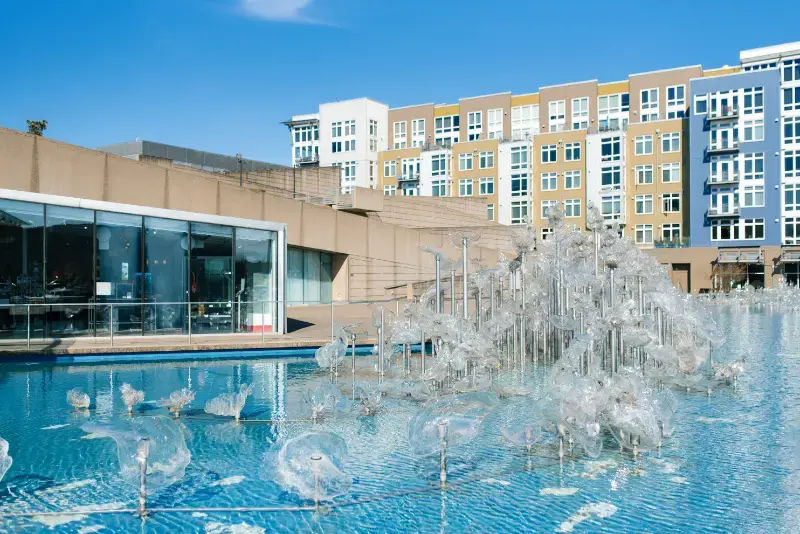
Tacoma's strongest urban advantage is how many major cultural stops sit close together. The Museum of Glass anchors the waterfront side of downtown, with the Chihuly Bridge of Glass linking the area toward the Washington State History Museum and Union Station. Tacoma Art Museum adds Northwest art a short walk away. You do not need to visit every museum for the district to work: even one museum plus the bridge, historic architecture and a waterfront walk creates a satisfying half day. If you are traveling with children, alternate indoor time with open spaces rather than stacking three museums back to back.
This is also where slowing down improves the trip. Leave room for a meal, a local shop or an unplanned walk rather than turning the visit into a sequence of parking stops. The most useful schedule is usually lighter than the one that first looks possible on a map.
Walk the waterfront rather than viewing it only from the car
Ruston Way and the connected waterfront spaces change Tacoma's feel completely. The shoreline is built for walking, casual meals and broad views over Commencement Bay, while Dune Peninsula and the newer public spaces around Point Ruston give you an easy place to slow down near sunset. Weather matters more than distance here: on a clear day the water and mountain views can become the highlight of the trip, while on a wet day this is better treated as a flexible window between museums and food stops.
This is also where slowing down improves the trip. Leave room for a meal, a local shop or an unplanned walk rather than turning the visit into a sequence of parking stops. The most useful schedule is usually lighter than the one that first looks possible on a map.
Give Point Defiance at least half a day
Point Defiance is much more than the zoo that many visitors know first. The park combines old-growth forest, shoreline, gardens, overlooks and access to Owen Beach, so it can feel like a nature break without the logistics of a national park. The Point Defiance Zoo & Aquarium can easily fill several hours for families, while travelers who prefer scenery can focus on the trails, gardens and waterfront. Do not plan the park as a quick photo stop; parking, walking and the size of the area make a relaxed half day more realistic.
For outdoor stops, verify current access on the managing agency’s website the same morning. Carry water and layers, stay on signed routes and turn back if conditions are different from what you expected. The best itinerary is the one that leaves enough margin to enjoy the place safely.
Choose a neighborhood evening
Tacoma becomes more memorable once you leave the attraction corridor. Stadium District, Proctor and the 6th Avenue area each have their own mix of cafes, bars, restaurants and local shops. Pick one neighborhood for dinner rather than driving across the city trying to sample everything. Stadium District pairs well with historic architecture and views toward Commencement Bay; Proctor feels more residential and easygoing; 6th Avenue is useful when you want a broader choice of casual food and nightlife.
This is also where slowing down improves the trip. Leave room for a meal, a local shop or an unplanned walk rather than turning the visit into a sequence of parking stops. The most useful schedule is usually lighter than the one that first looks possible on a map.
Use Tacoma as a Mount Rainier staging point carefully
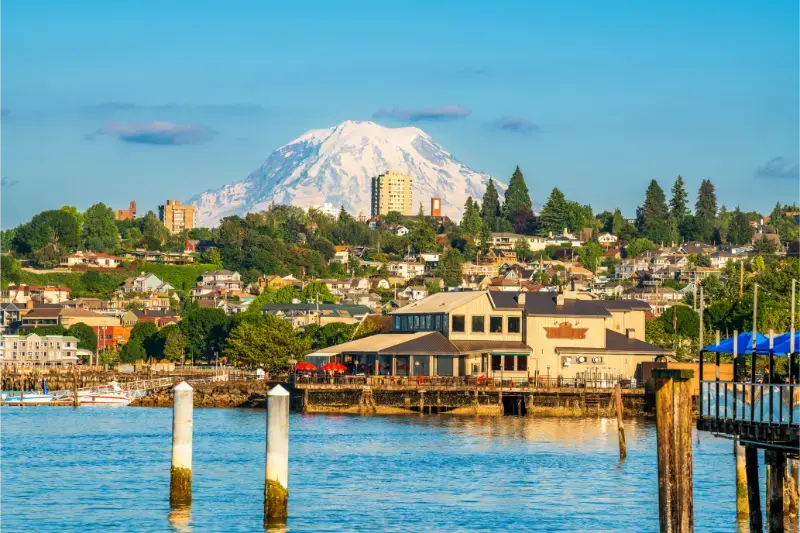
Tacoma can be a practical first or final night around a Mount Rainier trip, but it is not the same as sleeping at a park gateway. The drive to the mountain still takes meaningful time, and seasonal road conditions can change the best route. If your priority is an early trailhead, stay closer to the park. If your priority is combining museums, restaurants and a comfortable city base with one scenic day, Tacoma is a smart compromise. Read the site's Mount Rainier guide before fixing a same-day out-and-back plan.
Keep the day flexible around transportation. In Washington, a short distance can still involve queues, two-lane roads, weather or limited parking. Build one important stop into each half day, then add smaller places only when the route is running smoothly.
Add Gig Harbor when you want a smaller waterfront contrast
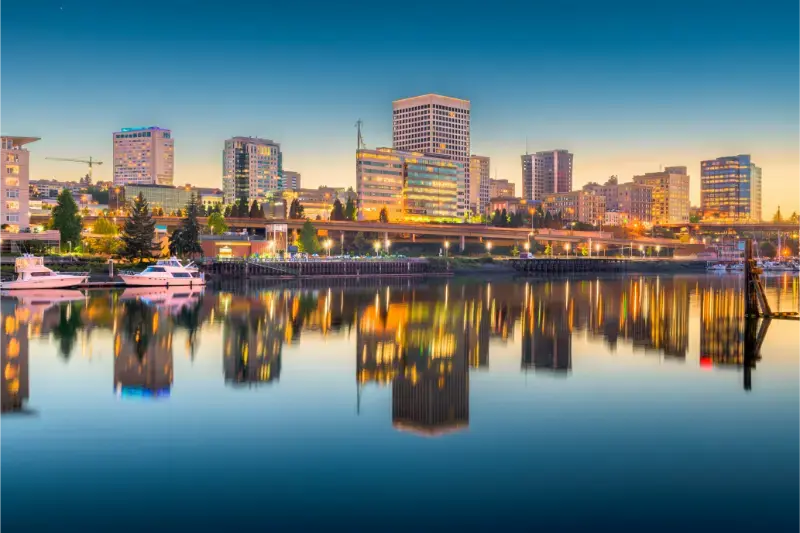
Gig Harbor sits across the Narrows and makes an easy complement to Tacoma. Its harborfront is compact, walkable and much quieter, with marinas, seafood and views that feel distinctly different from Tacoma's working port. It is best as a few hours rather than another rushed overnight unless you specifically want a small-town stay. Combining Point Defiance in the morning with Gig Harbor later can work, but allow bridge traffic and do not overpack the day.
This is also where slowing down improves the trip. Leave room for a meal, a local shop or an unplanned walk rather than turning the visit into a sequence of parking stops. The most useful schedule is usually lighter than the one that first looks possible on a map.
Best time to visit
Summer offers the easiest waterfront weather and longest evenings, but Tacoma is not a summer-only destination. Spring and early autumn can be excellent for museums plus outdoor time, while winter favors indoor culture, restaurants and flexible short walks between showers. If Mount Rainier is part of the plan, let mountain access—not Tacoma's city weather—drive the dates.
For a broader seasonal comparison, use the Washington State seasonal guide before finalizing flights and nonrefundable accommodation.
Getting there and getting around
Tacoma is south of Seattle on the I-5 corridor and can be reached by car or regional transit. In the core, the T Line light rail and walking help connect downtown areas, but Point Defiance, Gig Harbor and Mount Rainier are much easier with a car. If you are flying through Seattle-Tacoma International Airport, avoid assuming that the airport is in downtown Tacoma; build transfer time into arrival and departure days.
Where to stay
For a first visit, downtown is the most efficient base for museums and an urban itinerary. Waterfront and Point Ruston stays trade some central convenience for views and evening walks. If you are using Tacoma mainly before Mount Rainier, prioritize easy parking and highway access over being next to a specific attraction. Compare current options on Booking.com for Tacoma and check cancellation terms if mountain weather could change your route.
A useful rule is to pay for location when it saves a difficult morning. A room that shortens a ferry queue, mountain drive or early trailhead transfer can be worth more than a lower nightly rate that adds two hours of driving. For ordinary sightseeing days, prioritize walkability, parking and flexible cancellation over luxury features you may barely use.
A realistic itinerary
- Day 1: Museum District, Bridge of Glass, downtown architecture and dinner in Stadium District.
- Day 2: Point Defiance, Owen Beach and Ruston waterfront around sunset.
- Day 3 option: Mount Rainier, Gig Harbor or a slower neighborhood-and-waterfront day.
Do not treat the itinerary as a checklist. Weather, ferry operations, seasonal access and local events can change the best order. Protect the one experience that matters most, then let the rest of the day breathe around it.
Practical advice that prevents avoidable problems
Do not schedule a Tacoma museum morning immediately before a fixed Mount Rainier reservation or flight. I-5 traffic can erase the buffer quickly. Parking rules vary by district, so confirm hotel parking before booking and treat downtown garage time as part of the day. For waterfront evenings, bring a windproof layer even when the inland forecast looks warm.
Before leaving each morning, do a two-minute check of weather, road or ferry alerts and the official page for the main attraction. Save key confirmations offline. This small habit matters more in Washington than it might appear because mountains, islands and river corridors can create detours that are disproportionately long.
How this fits into a Washington State trip
Use this guide together with Mount Rainier National Park guide, Seattle travel guide, best places to visit in Washington State. These pages help you decide whether the destination belongs in the same route or deserves a separate trip rather than forcing every famous place into one vacation.
If this is your first time in the state, start with the best places to visit in Washington State and the Washington State road-trip itinerary to compare distances before booking.