

Wyoming is a superb family destination when adults plan for the scale of the state rather than the number of attractions on a map. Children can watch bison in Yellowstone, ride a boat across Jenny Lake, see dinosaur fossils, soak in mineral water, walk through emigrant-trail history and spend an evening at a rodeo. The challenge is that those experiences can be hundreds of miles apart.
The best family itinerary therefore uses fewer bases and more two- or three-night stays. Young travelers usually remember a ranger program, a picnic and an hour throwing stones beside a lake more clearly than a twelve-hour sightseeing day. Build the schedule around sleep, meals and outdoor breaks first, then add the headline attractions.
Yellowstone is unforgettable but demands strict wildlife and thermal safety
Children need simple, repeated rules before leaving the car: stay on boardwalks, never run toward wildlife and remain next to an adult near bison or elk. Yellowstone requires at least 25 yards from most large animals and 100 yards from bears, wolves and cougars. Those are minimum distances, not photography targets.
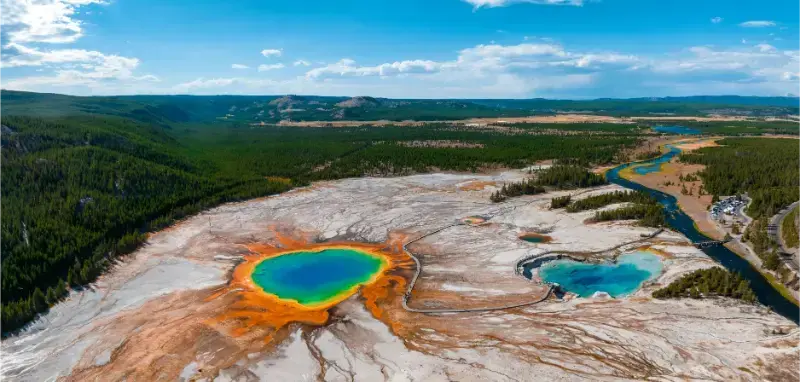
Break geyser-basin days into short walks with food and restroom stops. Old Faithful is easier for young children than trying to complete every boardwalk in one afternoon. Lamar or Hayden Valley can be excellent for wildlife, but bring binoculars so children are rewarded for keeping a safe distance.
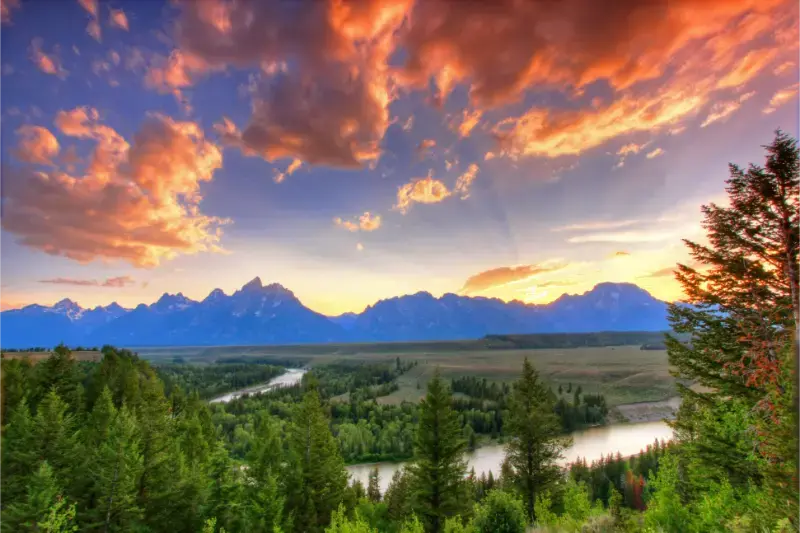
Grand Teton works well for lake days and short walks
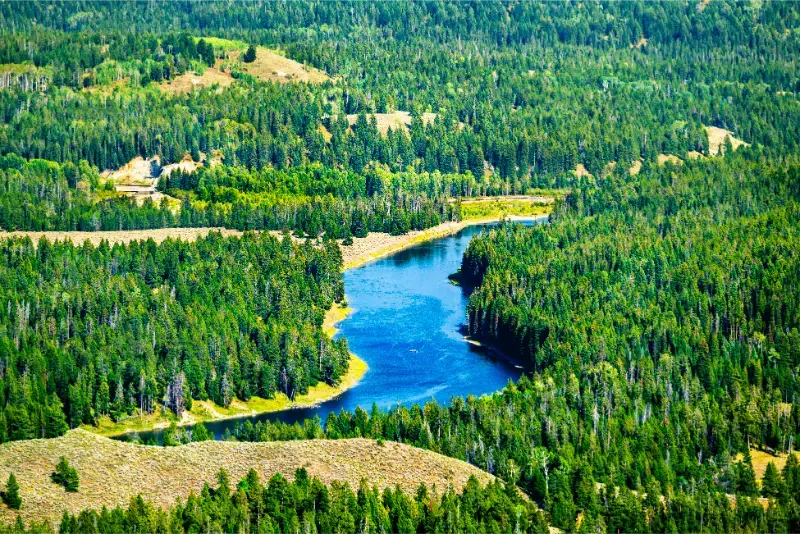
Grand Teton’s scenery is immediate even without a long hike. Jenny Lake, String Lake, Colter Bay and roadside viewpoints can fill a family day with short walks, picnics and water views. Boat rides can add variety for children who tire of walking.
In 2026, construction affects several trails and roads, so check current park conditions instead of promising a specific trail months in advance. Flexible families often have the best day: choose two possible hikes and let weather, parking and energy decide which one happens.
Cody mixes history, museums and evening entertainment
The Buffalo Bill Center of the West can absorb hours and offers far more than a traditional historical museum. Families can choose sections on natural history, Plains Indian cultures, art and the American West rather than trying to see every gallery. In summer, Cody’s rodeo culture adds a very different evening experience from the national parks.
The town is also a practical place to restock groceries and do laundry before entering more remote country. A family road trip often improves when one base includes boring but necessary reset time.
Dinosaurs and fossils can become the theme that connects the state
Thermopolis has the Wyoming Dinosaur Center, while Fossil Butte National Monument near Kemmerer interprets an ancient lake ecosystem with exceptionally preserved fossils. Casper and other communities also connect to geology and paleontology. These stops give children context for the landscapes they see from the car.
Use museums to break up hot afternoons or bad weather rather than scheduling every indoor attraction on the same day. A fossil stop followed by a short outdoor trail usually holds attention better than two museums back-to-back.
Hot springs are great family rewards if adults manage the temperature
Thermopolis offers developed public soaking, and Saratoga’s public hot springs can be a fun road-trip break. Children overheat quickly, so use cooler areas, keep sessions short and insist on water breaks. Check facility rules because age restrictions and pool temperatures vary.
Hot springs work especially well after a hiking day, but avoid turning them into a late-night stop after an exhausting drive. Tired children and slippery surfaces are not a good combination.
A realistic family loop needs at least seven to ten days
For a first trip, combine Jackson/Grand Teton, Yellowstone and Cody rather than trying to include every corner of the state. With ten days, add Thermopolis or a second Yellowstone base. With two weeks, you can include central Wyoming, dinosaur country or a historic-trails corridor without constant packing.
Avoid changing hotels every night. Two-night minimum stays give children time to settle and give adults a buffer when weather or wildlife changes the day.
Where to stay
Compare available accommodation for your dates, budget and preferred location before you finalize your route.
Families benefit from lodging with a refrigerator, breakfast option, laundry access or a pool more than from a decorative lobby. In national-park season, location matters enormously: saving money far outside the park can create very early departures and late returns. Book cancellable rooms early, then refine the route as park conditions become clearer.
Affiliate disclosure: we may earn a commission from qualifying bookings at no extra cost to you. Compare places to stay on Booking.com. Check the map location, parking, cancellation terms and the next morning’s driving time before booking.
Best time to visit
Late June through September is simplest for a first family trip because most high roads and visitor services are open. July and August are busiest, while September offers cooler temperatures and fewer crowds. Winter can be magical but requires a specialized snow itinerary rather than a cheaper version of summer.
Driving, weather and safety
Pack layers for every child, sun protection, reusable water bottles, snacks, a small first-aid kit and offline entertainment for long drives. Carry bear spray where recommended and keep it with an adult who knows how to use it. Never leave children to approach wildlife, thermal features, cliffs or fast water unsupervised.
Wyoming rewards conservative schedules. Distances between towns are large, mountain weather can change within one drive and wildlife can slow traffic without warning. Keep fuel above a comfortable reserve, download maps before leaving reliable service and avoid making an evening hotel check-in depend on perfect road conditions.
Before a remote day, check Wyoming 511 plus the official park, forest or historic-site page for the exact destination. A road can be open while a trailhead, campground, visitor center or connecting pass is closed. Saving those pages offline is useful when cellular service disappears.
How this stop fits into a Wyoming itinerary
Use the detailed guides for Yellowstone, Grand Teton, Cody, Thermopolis, and Fossil Butte. For route-building, start with the 10-day Wyoming itinerary and remove stops until the daily drives feel comfortable for your family.
For the broader picture, use the Wyoming travel hub to compare regions before adding another long transfer. A good Wyoming road trip usually has fewer bases than first-time visitors expect, with two or three nights in places where weather or wildlife can change the day.
Practical pacing for this part of Wyoming
Do not measure a visit to Wyoming Family Travel only by attraction count. The most useful schedule leaves room for a slower meal, an unexpected overlook, a ranger conversation or a weather delay. Start the day with the activity that is most sensitive to parking, heat or thunderstorms, then keep the afternoon flexible. This approach is particularly valuable in Wyoming because the distance to the next town can be much greater than it appears when reading a list of stops.
If you are combining this stop with a national park, resist the urge to place a major hike, a long scenic drive and a multi-hour transfer on the same day. Choose one primary experience and one secondary stop. That keeps children and adults fresher, gives wildlife traffic less power over the schedule and makes it easier to change plans when a road or trail is temporarily unavailable.
Carry a paper or downloaded map even if you normally navigate by phone. Save the address of your lodging, the nearest fuel stop and at least one alternate route before leaving town. When a storm, wildfire response or construction closure changes access, having those basics available offline is more useful than trying to rebuild the day from a weak signal beside the road.
Small choices that make the visit better
For Wyoming Family Travel, the difference between a rushed stop and a satisfying visit is usually one extra hour rather than one extra attraction. Arrive with enough daylight to orient yourself, identify the next fuel or food stop and understand the road you will use when leaving. If the destination has a visitor center or ranger desk, ask what has changed recently; local closures, water levels, construction and seasonal services can matter more than a generic itinerary written months earlier.
Build meals into the route instead of assuming a restaurant will appear exactly when everyone is hungry. Small Wyoming communities may have limited hours, especially outside summer weekends. Carry water and a simple backup meal, then use local cafés and stores when they fit naturally. This keeps a delayed hike or wildlife stop from turning into an unnecessary rush toward the next town.
Finally, leave one optional item on the schedule. If weather stays good, use it for a short trail, museum, overlook or evening walk. If conditions deteriorate, drop it without feeling that the trip failed. That flexibility is one of the most useful habits in a state where high elevation, wind and long distances can change the pace of a day very quickly.
Frequently asked questions
How many days does a family need in Wyoming?
Seven to ten days is a good first trip for Grand Teton, Yellowstone and Cody. Two weeks gives enough time to add Thermopolis, fossils or another region without rushing.
Is Yellowstone safe with children?
Yes when adults enforce boardwalk and wildlife rules constantly. Keep children next to you around bison, elk, thermal areas, cliffs and fast water.
Do we need a car seat or booster in a rental car?
Follow Wyoming law and the stricter requirements that apply to your child’s age and size. Reserve appropriate child restraints with the rental company or bring your own if you prefer.
What is the best family base?
Jackson and Cody are easy town bases, while in-park lodging can reduce driving in Grand Teton and Yellowstone. The best choice depends on the next morning’s first activity.