

A two-week California road trip is long enough to experience the state’s defining contrasts, but short enough that route discipline matters. The best first itinerary does not try to collect every famous place. It links Southern California, the Central Coast, San Francisco and the Sierra in a sequence that gives each stop a reason to be there.
The route below is designed for a first visit and assumes an open-jaw flight—arrive in Los Angeles and depart from San Francisco, or reverse it. It uses roughly 14 days/13 nights and keeps the most scenic roads flexible because Highway 1 and Sierra access can change with wildfire, storms, snow or road work.
- 1Los Angeles
- 2Santa Barbara
- 3San Luis Obispo or Cambria
- 4Big Sur / Monterey area
- 5San Francisco
- 6Yosemite area
- 7Return toward Bay Area
- 8Departure
In this guide
- Route overview
- Before booking
- Los Angeles
- Santa Barbara
- Central Coast
- Big Sur
- San Francisco
- Yosemite
- Buffer day
- Alternatives
- Planning details
- Budget
California road trip at a glance
| Days | Base | Main focus |
|---|---|---|
| 1–3 | Los Angeles | City neighborhoods, coast, Griffith/Hollywood, one museum or studio day |
| 4 | Santa Barbara | Coast, relaxed downtown, optional Malibu stop |
| 5 | San Luis Obispo or Cambria | Central Coast, wine country or beach towns |
| 6 | Big Sur / Monterey area | Highway 1 scenery, Carmel, Monterey |
| 7–9 | San Francisco | Neighborhoods, Golden Gate, Alcatraz or bay day |
| 10–12 | Yosemite area | Valley, viewpoints, walks, high country when open |
| 13 | Return toward Bay Area | Flexible buffer, Mariposa Grove or foothill stop |
| 14 | Departure | Fly from SFO/OAK/SJC depending flights |
The buffer day is intentional. California road trips become much better when one wildfire closure, foggy coast day or busy national-park morning does not destroy the entire plan.
Before you book: four decisions that shape the whole route
1. Use an open-jaw flight if possible
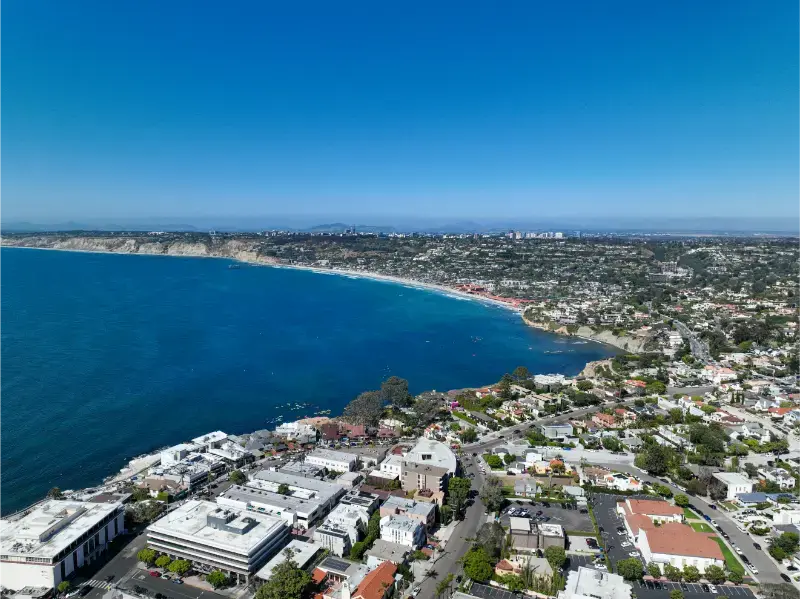
Flying into Los Angeles and out of the Bay Area avoids driving hundreds of miles simply to return a rental car. Compare the airfare and one-way rental fee against the cost of another hotel night, fuel and a full day of backtracking. For many first-time trips, the open-jaw structure wins even when the rental quote is slightly higher.
2. Do not keep the car for every city day
Los Angeles is easier with a car for many itineraries, although Metro and rideshare can reduce driving when you stay near the places you plan to visit. San Francisco is the opposite: parking is expensive and public transportation covers most major visitor areas. A common strategy is to collect the rental car after initial LA days or return it on arrival in San Francisco, then rent again only if needed for Yosemite.
3. Treat Highway 1 as weather-sensitive infrastructure
The classic Big Sur drive is one of the reasons to choose this route, but it should never be the only possible route. Highway 1 reopened through the long Regent’s Slide closure in 2026, yet fire operations and other hazards have still caused temporary closures. Check Caltrans QuickMap close to departure. If the coast is interrupted, US 101 keeps the trip moving and you can still enjoy accessible coastal sections from either side.
4. Book Yosemite earlier than everything else
Yosemite does not require a vehicle entrance reservation in 2026, but lodging and campsites remain the planning bottleneck. If Yosemite is non-negotiable, secure those nights before fine-tuning the rest of the trip. Half Dome and overnight wilderness trips have separate permit systems.
Days 1–3: Los Angeles without wasting half the trip in traffic
Stay three nights in one area that matches your priorities. Our where to stay in Los Angeles guide explains the tradeoffs, while the 3-day Los Angeles itinerary gives a more detailed day-by-day plan. The road-trip version below keeps the first days geographically compact.
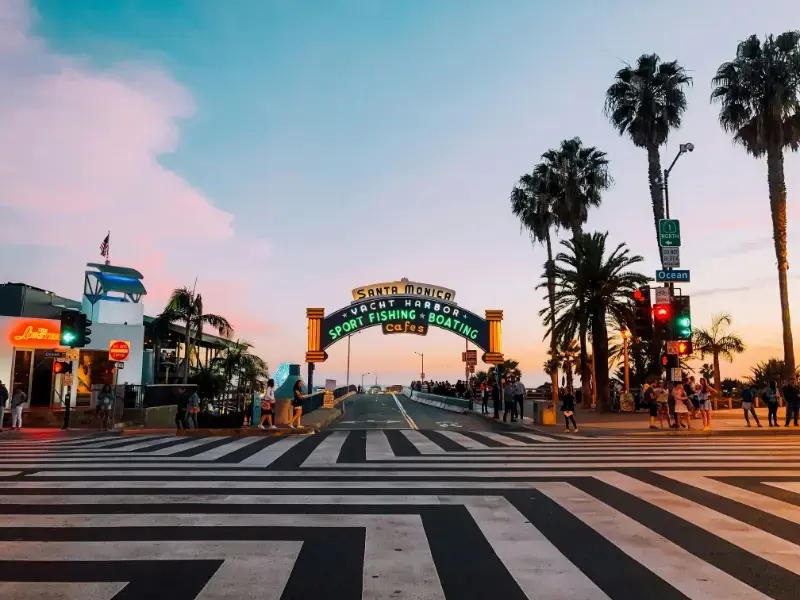
Day 1: Arrival and an easy neighborhood evening
After a long flight, do not schedule a cross-city attraction. Check in, take a local walk, eat near the hotel and adjust to the time zone. If you stay on the Westside, sunset at Santa Monica can work; if you stay central, a neighborhood dinner is enough. Preserve energy for the next two days.
Day 2: Griffith, Hollywood and central LA
Start around Griffith Park and the observatory area, then move through Los Feliz/Hollywood or a museum district depending your interests. The goal is not to spend all day on Hollywood Boulevard. Use the Hollywood Sign, film history and viewpoints as one part of a broader city day.
Day 3: Choose a theme—coast, museums or studios
Pick one major direction. Coast day: Santa Monica, Venice and perhaps the South Bay. Museum/architecture day: Getty Center or Mid-Wilshire museums plus nearby neighborhoods. Entertainment day: Universal Studios Hollywood or a studio tour. Choosing one theme prevents the classic LA mistake of driving diagonally across the city three times.
Day 4: Los Angeles to Santa Barbara
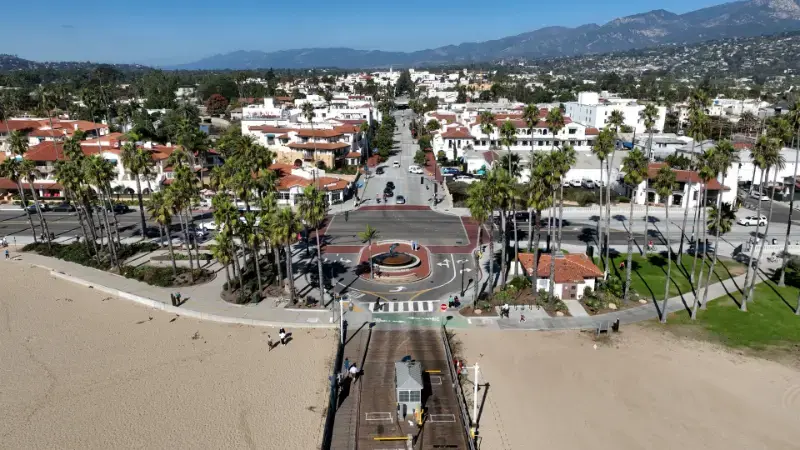
Leave after the worst morning traffic if possible and follow the coast through Malibu when conditions and time allow. Santa Barbara works well as the first road-trip night because it immediately changes the rhythm: walkable center, beach, mountains close behind town and a strong food/wine scene.
Do not turn Malibu into a checklist of beaches. Pick one coastal stop, then reach Santa Barbara early enough to enjoy the waterfront and downtown. If you have more than two weeks, this is an easy place to add a second night.
Day 5: Santa Barbara to San Luis Obispo or Cambria
This is a flexible Central Coast day. You can route through the Santa Ynez Valley for small towns and wine country, continue to Pismo Beach, spend time in San Luis Obispo, or push farther north to Cambria. The choice should reflect what you want from day 6: an early Big Sur start favors a northern overnight; a relaxed food-and-wine day favors San Luis Obispo County.
Avoid the temptation to visit every wine region simply because California is famous for wine. One well-chosen tasting area with a nearby hotel is better than trying to combine wine and long-distance driving.
Day 6: Big Sur and the Monterey Peninsula
If Highway 1 is open through your planned section, make this a low-mileage, high-stop day. Big Sur rewards time at viewpoints, short walks and state parks. Bixby Creek Bridge is photogenic, but the larger appeal is the sequence of cliffs, redwoods and ocean. Continue to Carmel or Monterey for the night.
If a closure interrupts through travel, redesign the day rather than “driving to the barricade.” Explore the accessible coast, then use US 101 around the closure. Always verify conditions the morning of the drive because wildfire response can change faster than travel articles.
Days 7–9: San Francisco
Three nights gives you two full days plus arrival time. Return the rental car if you do not need it. Follow our San Francisco travel guide for neighborhoods and transport details.
Day 7: Carmel/Monterey to San Francisco
Use the morning for Monterey Bay, Carmel or a coastal walk, then continue north. In San Francisco, keep the first evening local: Embarcadero, North Beach, Chinatown, Union Square or the neighborhood around your hotel.
Day 8: Golden Gate, Presidio and waterfront
Build the day around the Golden Gate Bridge and Presidio, then continue along the waterfront or into North Beach. If Alcatraz is a priority, reserve the official ferry in advance and fit the bridge either before or after based on the departure time.
Day 9: Neighborhood San Francisco
Spend the second full day away from the most obvious icons. Golden Gate Park plus Richmond/Sunset works well, or combine the Mission with Castro, Dolores Park and nearby streets. This is the day that makes San Francisco feel like a city rather than a collection of landmarks.
Days 10–12: Yosemite National Park
Collect a rental car in the morning and drive to Yosemite or your gateway town. Do not plan a major hike on the transfer day. Use the arrival afternoon for orientation, a viewpoint or an easy valley walk. Then protect two full days for the park.
Day 11: Yosemite Valley and classic viewpoints
Start early. Combine valley landmarks with one hike suited to your fitness and season. Waterfall conditions change dramatically through the year; spring and early summer generally bring stronger flow, while late summer and fall may be drier. Use the park shuttle where practical and expect parking pressure on peak days.
Day 12: High country, Mariposa Grove or a second valley day
When Tioga Road is open, the high country can become the second day’s focus. In colder months or after heavy snow, that option may disappear. Mariposa Grove provides giant sequoias from the southern part of the park. If neither fits, a slower second valley day is not a compromise—Yosemite benefits from repeat light, weather and viewpoints.
Day 13: Buffer day—use it intelligently
A buffer day may become a second Yosemite morning, a giant-sequoia stop, a Sierra foothill night, or a direct return toward the Bay Area. Its job is to absorb real travel conditions. If every earlier day worked perfectly, use it for something enjoyable rather than inventing another long drive.
Day 14: Departure
Stay near the departure airport if you have an early flight. If your flight is later, a final Bay Area breakfast or short waterfront walk is a better ending than a stressful multi-hour transfer from Yosemite on the same morning.
What this itinerary deliberately leaves out
San Diego, Death Valley, Joshua Tree, Lake Tahoe, Sequoia & Kings Canyon, Napa/Sonoma and the redwood coast are all excellent. They are left out because adding them usually weakens a first two-week route rather than improving it. California is a repeat-visit state. Save a coherent Southern California/desert trip or Northern California/redwoods trip for next time.
Alternative 14-day routes
| Trip style | Better route |
|---|---|
| National parks | Los Angeles → Joshua Tree → Death Valley → Yosemite → Sequoia/Kings Canyon → San Francisco |
| Southern California | Los Angeles → Orange County → San Diego → Palm Springs/Joshua Tree → Santa Barbara |
| Northern California | San Francisco → Sonoma/Mendocino → Redwood coast → Lassen/Shasta → Lake Tahoe |
| Coast-first | Los Angeles → Santa Barbara → SLO/Cambria → Big Sur → Monterey → San Francisco, with extra coast nights |
Road-trip planning details that matter
- Fuel: fill up before remote desert, mountain or Big Sur sections rather than waiting for the warning light.
- Parking: budget for it in cities and never leave luggage visible in a parked car.
- Mountain roads: seasonal snow can affect access well beyond the winter calendar.
- Heat: desert temperature should determine hiking time and route, especially in summer.
- Wildfire: check air quality, road closures and park alerts during fire season.
- Car rental: compare one-way fees and airport surcharges, not only the daily rate.
- Driving time: add stops, traffic and scenic-road pace; map estimates are not sightseeing schedules.
How much should you budget?
California can be expensive because accommodation, parking, fuel and attraction tickets stack quickly. The biggest savings usually come from route design: fewer one-night stays, fewer unnecessary city parking days, one or two paid headline attractions instead of many, and accommodation booked early in high-demand park/coast locations. A cheap hotel that adds an hour of driving twice a day is rarely a true saving.
The best direction: Los Angeles to San Francisco or reverse?
Both work. South-to-north can feel natural because the trip builds from LA to the coast, San Francisco and Yosemite. North-to-south may put the ocean on the passenger side for some southbound coastal segments, which can make pullouts easier, but road closures and the location of your flights matter more than the direction. Choose the version that gives you better airfare, car rental and Yosemite availability.
Official planning sources
- Caltrans QuickMap — current road closures, wildfire traffic impacts and highway incidents
- Visit California – Road Trips — official statewide itinerary inspiration
- Yosemite National Park – Permits & Reservations — 2026 entrance, camping and permit information
- Yosemite National Park – Plan Your Visit — current conditions and park planning
Keep planning California
Refine the route with the best time to visit California, choose bases with where to stay in California, and compare the statewide highlights in the best things to do in California.
Looking for the right place to stay? Compare hotels and accommodation on Booking.com.