

Florida is easy to reduce to beaches and theme parks, but that version misses much of what makes the state unusual. A strong trip can combine subtropical wetlands, coral islands, rocket launches, historic streets, natural springs, Gulf sunsets, Cuban and Caribbean food, and some of the most elaborate entertainment experiences in the world. The challenge is not finding things to do in Florida; it is choosing experiences that fit together geographically.
This guide focuses on experiences that are genuinely worth building a trip around, with practical advice on when they work best and what travelers often overlook. For the big picture, start with our Florida Travel Guide, then use the individual destination guides linked throughout this page.
Florida at a glance: what should you prioritize?
| If you want… | Prioritize… | Why |
|---|---|---|
| Iconic city + beach | Miami & Miami Beach | Art Deco, Latin-Caribbean culture, food, nightlife and ocean in one stop. |
| Theme parks | Orlando | The deepest concentration of major parks and resort infrastructure in the state. |
| Wildlife and wetlands | Everglades National Park | Sawgrass, mangroves, alligators, birds and a landscape unlike any city-based Florida trip. |
| Island road trip | Florida Keys | Overseas Highway, reef experiences, fishing towns and Key West. |
| Quiet Gulf beaches | Sarasota, Anna Maria Island, Naples | Gentler pace, sunset coast and easy beach days. |
| History | St. Augustine | A walkable historic core with Spanish colonial layers and a major fort. |
| Space exploration | Space Coast | Kennedy Space Center and a coastline shaped by the space program. |
| Freshwater Florida | Natural springs | Clear spring runs, paddling and a different side of the state. |
1. Experience Miami beyond the postcard
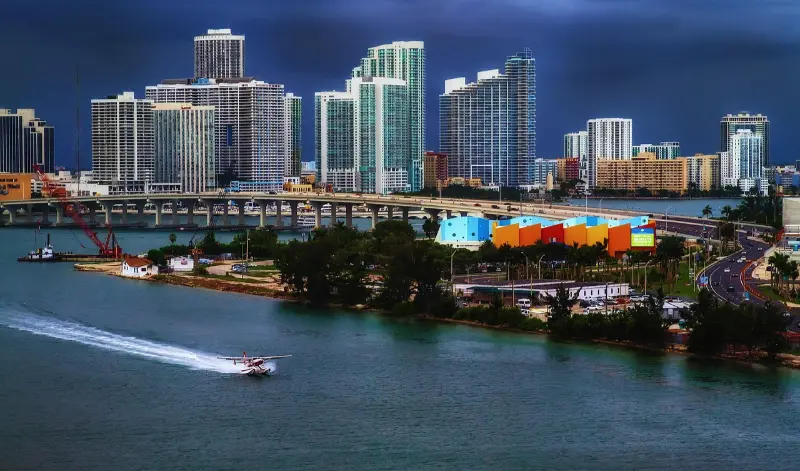
South Beach deserves its reputation for Art Deco architecture, beach life and people-watching, but Miami becomes far more interesting when you treat it as a collection of neighborhoods rather than a single beach resort. Pair Ocean Drive with Little Havana, Wynwood, Coconut Grove, Downtown or Brickell, and the city begins to make cultural sense.
If you have two or three days, use our Miami Travel Guide instead of trying to improvise from one attraction to the next. The most common mistake is assuming everything called “Miami” is close together; the water, causeways and traffic make geography matter.
2. See the Everglades slowly, not only from an airboat
The Everglades is not one swampy viewpoint. It is a vast, shallow river system with sawgrass marsh, cypress, hardwood hammocks, mangroves and Florida Bay. An airboat can be fun in the wider region, but inside Everglades National Park many of the most rewarding experiences are quieter: boardwalks, ranger programs, cycling at Shark Valley, paddling, birding and the long drive toward Flamingo.
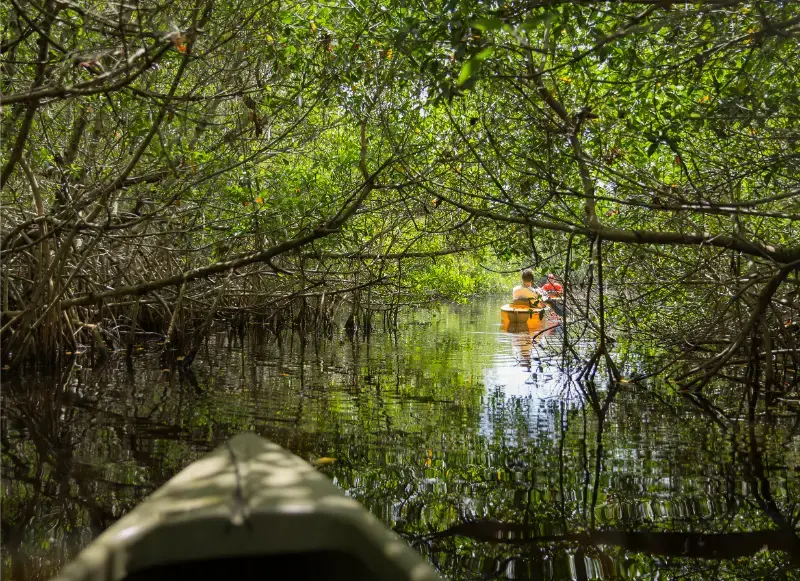
The park changes dramatically with the seasons. The National Park Service describes December through April as the popular dry season, while May through November is wetter, hotter and more insect-heavy. The wet season can be beautiful, but you need a different plan and more flexibility.
3. Drive the Overseas Highway through the Florida Keys
The Florida Keys reward travelers who resist the urge to drive straight to Key West. The island chain changes character from Key Largo to Islamorada, Marathon, the Lower Keys and finally Key West. The road itself is part of the experience, crossing long bridges with open water in almost every direction. Our Florida Keys Travel Guide explains where to stop and how many nights to allow.
What surprises many first-timers is how different the Upper and Lower Keys feel. Key Largo is a strong base for reef and water activities; Islamorada leans into fishing and dining; Marathon is practical for families and central positioning; the Lower Keys feel quieter; Key West is compact, historic and much more urban than the islands before it.
4. Spend a full day in Key West without chasing every landmark
Key West works best as a place to wander. Walk or cycle through Old Town, notice the wooden architecture, visit one or two historic sites, eat something with Cuban or Bahamian influence, and save time for the waterfront near sunset. The famous Southernmost Point buoy is a quick photo stop, not the reason to travel this far.
If you want a major excursion, Dry Tortugas National Park lies about 70 miles west of Key West and is accessible only by boat or seaplane. Because transport capacity is limited, this is an experience to reserve around, not add casually at the last minute.
5. Treat Orlando as more than a theme-park hotel corridor
Orlando is the world-famous theme-park center, but the smartest trips mix high-intensity park days with lower-key time. Winter Park, downtown neighborhoods, lakes, restaurants and local districts give you a reset between long attraction days. Our Orlando Travel Guide covers the practical choices that matter most: where to base yourself, whether you need a car and how to avoid over-scheduling.

For families, the counterintuitive advice is to do less. Two major park days separated by a pool, resort or neighborhood afternoon often create better memories than four consecutive opening-to-closing marathons.
6. Watch Florida launch toward space
The Space Coast is one of Florida’s most distinctive experiences because the landscape and the space program are inseparable. Kennedy Space Center Visitor Complex adds context to the rockets, missions and engineering, while nearby coastal areas can turn a museum-style day into a larger east-coast stop.
Launch schedules change, delays happen and viewing locations vary. If seeing a launch matters, build flexibility into the trip instead of booking a single narrow time window and assuming the schedule cannot move.
7. Walk through St. Augustine after dark
St. Augustine, founded in 1565, is widely promoted as the oldest continuously inhabited European-founded city in the United States. During the day, visit Castillo de San Marcos and the historic streets; in the evening, stay after day-trippers leave and walk the compact center at a slower pace. The combination of fort, architecture, courtyards and coastal setting gives the city a personality unlike South Florida or Orlando.
8. Swim, paddle or float in a natural spring
Central and north-central Florida contain clear freshwater springs that reveal a completely different landscape from the coast. Depending on the site and season, you can swim, snorkel, paddle, tube or simply walk shaded trails along the water. Some springs are also associated with winter manatee viewing, but regulations and access rules vary by location.
Do not treat wildlife encounters as guaranteed entertainment. Water temperature, river conditions and animal movement affect what you see. Choose the spring because the ecosystem interests you, not because a social-media clip promised a particular animal beside your kayak.
9. Give the Gulf Coast at least one sunset
Florida’s Gulf side often feels calmer than the Atlantic side. Sarasota and Siesta Key are excellent for a beach-and-culture combination; St. Petersburg adds museums and an urban waterfront; Naples and Marco Island work well for a slower South Florida finish. Siesta Beach is especially known for unusually fine quartz sand and strong family facilities.
10. Visit Tampa Bay for food, culture and waterfront energy
Tampa and St. Petersburg are often skipped by travelers rushing between Orlando and Southwest Florida. That can be a mistake. Tampa brings Cuban history, sports and a growing food scene; St. Petersburg has major museums, murals and easy access to Gulf beaches. Together they form a strong two- or three-night stop.
11. Explore a quieter barrier island
Some of Florida’s best beach memories happen away from the most famous resort strips. Anna Maria Island, Amelia Island and stretches of the Panhandle can feel more human-scale, with walkable pockets, local restaurants and simpler routines. The trade-off is that parking, bridge traffic and seasonal demand can still be intense, so “quiet island” does not automatically mean empty.
12. Eat Florida as a cultural map
Food is one of the easiest ways to understand how many Floridas exist at once. In Miami, look for Cuban, Haitian, Venezuelan and other Latin-Caribbean influences. In the Keys, seafood and Key lime flavors dominate the tourist imagination, but local menus vary. On the Gulf Coast, grouper and shrimp appear frequently. In inland and north Florida, Southern traditions are more visible.
Instead of creating a restaurant checklist months in advance, learn the specialties of each region and then choose current places when you arrive. That keeps the trip flexible and reduces the risk of building a route around a restaurant that has changed hours or concept.
13. Make a beach choice based on your travel style
- South Beach: best for architecture, energy and nightlife with the sand included.
- Siesta Key: excellent for soft sand, family facilities and Sarasota access.
- Clearwater/St. Pete Beach: useful for Tampa Bay combinations.
- Naples/Marco Island: polished, slower and well suited to a relaxing finish.
- Florida Panhandle: bright Gulf water and long beach-focused stays, but geographically far from South Florida.
14. Add one “Florida-only” day to the itinerary
Every trip should contain one day that could not be transplanted to another state: paddling mangroves, watching alligators from a boardwalk, driving the Seven Mile Bridge, seeing a rocket, snorkeling above a reef or walking a centuries-old fort. That is what separates a Florida vacation from a generic warm-weather break.
How many days do you need for Florida?
| Trip length | What works well |
|---|---|
| 4–5 days | One focused destination: Miami, Orlando, Keys, Tampa Bay or Sarasota. |
| 7–9 days | Two regions that connect naturally, such as Miami + Keys or Orlando + Space Coast + St. Augustine. |
| 10–14 days | A meaningful multi-region road trip without changing hotels every night. |
| 3 weeks | Enough time to combine South Florida, Keys, Gulf Coast and Central/North Florida at a reasonable pace. |
Questions travelers often ask
Do you need a car in Florida?
For a statewide trip, usually yes. Miami and parts of Orlando can be managed selectively without one, but beaches, national parks, the Keys and cross-state travel become much easier with a car. Rental-car toll programs deserve attention before you leave the airport because Florida has extensive electronic tolling.
Is Florida only good in winter?
No. Winter is popular because humidity is lower and South Florida is comfortable, but spring can be excellent, summer works for travelers who accept heat and frequent thunderstorms, and fall can bring lower prices along with tropical-weather risk. The “best” month depends heavily on whether you care most about beaches, parks, wildlife, crowds or budget.
What is the most underrated part of Florida?
For first-time international visitors, the freshwater springs and north Florida are often the biggest surprise because they look nothing like Miami or the Keys. For repeat visitors, Gulf Coast cities and smaller islands can provide the balance that theme-park and South Beach trips lack.
Useful official resources
- VISIT FLORIDA official travel guides
- Everglades National Park — Plan Your Visit
- Florida tourism beach guide
- Florida Keys & Key West official destination site
Planning the wider route? Compare our best places to visit in Florida and two-week Florida road trip.
For deeper planning, use our Everglades National Park guide, best beaches in Florida and St. Augustine guide.
For deeper planning beyond the headline attractions, explore our best natural springs in Florida, Kennedy Space Center guide and Florida with Kids guide.
To go beyond the headline destinations, compare our Destin & Emerald Coast guide, Amelia Island guide, Sanibel & Captiva guide and best small beach towns in Florida.
Looking for the right place to stay? Compare hotels and accommodation on Booking.com.