

A first Arizona week works best when the landscapes have time to change around you. Begin among the desert plants and city streets of Phoenix, spend a few mornings beneath Sedona’s red rocks, then reach the Grand Canyon without needing to leave as soon as the light improves. Page adds sandstone and water to the final part of the journey, but only if you are comfortable with the longer return south.
This is a seven-day road trip with seven nights: one in Phoenix, two in Sedona, two near the Grand Canyon South Rim, one in Page, and a final night back in Phoenix. Fly home the following morning. That final night protects the route from a rushed long-distance drive straight to an important departure. If your entire holiday is only seven calendar days including flights, use the shorter alternative below.
Before booking: decide whether Page belongs in your week
The core of the route is Phoenix, Sedona, and the South Rim. Page adds an Antelope Canyon tour or another focused local experience, but it also adds distance. If you prefer slower mornings, travel with young children, or want substantial hiking time, remove Page and distribute that night elsewhere. A smaller circuit can be the better first encounter with Arizona.
The route assumes a rental car and ordinary paved-road travel. Check vehicle collection and return hours, complete insurance and fee arrangements, and the luggage space you actually need. A larger vehicle is not automatically more comfortable once you consider parking and driving confidence. Fuel and grocery stops belong in the travel day, especially before more remote stretches.
Spring or fall is often the most adaptable starting point for this combination. Summer heat changes the hiking plan, while winter can affect northern roads and paths. Use the month-by-month Arizona guide to select a season, then check forecasts at each overnight stop. Packing for Phoenix alone will not prepare you for an early morning at the canyon.
Day 1: arrive in Phoenix and settle into the trip
Keep arrival day manageable. Collect the car, reach your hotel, and take care of practical supplies before considering a substantial activity. If the flight and weather leave you with energy, choose one nearby visit or a relaxed neighborhood meal. It is enough to feel the desert setting and begin adjusting to the time difference without forcing a long drive north.

Choose Phoenix or Scottsdale according to how you want to spend the evening. Downtown-oriented plans and an Old Town stay differ from a resort visit farther out. The airport connection, parking, and next morning’s departure all matter. With just one arrival night, location may be more useful than a long amenity list you will have little time to use.
Before sleeping, check the next day’s route and Sedona trailhead arrangements. Keep a small bag of walking supplies accessible so you do not need to unpack the whole car to find a hat or jacket. You can also use this evening to confirm a restaurant or tour you particularly care about. Leave the rest flexible enough to respond to how the journey feels.
Day 2: travel to Sedona and enjoy the approach
Leave Phoenix after a proper breakfast and give the drive space for a useful stop. Montezuma Castle can add cultural context if its current hours fit your day; it should replace another activity rather than become an invisible addition. Continue toward Sedona with time to appreciate the Highway 179 approach, where the red-rock formations begin to shape the view ahead.
After checking in, choose a modest outing. A lower Bell Rock area walk or a town-based afternoon may suit arrival better than a demanding scramble. Heat, tiredness, and parking can all affect the decision. Consult the Forest Service recreation map and current notices before starting, then choose a defined route that ends while everyone is still comfortable.
Stay in the same Sedona property for two nights. That gives you one morning without packing and lets the evening develop naturally. Uptown, West Sedona, and the Village of Oak Creek support different plans; compare actual addresses rather than choosing on the destination label alone. Have dinner reasonably close to your base and save an ambitious outing for the next morning.
Day 3: one good Sedona morning, then a change of pace
Choose the morning’s trail around ability, weather, and access. Cathedral Rock’s steep scrambling is a different proposition from a gentler path with views of the formations. The city shuttle site explains which trailheads connect to park-and-ride lots. Confirm service for your date before setting out, including the ride back.
After the walk, pause for lunch and rest. Use the afternoon for the Chapel of the Holy Cross, galleries, or Tlaquepaque, according to interests and current access. Trying to fit all three after a substantial hike can turn a pleasant day into a sequence of hurried arrivals. A useful itinerary lets the morning’s main experience be enough before introducing something quieter.
If hiking is not your priority, make this an art and scenery day instead. A guided outing may add context or access, but compare the complete route and physical requirements. Enjoy a second Sedona evening without moving hotels. The Sedona guide provides more detail on choosing walks and districts, including the important distinction between Oak Creek Canyon and the Village of Oak Creek.
Day 4: reach the South Rim with an uncomplicated afternoon
Travel toward the Grand Canyon and keep the arrival plan relatively simple. Check the park road and weather information before departure, especially in colder months. A stop in Flagstaff can be worthwhile if you want a meal or a particular visit, but it should not consume the whole afternoon you planned for the rim.
For accommodation, use an outside-park base such as Tusayan while checking current operations. On October 18, 2026, NPS lodging information still lists an overnight concession-lodging closure associated with water infrastructure damage. Confirm your precise stay directly with the property. Do not assume a historical village hotel description establishes present availability.
At the canyon, begin with one viewpoint and a suitable short rim walk. Mather Point and the visitor center area can provide an easy-to-understand introduction. Let the scale of the landscape occupy some of the afternoon instead of immediately boarding several buses. If you want evening light, know how you will return to the car or hotel and carry the layers you need.
Day 5: give the Grand Canyon a full day
Use your full day for a coherent area rather than every famous point. A morning rim walk followed by the village and selected Hermit Road overlooks can work well when the seasonal shuttle is operating. Alternatively, choose a carefully planned short descent and keep the afternoon lighter. A below-rim hike is the main physical activity of the day, not a quick extra between drives.
Current trail conditions are crucial. The hiking bulletin at this check closes Bright Angel below Mile-and-a-Half Resthouse toward Havasupai Gardens through October 22, and several inner-canyon routes remain unavailable. North Kaibab and Phantom Ranch are closed. Build your outing from confirmed open sections and appropriate conditions, without trying to preserve an old route at all costs.
A second night near the South Rim lets you end the day without another regional transfer. Have a meal, organize the next morning’s belongings, and leave time to rest. This is the part of the week where staying put pays off: you have seen the canyon from several perspectives and can depart without feeling that the entire visit happened between arrival and a check-out deadline.
Day 6: Desert View toward Page, with one main booking
If conditions permit, leave through the eastern side using Desert View Drive. Select a couple of stops and allow time at Desert View itself. Lipan Point is currently closed for work, so use the official scenic-drive information before choosing viewpoints. Seasonal food-service closures mean you should carry provisions instead of relying on every stop to supply lunch.
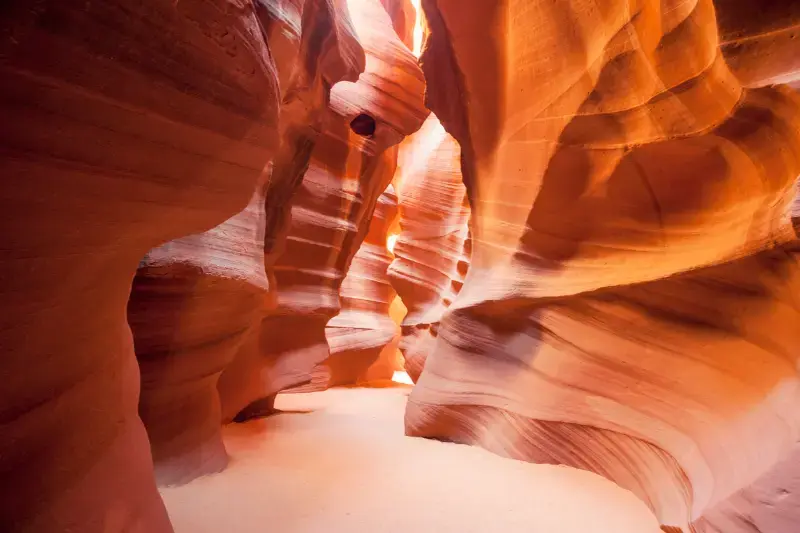
Continue toward Page and treat any canyon-tour check-in as a hard commitment. Book only when the departure time leaves a generous margin for the whole morning, road travel, parking, and the operator’s required early arrival. For a more relaxed version, keep the Page afternoon for Horseshoe Bend and arrange the tour early the next morning, accepting that it will make Day 7 longer.
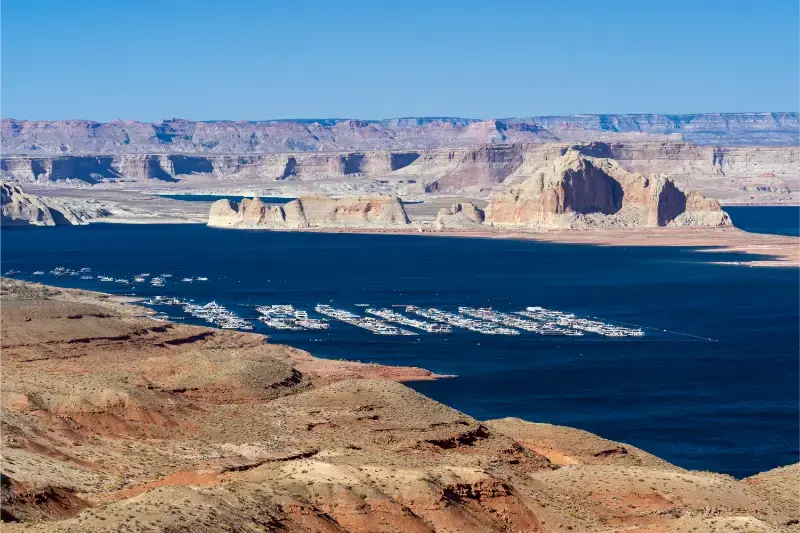
One night is a compact Page visit. Pick Antelope Canyon, a lake experience, or another priority rather than expecting all of them to fit comfortably. A slot-canyon reservation does not include Horseshoe Bend parking or a Lake Powell outing. Use the Page planning guide to decide what matters most, and keep the hotel’s cancellation terms in view if the main activity is weather-sensitive.
Day 7: finish the Page visit and return to Phoenix
If your Antelope tour is this morning, confirm the meeting point and the time convention shown on the booking. Follow the operator’s instructions rather than relying on a phone that may switch time zones near the Navajo Nation. Take the tour without placing another tight reservation immediately after it. The advertised experience duration may exclude the required check-in interval.
The return to Phoenix is a substantial drive, so leave the rest of the day for travel and necessary breaks. Do not add Monument Valley as an extra detour on this version. Reach the Phoenix area for the final night, choose a practical meal, and arrange the airport transfer or rental return. That last overnight is part of the seven-night plan, not an unmentioned addition.
If you want a quieter final day, reverse the choice made earlier: remove Page and travel south from the Grand Canyon with a useful stop. You can then spend the last night enjoying a little more of Phoenix or Scottsdale. The most appropriate route is the one that leaves the group glad to be traveling on the final afternoon.
If you have only seven calendar days including flights
Use six nights and omit Page: Phoenix one night, Sedona two, South Rim area two, then Phoenix one. Day 1 is arrival, Days 2 and 3 Sedona, Days 4 and 5 the canyon, Day 6 the return south, and Day 7 departure. You retain a full day in each northern base without attaching a long remote drive to the flight home.
For more time, add a second Page night before adding another region. That creates room for a canyon tour and a separate lake or overlook outing. Monument Valley deserves an additional deliberate stay and a revised return route; Tucson and Bisbee belong to a different extension. A longer trip becomes more rewarding when added nights support experiences rather than simply increasing the number of hotel addresses.
Make the costs and reservations work together
Reserve the defining accommodation and any essential guided tour first. Then compare park fees and qualifying pass coverage for the party. Grand Canyon’s 2026 nonresident supplements can affect travelers age sixteen and older, while tribal entry and municipal parking remain separate charges. Use NPS fees and the Navajo Nation's Antelope rules instead of assuming one parks pass pays for the circuit.
Use the budget tool below with your own complete quotes. Count a shared room or rental charge once, include taxes and mandatory fees, and keep optional spending separate enough to change. The route is ready when the nights, main experiences, and transfers fit together. Leave a few unassigned hours so the first Arizona week can still surprise you.
Compare the options
| Choice | What it offers | Planning detail |
|---|---|---|
| Night 1 | Phoenix | Arrival and practical supplies |
| Nights 2–3 | Sedona | A full day without packing |
| Nights 4–5 | South Rim area | Confirm current outside-park lodging |
| Night 6 + night 7 | Page + Phoenix | Return south before next-morning flight |
Find your bearings
Open the map in a new tab · Orientation map; use the official local map for trail access and closures.
Budget this Arizona route
Use complete quotes in U.S. dollars for the route you choose. Room cost is for the whole party per night, not per person. Include taxes and mandatory fees. The main route uses seven nights; change the number for the shorter version or other stays.
Formula: nights × group room quote + days × travelers × daily food + total transport + total admissions and activities. Only your entries are used; this does not retrieve prices or check availability.
Frequently asked questions
How many nights does the main itinerary use?
Seven, with the flight home on the following morning. The separate seven-calendar-day alternative uses six nights and omits Page.
Can I add Monument Valley to the same days?
That would add substantial travel. Add time and revise the route, or remove another destination.
Does the budget tool supply live prices?
No. It totals the complete quotes and spending amounts you enter; availability and fees require separate checks.
Plan the next part of your trip
- Best Places to Visit in Arizona: 15 Destinations Worth the Trip
- Where to Stay in Arizona: Best Bases for Every Type of Trip
- Page Arizona Travel Guide: Antelope Canyon, Horseshoe Bend & Lake Powell
Arrange your stay and activities
Some booking links below are affiliate links. We may earn a commission if you book through them.
Compare stays: Arizona road tripBrowse tours and experiencesCompare rental cars
Match the location, meeting point and cancellation terms to your itinerary before booking.
Official sources and visitor information
- Coconino National Forest: Red Rock recreation guide and trail map
- City of Sedona: trailhead transit and current routes
- Grand Canyon: weather forecasts and road conditions
- Grand Canyon: overnight lodging closure notice and alternatives
- Grand Canyon: October 15, 2026 trail closures and water bulletin
- Grand Canyon: Desert View Drive and Lipan Point closure
- Grand Canyon: entrance fees, annual passes and nonresident charges
- Navajo Nation: Antelope Canyon access and tribal fees
Last updated: October 18, 2026.