

Destinations › Southwest › Arizona › Arizona with Kids
Arizona can be an outstanding family destination, but the adult version of an Arizona road trip needs editing before you bring children. Long drives, exposed hikes and temperature swings are manageable when every day includes a child-sized win: a short trail, wildlife, a train, a pool, a science stop or time to climb and explore safely. The goal is not to make children endure the adult itinerary more cheerfully.
This guide focuses on pacing, safety and bases that work for families, from Grand Canyon and Sedona to Phoenix, Tucson and Route 66. It also explains when to skip a famous hike because the family experience matters more than checking a box.
At a glance
| Question | Best answer |
| Ideal first trip | 7–10 days |
| Best first route | Phoenix → Sedona → Grand Canyon |
| Best age strategy | Short hikes + interactive stop + pool/rest |
| Summer rule | Outdoor time at sunrise; afternoons protected from heat |
| Biggest mistake | Too many long drives on consecutive days |
Best Arizona experiences with kids
Grand Canyon South Rim: huge impact with little hiking
Families do not need an inner-canyon hike to understand the Grand Canyon. The Rim Trail, shuttle system and viewpoints let children experience scale without a punishing climb. Junior Ranger activities can turn geology and wildlife into a mission rather than a lecture.
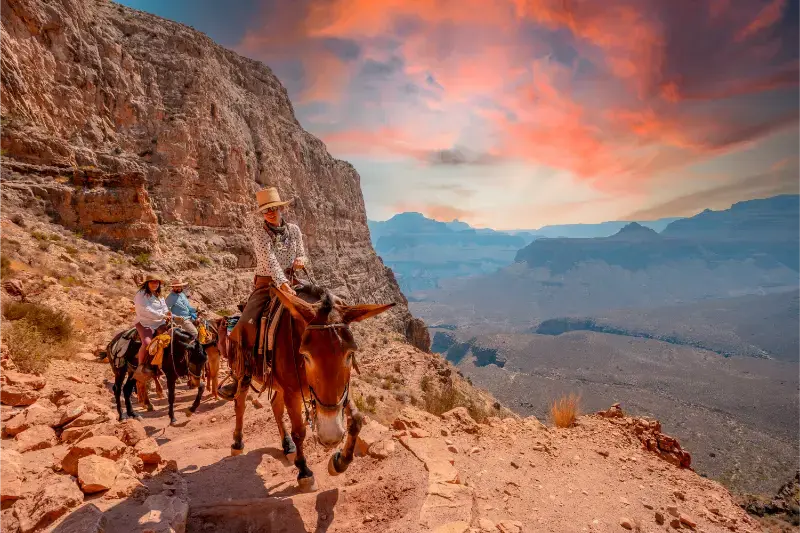
Keep young children well back from unguarded edges and do not assume every viewpoint has railings.
Sedona: choose playful terrain over mileage
Bell Rock area, easy creek stops and short scenic walks can be better with children than a famous steep scramble. The shuttle can also make transport feel like part of the adventure while removing parking stress at certain trailheads.
For younger children, one “big” hike every other day is usually enough.
Phoenix: science, animals and desert learning
Phoenix gives families strong indoor and structured outdoor choices. Papago Park, Phoenix Zoo, Desert Botanical Garden and Arizona Science Center can absorb a hot or low-energy day. The official Visit Arizona family guide also highlights statewide family attractions such as Bearizona, Lowell Observatory and museums.
A hotel pool is not wasted time in Arizona; it is often the reason the evening goes well.
Bearizona and Williams
Near Williams, Bearizona can break up a road-trip day with a wildlife-focused experience before or after Grand Canyon. Williams also adds trains, Route 66 lights and casual dining that many children find more immediately engaging than another scenic overlook.
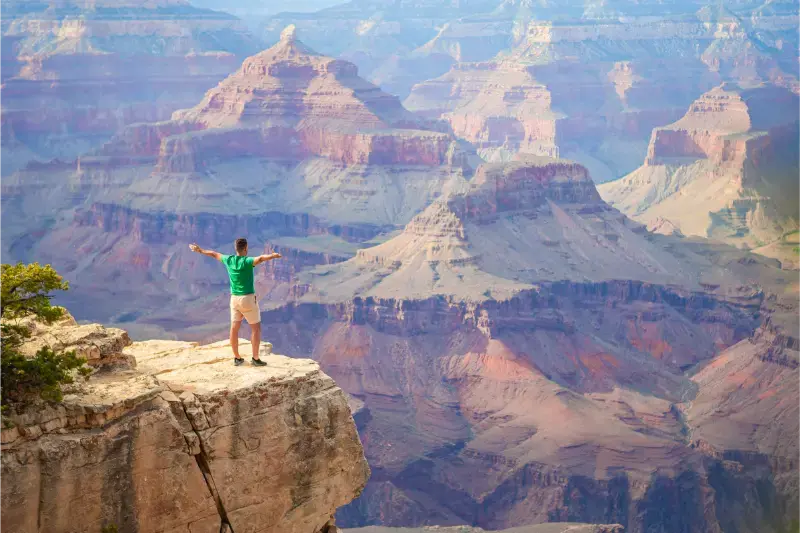
Use these stops as pacing tools rather than cramming them into a Grand Canyon sunrise-to-sunset marathon.
Lowell Observatory and Flagstaff
Flagstaff offers cooler air, pine forest and the chance to shift from desert geology to astronomy. Lowell Observatory can be memorable for school-age children, especially when the sky is clear and bedtime flexibility allows evening programs.
The elevation means nights can be cold even after a hot Phoenix day, so carry layers.
Page and Antelope Canyon with children
Page can work very well for families, but check minimum ages, mobility requirements and policies with the specific Antelope Canyon operator. Lower Antelope’s stairs may be harder for some families, while other guided canyons may have different requirements.
Horseshoe Bend has exposed edges, so hand-holding and close supervision are non-negotiable with young children.
Saguaro and Tucson
Saguaro National Park offers short desert walks and scenic drives, while Tucson adds the Arizona-Sonora Desert Museum and family-friendly food. This combination is excellent for children who enjoy animals more than long hikes.
Visit the park early, then move to a structured attraction when heat rises.
Route 66: use towns as drive-day rewards
Route 66 towns help break long northern Arizona drives with neon, diners, roadside signs and easy walking. Seligman, Williams and Kingman can turn a transfer day into an experience without requiring another trail.
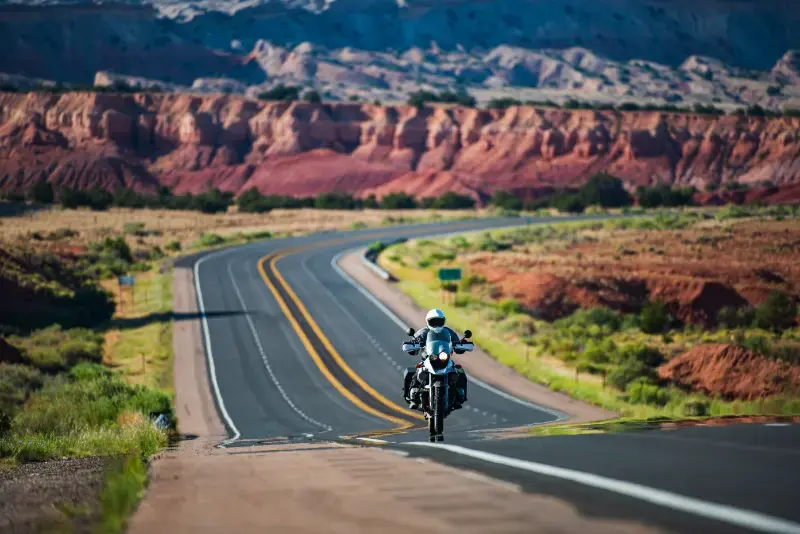
Give children a simple scavenger hunt for signs, classic cars or state-license plates to make road time more interactive.
How to plan the trip without overpacking the day
Family Arizona trips need shorter driving blocks than adult itineraries. A three-hour mapping estimate can become five hours after bathroom, snack, photo and playground stops. Build those stops into the plan instead of treating them as delays.
Choose one anchor activity per day and label everything else optional. When the anchor goes well, the day feels successful even if heat, fatigue or weather removes the second hike.
Best time to go
Spring break and fall school holidays can be excellent but busy. Winter is comfortable in Phoenix/Tucson and cold or snowy around Grand Canyon/Flagstaff. Summer is possible if the route emphasizes high elevation and resorts, but low-desert outdoor activity needs dawn starts.
Children heat up faster and may not recognize dehydration early. Carry water, salty snacks, sun protection and a firm turnaround time rather than asking whether everyone “feels okay” after symptoms begin.
Getting there and getting around
A rental car is usually essential for a family route. Choose enough cargo space for water, layers and snacks, and avoid changing hotels every night. Two- or three-night bases reduce packing stress and improve sleep.
Download entertainment and maps before long remote drives. Cell service can be limited around national parks and Navajo Nation roads.
Where to stay and how many nights
Compare available accommodation for your dates, budget and preferred location before you finalize your route.
Phoenix/Scottsdale hotels with pools, Sedona properties with easy parking and Grand Canyon lodging close to the rim all reduce daily friction. Paying slightly more for the right location can save hours of family car time.
For a seven-night first trip, use roughly two nights Phoenix/Scottsdale, three Sedona/Flagstaff area and two Grand Canyon/route transition nights rather than changing beds nightly.
Compare accommodation: compare hotels and other stays on Booking.com.
A simple first-time itinerary
- Days 1–2: Phoenix/Papago Park + pool/science or zoo
- Days 3–4: Sedona short hikes, creek time, shuttle experience
- Days 5–6: Grand Canyon South Rim + Williams/Bearizona option
- Day 7: Flagstaff/Lowell or relaxed return toward Phoenix
Older children and teens can handle a Page extension; younger families may enjoy using the saved driving time for an extra pool or wildlife day.
Common mistakes to avoid
- Using an adult hiking itinerary with children
- Scheduling long drives on consecutive days
- Skipping midday rest in hot weather
- Assuming every canyon viewpoint is fenced
- Changing hotels every night
Children often remember the pool, train, animal or ranger interaction as strongly as the famous landscape. Build those moments into the trip on purpose.
Build this into a wider Arizona trip
For a family first trip, start with the 7 Days in Arizona itinerary and simplify it further. The Sedona activities guide helps select short and flexible red-rock experiences.
Useful official resources
More Arizona planning
- Arizona Travel Guide
- Best Things to Do in Arizona
- Arizona Road Trip: 10–14 Days
- Best Time to Visit Arizona
- 7 Days in Arizona
- Best Things to Do in Sedona
Extra practical advice
One useful way to improve the itinerary is to protect the first hour of the day. In Arizona, the early window often has cooler temperatures, softer light, easier parking and more wildlife activity. Use that hour for the experience that would be hardest to repeat later, then let breakfast, shopping or a scenic drive absorb any delays. This simple habit also reduces the temptation to rush when a trail, tour or road takes longer than expected.
Build a backup that is genuinely different from the main plan. If the primary activity is an exposed hike, the backup should not be another exposed hike nearby. Choose an indoor museum, a shaded creek, a scenic drive, a pool block or a town experience. Arizona weather can vary sharply by elevation, and a good backup lets you respond to heat, storms or wind without feeling that the day has been lost.
For road trips, measure difficulty by the entire day rather than by drive time alone. A two-hour transfer after a sunrise hike, restaurant stop and sunset viewpoint can feel harder than a four-hour morning drive with no commitments. Keep arrival evenings light, avoid nonrefundable dinner reservations after long desert legs and refuel before remote highways. The best road-trip days end with enough energy to enjoy where you arrived.
Photography can quietly consume a trip if every overlook becomes a production. Pick one or two places where light matters, then allow the rest of the day to be experienced without chasing perfect conditions. This is particularly useful in the Southwest, where cloud cover, dust, monsoon storms and seasonal sun angles can make the landscape look completely different from reference photos. A flexible traveler usually comes home with better memories and often better images.
One useful way to improve the itinerary is to protect the first hour of the day. In Arizona, the early window often has cooler temperatures, softer light, easier parking and more wildlife activity. Use that hour for the experience that would be hardest to repeat later, then let breakfast, shopping or a scenic drive absorb any delays. This simple habit also reduces the temptation to rush when a trail, tour or road takes longer than expected.
Build a backup that is genuinely different from the main plan. If the primary activity is an exposed hike, the backup should not be another exposed hike nearby. Choose an indoor museum, a shaded creek, a scenic drive, a pool block or a town experience. Arizona weather can vary sharply by elevation, and a good backup lets you respond to heat, storms or wind without feeling that the day has been lost.
Continue the family road trip into Utah
Families continuing north can use the Utah family guide and seven-day itinerary to keep the next state realistic.