

Destinations › West › Utah › Zion National Park
Zion is Utah’s most logistically demanding park, but the complexity is manageable once you understand three systems: the seasonal canyon shuttle, the Angels Landing permit and the weather-dependent nature of river hikes such as the Narrows.
Compare available accommodation for your dates, budget and preferred location before you finalize your route.
A strong first visit normally uses Springdale as a base, gives the park two nights and avoids scheduling every famous hike on the same day. The canyon is compact on a map, but shuttle queues, heat, trail congestion and changing conditions can turn a short plan into a full day.
Zion at a glance
| Question | Best answer |
| Best base | Springdale |
| Ideal first stay | 2–3 nights |
| Main canyon transport | Free seasonal shuttle |
| Angels Landing | Permit required beyond Scout Lookout |
| Narrows bottom-up | No permit normally required, conditions control access |
| Best shoulder seasons | Spring and fall |
2026 shuttle schedule
Zion Canyon shuttle service resumed March 7, 2026. During shuttle season, private vehicles are generally not allowed on Zion Canyon Scenic Drive, including before the first shuttle and after the last one. No shuttle reservation or ticket is required.
From September 13 through October 24, the first canyon shuttle leaves at 7:00 a.m., the last outbound shuttle leaves the Visitor Center at 6:00 p.m., and the last shuttle out of the canyon leaves Temple of Sinawava at 7:15 p.m. The schedule changes again after October 24, so verify your exact date.
How to use the shuttle intelligently
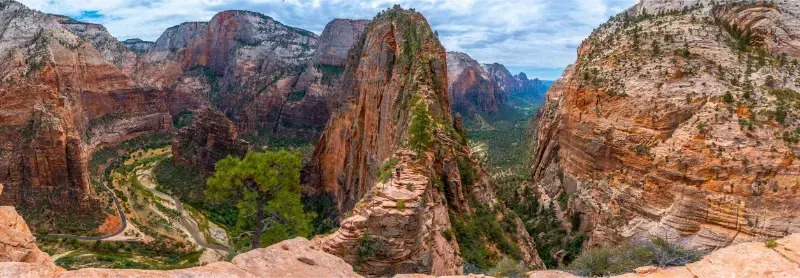
The shuttle is not a sightseeing bus you need to ride from end to end. Build the day around one or two stops. If the Narrows is your priority, go directly to Temple of Sinawava. If West Rim or Angels Landing is the goal, use The Grotto. Avoid unnecessary back-and-forth because a one-way canyon ride can take roughly 45 minutes.
Springdale’s free town line can reduce parking stress. Staying near a town shuttle stop is often more useful than staying at a hotel with a slightly better room.
Angels Landing permits in 2026
Permits are required every day and at all times for the chain section between Scout Lookout and Angels Landing. Zion uses seasonal lotteries plus a day-before lottery. The day-before application window runs from 12:01 a.m. to 3:00 p.m. Mountain Time, with results at 4:00 p.m.
You do not need an Angels Landing permit to hike the West Rim Trail to Scout Lookout. For many visitors, Scout Lookout is already an excellent and less stressful destination.
The Narrows
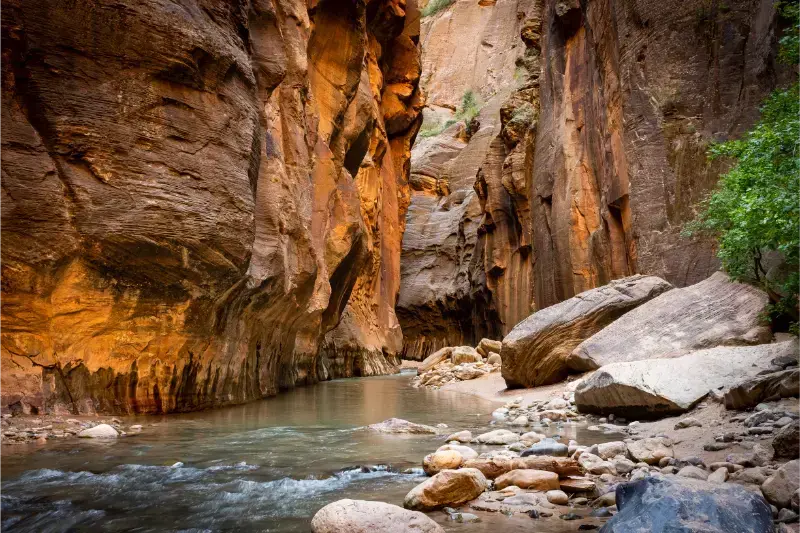
The bottom-up Narrows route starts after the Riverside Walk at Temple of Sinawava. No permit is normally required for this upstream day hike, but river flow, water temperature, flash-flood potential and closures determine whether it is safe.
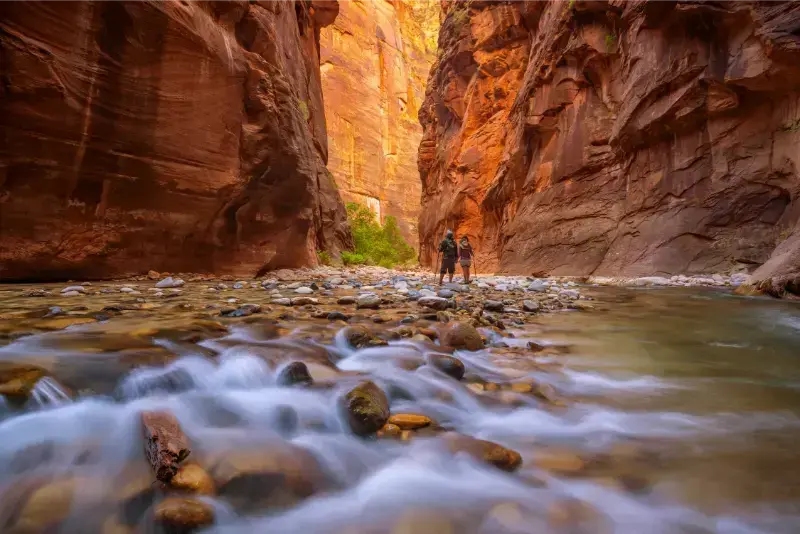
Renting river shoes is optional, not magic. The key is traction, warm-enough layers, a dry bag for essentials and a willingness to turn around. Never enter because another group is doing it; check official conditions yourself.
Canyon Overlook and east Zion
Canyon Overlook is a short but exposed-feeling trail near the Zion–Mt. Carmel Highway. Parking is limited and fills early. The east side of the park also provides a different landscape of slickrock, ponderosa and cross-bedded sandstone.
Large-vehicle restrictions on the historic Zion–Mt. Carmel Highway changed in June 2026. RVs, buses and vehicles near size thresholds should check current NPS requirements before routing through the tunnel corridor.
Best easier experiences
- Pa’rus Trail near sunset.
- Riverside Walk when river conditions make the Narrows unsuitable.
- Lower Emerald Pools when open and conditions are comfortable.
- Human History Museum and canyon viewpoints.
- Short walks and viewpoints on the east side.
One-day Zion itinerary
Start early with your highest-priority hike, then use midday for a slower canyon walk or lunch in Springdale. Return later for Pa’rus Trail or Watchman-area light. One day is enough for a memorable visit, but not enough to sample every signature trail safely.
Two-day Zion itinerary
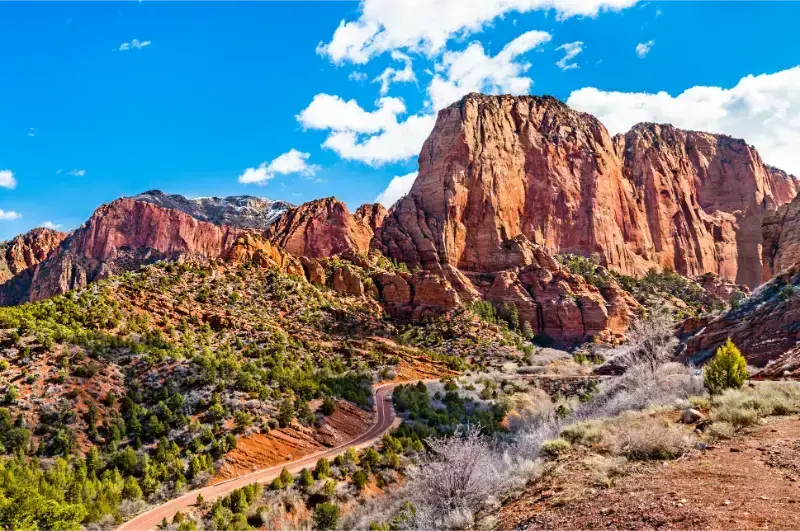
Day one can focus on the main canyon: West Rim/Scout Lookout or Narrows, plus an easier evening. Day two can explore the east side, Canyon Overlook, Kolob Canyons or a backup hike based on weather. This is the best first-trip structure because it creates redundancy when conditions change.
When to visit Zion
Spring and fall offer the best overall hiking conditions, but each has weather variability. Summer requires early starts and serious heat planning. Winter can be quiet and beautiful, with periods when private vehicles can drive the canyon because regular shuttle service is paused.
Common Zion mistakes
- Driving to the canyon during shuttle season and expecting trailhead parking.
- Assuming Angels Landing is required for a “real” Zion visit.
- Entering the Narrows without checking flash-flood risk.
- Booking one night and arriving late, then expecting a full park day.
- Waiting for the final shuttle out of the canyon.
Official 2026 resources
Continue planning your Utah trip
- Utah Travel Guide
- Best Things to Do in Utah
- Utah Road Trip: Mighty 5
- Best Places to Visit in Utah
- Best Time to Visit Utah
- Where to Stay in Utah
- Zion National Park Travel Guide
- Bryce Canyon National Park Travel Guide
- Arches National Park Travel Guide
- Moab Travel Guide
- Canyonlands National Park Travel Guide
Parking strategy in Springdale
If your hotel includes parking and sits near a Springdale shuttle stop, leave the car there when possible. Public parking near the pedestrian entrance can fill early. The best Zion days start with a transport plan before they start with a hiking plan.
Frequently asked questions
Do I need a reservation to enter Zion?
No general reservation is required. The shuttle is also free and needs no ticket, but Angels Landing has its own permit.
Can I drive Zion Canyon?
During shuttle season, private vehicles generally cannot drive Zion Canyon Scenic Drive.
How many days in Zion?
Two nights is a strong minimum; three gives flexibility for hiking conditions and the east side.
Final planning checklist
- Check official park conditions 24–48 hours before major hikes.
- Download offline maps before leaving gateway towns.
- Carry water, sun protection and a warm layer even when the forecast looks simple.
- Keep one activity per day flexible for parking, storms or heat.
- Avoid scheduling a long drive immediately after a demanding sunset hike.
A deeper planning strategy
A successful Zion day begins the evening before. Check the shuttle schedule, river conditions, heat forecast and any permit status before going to sleep. Pack water and food, decide which stop matters most and know the last shuttle time out of the canyon. In the morning, avoid wasting the coolest hours discussing options at the visitor center. Go directly to the priority hike, then let the rest of the day become flexible. This is especially useful in 2026 because crowds, heat and weather can all change the practical plan. Zion rewards decisiveness early and flexibility later: one meaningful hike, one easier canyon experience and an unhurried evening in Springdale is often a better day than attempting four famous stops.
Where to stay for Zion
Springdale is the best first-time base because the town shuttle connects with the pedestrian entrance and restaurants are close enough for a car-free evening. Staying in Hurricane or St. George can save money, but the commute makes early hiking and late canyon light less convenient.
If Zion is one stop in a larger road trip, two nights in Springdale is the practical minimum. Three nights are better when Angels Landing, the Narrows or a weather-sensitive hike is important because you gain a backup day.
Compare accommodation: compare hotels and other stays on Booking.com.
Kolob Canyons and the quieter side of Zion
Kolob Canyons lies off Interstate 15 and feels separate from Zion Canyon. The scenic drive and trails provide a useful alternative when the main canyon is extremely busy or when your route is heading toward Cedar City. It does not replace Zion Canyon on a first visit, but it adds a different perspective on the park.
East Zion also deserves time. The road toward the East Entrance passes slickrock, Checkerboard Mesa and short trail opportunities. This area works well on the transfer day toward Bryce because you can explore without returning to Springdale.
Zion with kids and mixed-ability groups
Families do not need Angels Landing or the Narrows to have a strong Zion trip. Pa’rus Trail, Riverside Walk, shorter Emerald Pools segments when open, museum stops and shuttle rides provide variety. The canyon walls create drama even from accessible areas.
For mixed-ability groups, split for one major hike and reunite for a later easy walk or Springdale meal. Trying to force everyone onto the same exposed or water-based trail is one of the quickest ways to turn a beautiful park day into a stressful one.
A three-day Zion plan
Day one: use the main canyon shuttle for your priority hike and an easy evening walk. Day two: choose the Narrows or West Rim depending on conditions and permits. Day three: explore east Zion, Canyon Overlook, Kolob Canyons or a slower backup day.
Three days may sound excessive on a map, but it is ideal for travelers who care about hiking. It gives the park room to change the plan because of heat, river flow, crowds or thunderstorms without forcing you to abandon the trip’s main goal.
Plan Zion hikes separately
For trail-by-trail decisions, use the dedicated hiking guide and family itinerary.
- Zion Hiking Guide
- Utah with Kids
- 7 Days in Utah