

Destinations › Southwest › Arizona › Arizona Road Trip
A great Arizona road trip is not about covering the most miles. It is about linking landscapes that feel dramatically different without spending every afternoon behind the wheel. Ten to fourteen days is the sweet spot for a first trip because it gives Grand Canyon and Sedona real time, then lets you choose between Page/Monument Valley, Route 66 or southern Arizona without reducing every stop to one night.
This itinerary uses Phoenix as the easiest default airport, but you can reverse it, start from Las Vegas, or build an open-jaw route if airfare and rental-car fees make sense. The exact sequence matters less than avoiding unnecessary backtracking and protecting your best outdoor hours from long drives.
- 1Day 1: Arrive in Phoenix or Scottsdale
- 2Day 2: Phoenix desert morning, then drive to Sedona
- 3Day 3: Sedona hiking day
- 4Day 4: Sedona + Verde Valley or Oak Creek
- 5Day 5: Sedona to Grand Canyon South Rim via Flagstaff
- 6Day 6: Grand Canyon South Rim full day
- 7Day 7: Grand Canyon to Page via Desert View
- 8Day 8: Page — Antelope Canyon and Horseshoe Bend
- 9Day 9: Page to Monument Valley
- 10Day 10: Monument Valley to Flagstaff or Route 66
- 11Day 11: Route 66 or Petrified Forest option
- 12Day 12: Return to Phoenix
At a glance
| Trip length | Best shape |
| 10 days | Phoenix → Sedona → Grand Canyon → Page → Phoenix |
| 12 days | Add Monument Valley and Flagstaff/Route 66 |
| 14 days | Add Tucson/Saguaro or a slower northern loop |
| Best seasons | Spring and fall for the broadest comfort range |
| Car? | Essential for this itinerary |
The best 12-day Arizona road trip
Day 1: Arrive in Phoenix or Scottsdale
Pick up the car, keep the first afternoon light and resist driving to Sedona after a long flight if you are tired. A desert walk near sunset, Old Town Scottsdale or an early dinner gives you time to adjust and protects the next morning.

Day 2: Phoenix desert morning, then drive to Sedona
Use the cool morning for a short Sonoran Desert hike or garden visit, then drive north. The scenery changes quickly with elevation. Arrive in Sedona early enough for a gentle sunset viewpoint rather than beginning with your hardest hike.
Day 3: Sedona hiking day
Choose one major hike and one easier experience. Cathedral Rock, Devil’s Bridge and Soldier Pass are popular, but the best trail depends on heat, parking and comfort with exposure. Use Sedona Shuttle trailhead routes when operating and avoid building your day around three distant trailheads.
Day 4: Sedona + Verde Valley or Oak Creek
A second Sedona night dramatically improves the trip. Use it for West Sedona trails, Red Rock Loop, Chapel area, Verde Valley, Jerome or a slower Oak Creek Canyon day. This is your flexibility day if weather disrupted Day 3.
Day 5: Sedona to Grand Canyon South Rim via Flagstaff
Drive through Oak Creek Canyon if conditions suit. Stop in Flagstaff for lunch or Route 66 atmosphere, then continue to the South Rim. Check into rim or Tusayan lodging before sunset. Do not plan a long inner-canyon hike after a driving day.
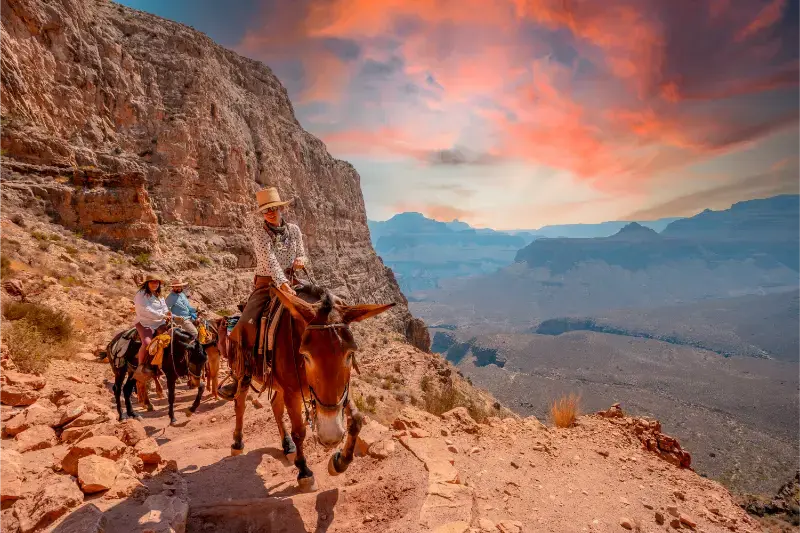
Day 6: Grand Canyon South Rim full day
Start with sunrise if energy allows, then use the shuttle system and Rim Trail. Choose a short below-rim hike only if conditions are good. Hermit Road viewpoints and Desert View Drive should not both be rushed into the same two-hour block.
Day 7: Grand Canyon to Page via Desert View
Exit east through Desert View Drive so the drive itself becomes sightseeing. Continue toward Page after the Watchtower and viewpoints. Arrive with enough daylight to orient yourself rather than squeezing Horseshoe Bend and a canyon tour into the same arrival window.
Day 8: Page — Antelope Canyon and Horseshoe Bend
Book the guided canyon tour first because it has a fixed time. Place Horseshoe Bend around temperature and light. Add Lake Powell only if the schedule stays comfortable; do not let a boat excursion make you late for a reserved slot-canyon tour.
Day 9: Page to Monument Valley
Drive to Monument Valley Navajo Tribal Park and slow down. A guided Navajo tour can add access and cultural context beyond the standard scenic loop. Stay nearby if possible so sunrise or sunset is part of the experience rather than another long round trip.
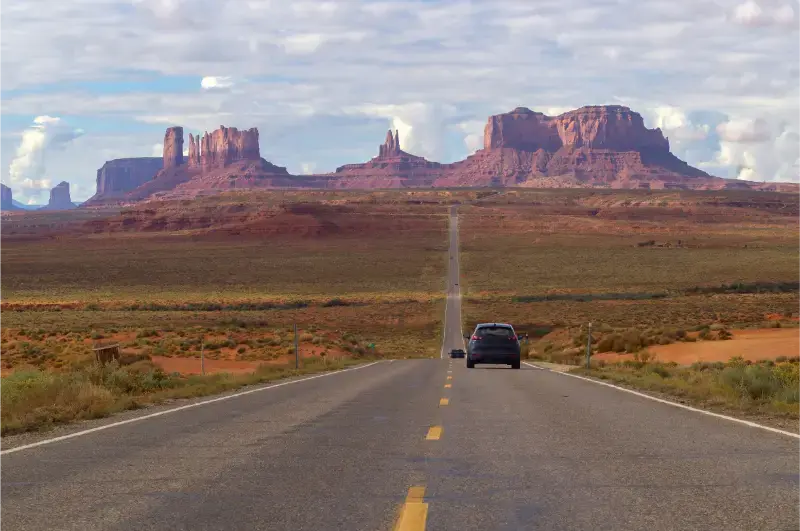
Day 10: Monument Valley to Flagstaff or Route 66
Return toward Flagstaff, or angle to Williams depending on the next day. This is a useful decompression day: scenic driving, roadside history and a relaxed evening rather than a third major hike.
Day 11: Route 66 or Petrified Forest option
Choose one: spend the day on a classic Route 66 section through Williams/Seligman, or make a longer eastward detour toward Petrified Forest. Do not attempt both unless you enjoy very long driving days.
Day 12: Return to Phoenix
Drive south with time for lunch and a final desert stop. If your flight is early, spend the previous night closer to Phoenix rather than gambling on a long same-day transfer.
How to compress this itinerary to 10 days
Remove either Monument Valley or the Route 66/Petrified Forest day, and combine the transition nights more aggressively. Keep two nights in Sedona and at least one full Grand Canyon day. Those are the places most damaged by over-compression.
A common mistake is cutting nights rather than destinations. One night in five different places creates repeated packing, parking and check-in friction. A better ten-day trip uses fewer bases and longer day trips.
How to extend it to 14 days
Add Tucson and Saguaro National Park for a major ecological contrast, or add a slower northern-Arizona section with Flagstaff, Route 66 and Petrified Forest. If you travel in summer, southern Arizona can be brutally hot, so a northern extension may be more comfortable.
Another strong 14-day version simply keeps the same route but adds one extra night in Sedona and one extra night around the Grand Canyon/Page corridor. More time does not have to mean more destinations.
Driving times: treat map estimates as minimums
Arizona road-trip days expand because scenic pullouts, fuel, construction, wildlife, food and weather add time. Never schedule a timed tour immediately after a long drive with no buffer. Tribal lands and remote highways can also have limited services, so refill earlier than you would in a metro area.
Use official road information before mountain or monsoon-season drives. Summer storms can create flash flooding and dust; winter storms can affect Flagstaff and the Grand Canyon while Phoenix remains mild.
Where to stay on this route
Compare available accommodation for your dates, budget and preferred location before you finalize your route.
- Phoenix/Scottsdale: one or two nights at the beginning or end.
- Sedona: two to three nights; West Sedona is practical for many trailheads.
- Grand Canyon: rim lodging is ideal if available; Tusayan is the practical backup.
- Page: one or two nights depending on tours and Lake Powell plans.
- Monument Valley area: one night if sunrise/sunset matters.
- Flagstaff/Williams: useful transition base for Route 66 and Grand Canyon access.
Compare accommodation: compare hotels and other stays on Booking.com.
2026 Grand Canyon note
As of September 2026, flood damage has closed important inner-canyon sections, including the North Kaibab Trail and lower portions of Bright Angel and South Kaibab. The South Rim remains the best default for a first road trip, but hikers must check current NPS trail status rather than relying on an old itinerary.
Useful official resources
Hours, road access, weather alerts and trail conditions can change quickly in Arizona. Use official sources for the final check before driving to a trailhead or building a day around a timed activity.
Frequently asked questions
Can I do this road trip from Las Vegas?
Yes. Las Vegas is convenient for Grand Canyon, Page and Monument Valley, but Phoenix is stronger if Sedona, Scottsdale or Tucson matter. Compare total route shape, not just airfare.
Is a 7-day Arizona road trip too short?
Not if you focus on Phoenix, Sedona and Grand Canyon. The separate seven-day itinerary on this site is designed specifically for that shorter trip.
Do I need four-wheel drive?
Not for the main paved route described here. Some tribal, forest and remote roads can require different vehicles or conditions; confirm before leaving pavement.
Can I travel in summer?
Yes, but adjust the geography and daily schedule. Northern Arizona is far more comfortable than Phoenix/Tucson in midday heat. Start hikes early and keep flexible plans during monsoon storms.
Should I book hotels every night in advance?
For Grand Canyon, Sedona peak periods, Monument Valley and holidays, yes. On a popular loop, advance booking usually saves more stress than spontaneous nightly searches.
Continue planning your Arizona trip
- Arizona Travel Guide
- Best Things to Do in Arizona
- Best Places to Visit in Arizona
- Best Time to Visit Arizona
- Where to Stay in Arizona
- Grand Canyon National Park Travel Guide
- Grand Canyon South Rim Guide
- Grand Canyon Hiking Guide
- Sedona Travel Guide
- 7 Days in Arizona Itinerary
Rental-car strategy
A normal two-wheel-drive car is enough for the paved itinerary in this guide. What matters more is reliability, tire condition, comfortable luggage space and understanding the rental company’s rules for unpaved roads. If a tour or trail requires rough-road access, verify conditions locally rather than assuming an SUV label solves every problem.
Fuel and remote driving
Refuel before long tribal-land or high-desert segments even if the gauge still looks comfortable. Cell coverage can be inconsistent, temperatures can be extreme and services are farther apart than in metro areas. Download offline maps, carry water in the vehicle and avoid turning a scenic detour into a fuel calculation.
One more planning principle
Arizona rewards travelers who leave margin in the day. Heat, storms, trail access, road works and simple fatigue can move the ideal schedule by several hours. Keep one activity flexible, download offline maps and avoid tying every hotel arrival to a sunset reservation. A route with slack usually produces more memorable stops because you can follow good weather and stop when the landscape surprises you.
Detailed stops for this Arizona road trip
- Page Arizona Travel Guide
- Antelope Canyon Guide
- Monument Valley Travel Guide
- Phoenix Travel Guide
- Scottsdale Travel Guide
- Saguaro National Park & Tucson Guide
- Route 66 in Arizona
Continue into Utah
If your route continues north, use the Utah Mighty 5 road trip and Moab guide to avoid squeezing Zion and Moab into an already full Arizona itinerary.
Extending the Southwest route: Las Vegas, Valley of Fire and Hoover Dam can connect this itinerary with our Nevada road trip itinerary.