

Destinations › West › Utah › Utah Road Trip
A Utah road trip is at its best when the famous parks become anchors rather than daily trophies. The classic southern route links Zion, Bryce Canyon, Capitol Reef, Arches and Canyonlands, but the real quality comes from how much time you leave for Springdale, Scenic Byway 12, Torrey and Moab.
This itinerary is designed for roughly 10–14 days. It can begin in Las Vegas or Salt Lake City, and it can run in either direction. The plan below assumes you want a first trip with several substantial hikes, sunrise or sunset opportunities and no need to repack every morning.
- 1Day 1: Arrive and position for Zion
- 2Days 2–3: Zion National Park
- 3Day 4: Zion to Bryce Canyon
- 4Day 5: Bryce Canyon and toward Scenic Byway 12
- 5Days 6–7: Scenic Byway 12 and Capitol Reef
- 6Day 8: Capitol Reef to Moab
- 7Days 9–10: Arches National Park
- 8Days 11–12: Canyonlands and Dead Horse Point
- 9Days 13–14: Choose your extension
The route at a glance
| Trip length | Recommended pace |
| 10 days | Zion 2 nights, Bryce 1, Capitol Reef 1, Moab 4, transfer nights as needed |
| 12 days | Add Scenic 12/Escalante time and another Zion or Bryce night |
| 14 days | Add Canyonlands depth, Grand Staircase or Salt Lake City |
| Best seasons | April–May and September–October |
| Summer strategy | Very early hiking, midday recovery, flexible storm planning |
Day 1: Arrive and position for Zion
Las Vegas is the easiest southern gateway for many visitors, while Salt Lake City works well for a one-way route. If you land late, do not force a night drive into Springdale. A rested start is worth more than a dawn trailhead after a delayed flight.
Springdale is the most convenient base for Zion because you can use the town shuttle and avoid unnecessary driving during park shuttle season. St. George is cheaper in some periods but creates more commuting.
Days 2–3: Zion National Park
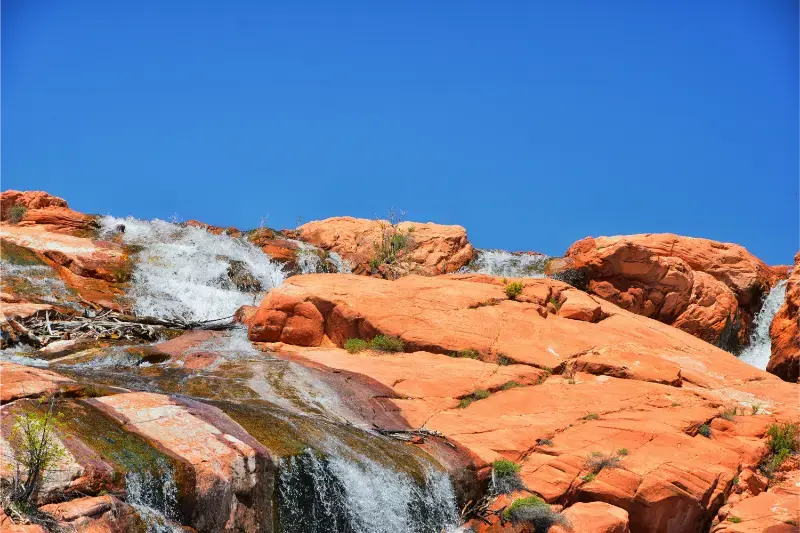
Give Zion at least one full day and preferably two nights. Use the canyon shuttle for the main corridor when it operates, and organize the day around one major objective such as the Narrows, West Rim/Scout Lookout, or a combination of easier canyon walks.
Angels Landing requires a permit for the chain section beyond Scout Lookout. The Narrows depends on river and flash-flood conditions. Those two facts are why a flexible second day is so valuable: you can switch objectives when conditions change.
Day 4: Zion to Bryce Canyon
The drive is short enough to combine with stops on Zion’s east side, but do not underestimate the temptation to stop repeatedly. Canyon Overlook, Checkerboard Mesa and the transition to high plateau country make this more than a transfer.
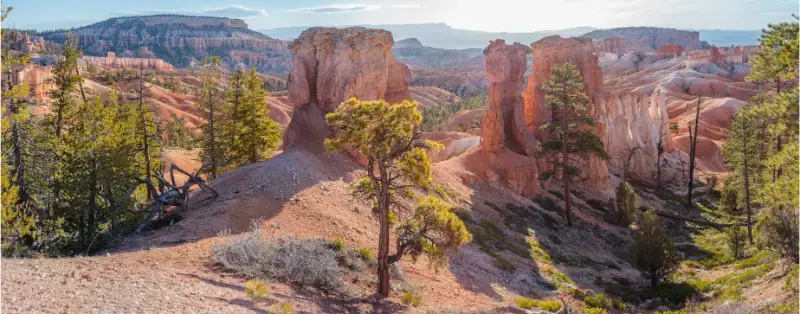
Arrive at Bryce with time for a rim viewpoint late in the day. The amphitheater often looks best when shadows deepen the hoodoos, and an overnight makes sunrise realistic without a pre-dawn drive from another town.
Day 5: Bryce Canyon and toward Scenic Byway 12
Start with a rim viewpoint, then hike below the rim if conditions are good. Queens Garden plus Navajo Loop is the classic introduction. Bryce sits high enough that snow or ice can affect trails long after lower Utah feels like spring.
If you have 12–14 days, sleep in Escalante or Boulder rather than pushing directly to Torrey. That converts Scenic Byway 12 from a transfer into a destination.
Days 6–7: Scenic Byway 12 and Capitol Reef
Scenic Byway 12 passes Red Canyon, Grand Staircase–Escalante, the Hogback and Boulder Mountain before dropping toward Capitol Reef. The route is paved, but weather and high elevation can still affect driving. Fuel up before remote stretches.
Capitol Reef deserves at least one overnight. Spend time in Fruita, explore the Scenic Drive as conditions allow and choose a hike based on temperature and daylight. Torrey is the most practical base for food and lodging.
Day 8: Capitol Reef to Moab
The direct drive is manageable, but this is a good place to add Goblin Valley or simply arrive in Moab early enough for a sunset viewpoint. Do not schedule a demanding hike after several hours of driving in summer heat.
Once in Moab, stay three or four nights. This is the central decision that keeps the second half of the trip from becoming exhausting.
Days 9–10: Arches National Park
Arches does not require advance timed-entry reservations in 2026, but congestion has not disappeared. Entrance lines and full parking lots can still occur. Early morning, late afternoon and evening are valuable, especially around Delicate Arch and Windows.
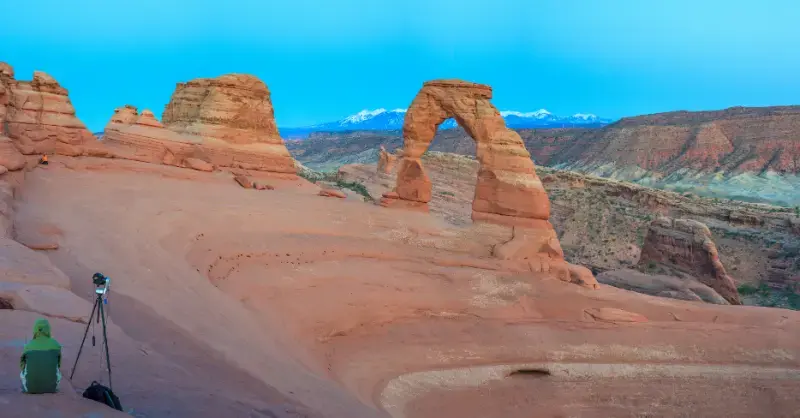
Devils Garden can fill a full day if you hike far beyond Landscape Arch. A second Arches session can focus on Park Avenue, Balanced Rock, Windows and Delicate Arch at a different light.
Days 11–12: Canyonlands and Dead Horse Point
Island in the Sky is the easiest Canyonlands district from Moab. Combine Mesa Arch, Grand View Point and one or two shorter hikes, then use Dead Horse Point for late light. The Needles is a separate destination south of Moab and deserves its own full day.
If your itinerary is only ten days, one Canyonlands day is enough for a first trip. If you have fourteen, use the extra time for The Needles, a river trip or a full recovery day in Moab.
Days 13–14: Choose your extension
Option one is to drive north toward Salt Lake City for a city night and a simpler flight home. Option two is to return toward Las Vegas through a route that avoids repeating too much road. Option three is to add Grand Staircase–Escalante or a Moab adventure day rather than another long transfer.
What changes by season
Spring brings pleasant hiking temperatures but variable weather and lingering snow at high elevations. Summer gives long daylight but demands aggressive heat planning and flash-flood awareness. Fall is excellent for much of the route, while winter can be beautiful and quiet but brings icy trails, shorter days and reduced services.
2026 logistics worth knowing
- Zion canyon shuttle service operates on a seasonal 2026 schedule; check NPS shuttle times before arrival.
- Angels Landing permits remain required for the chain section; see NPS permit information.
- Arches has no advance timed-entry requirement in 2026, but traffic management and parking limits still apply.
- Bryce Canyon operates a free seasonal shuttle; the 2026 schedule runs from April 3 to October 18.
Road-trip mistakes to avoid
- Changing hotels every night instead of building multi-night bases.
- Driving Scenic Byway 12 as if it were an ordinary transfer.
- Planning strenuous midday hikes in summer.
- Assuming every park district connects by a short internal road.
- Arriving at Zion or Arches with no backup plan for parking or weather.
- Adding Salt Lake City, Monument Valley and the entire Arizona loop to a ten-day Mighty 5 trip.
A better way to shorten the route
With seven or eight days, choose Zion–Bryce–Capitol Reef or Moab–Arches–Canyonlands rather than compressing all five parks. If you insist on all five, accept that some days will be scenic-drive days rather than hiking days.
Continue planning your Utah trip
- Utah Travel Guide
- Best Things to Do in Utah
- Utah Road Trip: Mighty 5
- Best Places to Visit in Utah
- Best Time to Visit Utah
- Where to Stay in Utah
- Zion National Park Travel Guide
- Bryce Canyon National Park Travel Guide
- Arches National Park Travel Guide
- Moab Travel Guide
- Canyonlands National Park Travel Guide
Car-rental strategy
A standard rental car is enough for the paved Mighty 5 route. Do not assume rental contracts permit off-pavement travel on backcountry roads. If a specific trailhead requires high-clearance 4WD, rent the right vehicle or book a guided trip instead of risking damage.
Food and fuel rhythm
Refuel before Scenic Byway 12 remote segments and before long Needles or backcountry days. Carry a cooler so you are not forced to organize every lunch around a small-town restaurant schedule.
Frequently asked questions
Should I start in Las Vegas or Salt Lake City?
Las Vegas is convenient for Zion; Salt Lake City works well for a north-to-south one-way route. Compare flights and one-way rental fees.
Can I see all five parks in seven days?
You can touch them, but the trip becomes transfer-heavy. Ten to fourteen days is much better for hiking and Scenic Byway 12.
Do I need reservations for every park?
No. Requirements differ. In 2026 Arches does not require timed entry, while Angels Landing in Zion still requires a permit.
Final planning checklist
- Check official park conditions 24–48 hours before major hikes.
- Download offline maps before leaving gateway towns.
- Carry water, sun protection and a warm layer even when the forecast looks simple.
- Keep one activity per day flexible for parking, storms or heat.
- Avoid scheduling a long drive immediately after a demanding sunset hike.
A deeper planning strategy
The most useful way to protect a Utah road trip is to separate fixed commitments from flexible scenery. A hotel night is fixed; a timed permit may be fixed; almost everything else can move. If Zion parking is worse than expected, shift an easy canyon walk to evening. If Bryce is icy, spend more time on the rim and save the steep loop for another day. If Moab is extremely hot, move the main hike to dawn and use the afternoon for a scenic drive or pool break. This approach prevents one delayed morning from cascading into a week of rushed arrivals. It also makes room for the moments that road trips are supposed to create: a spontaneous overlook, a storm clearing over the mesas, an unexpectedly good meal in a small town or a sunset that convinces you to stay put instead of chasing the next pin on the map.
Build a slower Utah road trip
Use these route-specific guides to turn the Mighty 5 outline into realistic driving days.
- Capitol Reef Guide
- Scenic Byway 12
- 7 Days in Utah
- Monument Valley to Moab
Looking for the right place to stay? Compare hotels and accommodation on Booking.com.
Adding Nevada: Travelers entering or leaving through Las Vegas can connect the Mighty 5 with Valley of Fire State Park guide and our Nevada road trip itinerary.