

Destinations › Northeast › New York › New York City › Manhattan
Manhattan is the New York most first-time visitors imagine, but it is not one single sightseeing district. It is a long, narrow island made up of neighborhoods that feel dramatically different: skyscraper-heavy Midtown, historic Lower Manhattan, brownstone streets in the Village, museum-lined Upper East Side, energetic Harlem and quieter pockets along the rivers. The best way to visit Manhattan is to think in geographic clusters rather than famous names. That one decision can save hours of unnecessary subway rides and make the city feel far less overwhelming.
For a first trip, give Manhattan at least 3 full days even if you also plan Brooklyn or Queens. Stay near a useful subway line, pair Midtown attractions together, combine Lower Manhattan with the Brooklyn Bridge, and reserve timed attractions only when they are genuinely important to you.
Why Manhattan deserves more than a checklist
The island contains a remarkable concentration of museums, theaters, parks, architecture, shopping, restaurants and historic sites, but trying to “do Manhattan” by moving from Times Square to Wall Street to Central Park and back again produces a tiring trip. Manhattan works best when you let each part of the island have its own half-day or day. Midtown is about scale and landmarks; downtown mixes history with waterfronts; the West Side rewards walking; Uptown is where parks, museums and residential neighborhoods become more prominent.
Manhattan at a glance

| Area | Best for | Good first-time anchors |
|---|---|---|
| Lower Manhattan | History, harbor, memorials | Battery, Wall Street, 9/11 Memorial, One World area |
| SoHo / Village / Lower East Side | Walking, food, nightlife, architecture | Washington Square, cobblestone streets, boutiques, food halls |
| Chelsea / Flatiron | High Line, galleries, markets | High Line, Chelsea Market, Madison Square Park |
| Midtown | Icons and first-trip convenience | Times Square, Rockefeller Center, Grand Central, Bryant Park |
| Upper East / West Side | Museums, Central Park, quieter evenings | The Met, AMNH, Central Park |
| Harlem / Upper Manhattan | Culture, food, history | 125th Street, Apollo area, Hamilton Heights, Fort Tryon Park |
The best things to do in Manhattan
- Walk through Central Park with a specific route instead of entering randomly; the south end is busiest, while the Reservoir and north end feel different.
- See Midtown from street level before paying for an observation deck: Grand Central, Bryant Park, Fifth Avenue, Rockefeller Center and the New York Public Library form an easy walking cluster.
- Spend a morning in Lower Manhattan around the 9/11 Memorial, Wall Street, Trinity Church, The Battery and the harbor.
- Choose one major museum and give it enough time. The Met, MoMA and the American Museum of Natural History can each absorb several hours.
- Walk the High Line, but pair it with Chelsea, the Meatpacking District or Hudson River Park rather than treating it as an isolated attraction.
- Explore at least one residential-feeling neighborhood such as Greenwich Village, the Upper West Side or Hamilton Heights.
- Cross into another borough. Manhattan is the core, not the whole city.
How to organize three days in Manhattan
Day 1: Midtown. Start around Grand Central and Bryant Park, continue toward Rockefeller Center and Fifth Avenue, then finish with Times Square or a Broadway show. Day 2: Lower Manhattan and the west side. Begin near The Battery or the 9/11 Memorial, then move through Tribeca, SoHo or the Village. Day 3: Central Park plus one museum, with an Upper West Side, Upper East Side or Harlem evening. This structure is intentionally flexible: the point is to avoid zigzagging the island.
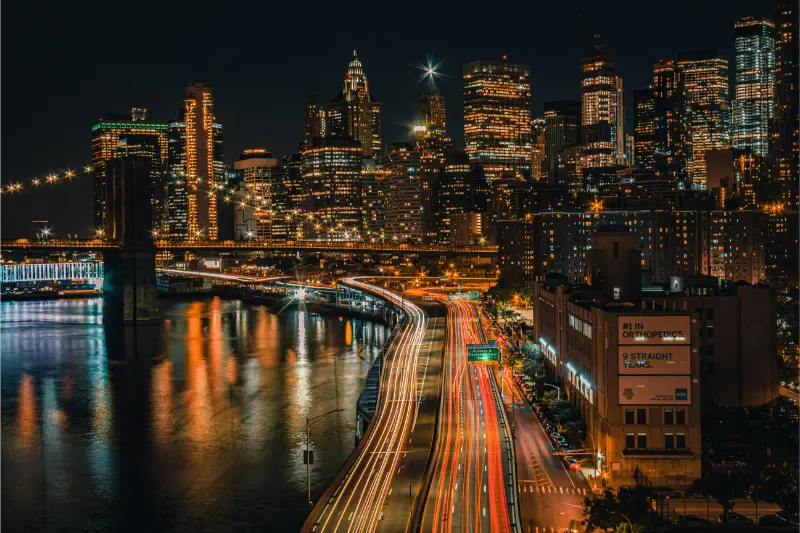
Where should first-time visitors stay in Manhattan?
Midtown is the easiest default because transit is excellent and many landmarks are walkable, but it is not automatically the best neighborhood. The Upper West Side can feel calmer and works well for families. Chelsea and Flatiron provide a central location without the constant intensity of Times Square. Greenwich Village and SoHo are atmospheric but often expensive. Lower Manhattan can offer strong weekend hotel value and easy access to Brooklyn, though it feels quieter late at night in some business-heavy streets.
For a deeper comparison, use our Where to Stay in New York City guide. The important rule is to judge a hotel by the nearest useful subway lines, not only by the distance shown on a map.
How to move around Manhattan
Walk for short distances and use the subway for longer north-south trips. Avenues are long; crosstown movement can be slower than visitors expect, so buses are sometimes useful, especially across Central Park or along major avenues. In 2026 the subway and local-bus base fare is $3 with OMNY. Use the same contactless card or device for every eligible ride so the weekly fare cap can work correctly. For a detailed explanation, see our NYC Subway Guide.

How much walking is realistic?
A normal sightseeing day can easily reach 15,000–25,000 steps. Do not confuse a short map distance with a low-effort day: stairs inside stations, museum galleries, standing in lines and long blocks all count. Build one sit-down meal, café break, park bench or ferry ride into busy days. Comfortable shoes matter more in Manhattan than almost any fashion decision you will make on the trip.
Manhattan mistakes first-time visitors make
- Booking multiple timed attractions in different parts of the island on the same day.
- Staying near Times Square and never exploring beyond Midtown.
- Taking a taxi at rush hour for a trip that is faster by subway.
- Trying to “see” Central Park in 30 minutes.
- Stacking several observation decks instead of choosing the one whose view fits your priorities.
- Eating only at restaurants beside major attractions instead of walking a few blocks into a neighborhood.
- Ignoring Upper Manhattan because it looks far away on the tourist map.
A better way to see famous places
At the Empire State Building or Rockefeller Center, look at the surrounding blocks, not only the ticketed attraction. Around Grand Central, step outside to admire the Chrysler Building and walk through the terminal itself. At Times Square, visit after dark but do not allocate half a day. Near Central Park, choose one side of the park and connect it to the museum on that side. Near Wall Street, include the waterfront and historic churches so the area feels like a neighborhood rather than a photo stop.
Food strategy in Manhattan
You do not need a list of twenty “must-eat” restaurants. Save a few options in each area you plan to visit and choose based on where you actually are when hunger hits. Manhattan’s useful food experiences range from bagels and pizza to Chinatown noodles, Lower East Side Jewish classics, Harlem soul food, Koreatown barbecue and high-end dining. Reservations matter most for fashionable dinner spots; breakfast and lunch can be more spontaneous.
When Manhattan feels most enjoyable
Spring and fall are excellent for long walking days, but they are also popular. Summer is hot and humid, yet late evenings, rooftop spaces and riverfront parks can be excellent. December is visually spectacular but busy and expensive around Midtown. January and February can offer better hotel value if cold weather does not bother you. Use our month-by-month NYC guide for a deeper seasonal comparison.
What to book in advance
Broadway shows, popular observation decks at sunset, Statue of Liberty crown access and certain high-demand restaurants deserve advance planning. Many museums and neighborhoods do not. The best Manhattan itinerary has a few anchors and large flexible spaces between them. If every hour has a reservation, one subway delay or long lunch can turn the day into a race.
How Manhattan connects to the other boroughs
Brooklyn is easiest to combine with Lower Manhattan or the Lower East Side. Queens connects especially well from Midtown by the 7, E, F, M, R and other lines. The Bronx works naturally with Upper Manhattan. Staten Island begins with the free ferry from Lower Manhattan. Thinking this way turns borough exploration into part of the itinerary rather than a separate expedition.
Frequently asked questions
Is Manhattan enough for a first trip to NYC?
You could spend a week entirely in Manhattan, but a first trip is richer if you devote at least a half-day to Brooklyn or Queens. New York’s identity is genuinely five-borough.
Do I need a car in Manhattan?
No. A car is usually a liability because of traffic, parking costs, tolls and congestion pricing. Walk, use subway/bus and take taxis selectively.
Is Midtown the best place to stay?
It is the easiest default, especially for a short first trip, but not always the most atmospheric or best value. Chelsea, Flatiron, Upper West Side and Lower Manhattan can be excellent alternatives.
How late is Manhattan active?
Major areas remain active very late, but subway service patterns and neighborhood atmosphere vary. Check late-night service changes in the MTA app instead of assuming daytime frequencies.
Official planning sources
Continue with our NYC Neighborhoods Guide, Best Things to Do in NYC and 5-Day NYC Itinerary.
One final Manhattan planning principle is to separate “must see” from “must experience.” A landmark may require only ten minutes outside, while a neighborhood deserves two hours with no ticket at all. The New York Public Library, Grand Central and Rockefeller Center can form a meaningful morning without expensive admissions. By contrast, an observation deck or major museum should receive enough time to justify the ticket. This distinction makes budgets work better and prevents the trip from becoming a sequence of entrances, security lines and gift shops.
More Manhattan depth
- Best Museums in New York City: Which Ones Are Worth Your Time?
- The Metropolitan Museum of Art Guide: What to See & How to Visit
- American Museum of Natural History Guide: Dinosaurs, Tickets & Tips
- MoMA Guide: What to See, Tickets, Routes & Visitor Tips
- Central Park Guide: Best Things to See, Routes & Insider Tips
- Best Views in New York City: Free Skyline Spots & Observation Decks
More Manhattan neighborhoods and experiences
- Broadway Guide: Tickets, TKTS, Shows & Theater Etiquette
- Harlem Travel Guide: History, Food, Music & Things to Do
- Greenwich Village Travel Guide: History, Food, Streets & Things to Do
- Chinatown, Little Italy & Lower East Side Guide: What to See & Eat
- Best Food Neighborhoods in NYC: Where to Eat by Area
- Best Rooftops & Skyline Photography Spots in NYC
- Movie & TV Locations in New York City: Famous Places You Can Visit
- Unusual Things to Do in NYC: 25 Experiences Beyond the Obvious
Looking for the right place to stay? Compare hotels and accommodation on Booking.com.