

Destinations › Northeast › New York › New York City
New York City can be exhilarating and surprisingly easy to visit once you stop treating it like a checklist. The city is dense, transit-rich and built around neighborhoods, which means the best first trip usually comes from grouping sights geographically rather than chasing famous names from one end of Manhattan to the other. This guide gives you the planning framework: how many days to stay, where to base yourself, when to go, how to move around, what to book, what to skip and how to make room for the city that exists between the landmarks.
For a first visit, aim for 4–6 full days, stay near a subway station, plan one major paid attraction per half-day, and organize sightseeing by neighborhood. You do not need a car. In 2026 the subway/local-bus base fare is $3 and OMNY has replaced MetroCard; using the same contactless card or device also lets the weekly fare cap work automatically.
Why New York City works so well for a first U.S. city trip
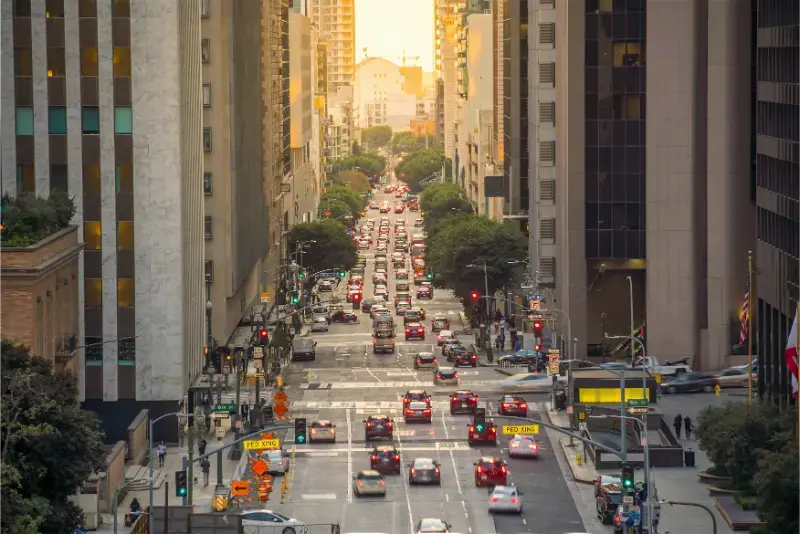
Few American cities give visitors this much choice without requiring a car. Manhattan concentrates many headline attractions, but the city is really five boroughs: Manhattan, Brooklyn, Queens, the Bronx and Staten Island. A good trip uses that compact transit network to mix iconic sights with neighborhood time—perhaps Midtown architecture in the morning, a museum after lunch, a Brooklyn waterfront walk at sunset and dinner in Queens on another day.
The biggest planning mistake is underestimating how tiring the city can be. You may cover 15,000–25,000 steps without noticing until late afternoon. Subway stairs, museum galleries, standing in lines and walking several blocks between stations all add up. The answer is not to see less; it is to create rhythm. Alternate dense sightseeing with parks, ferries, cafés and neighborhoods where wandering is part of the experience.
How many days do you need in New York City?
| Trip length | What it realistically allows |
|---|---|
| 2 days | A highlights sprint: Midtown, Lower Manhattan and one neighborhood. Fun, but not relaxed. |
| 3 days | Enough for major icons plus one museum and a Brooklyn or downtown evening. |
| 4–5 days | The sweet spot for most first-time visitors: major sights, two museums or observatories, Central Park and neighborhood time. |
| 6–7 days | Adds outer-borough exploration, slower mornings, food neighborhoods, shows and bad-weather flexibility. |
| 8+ days | A deeper city trip with Queens/Bronx/Staten Island, day trips or specialized interests. |
If this is your first time in the United States and New York is the only destination, five or six nights is rarely “too long.” If NYC sits inside a wider Northeast itinerary, four nights can work, but avoid treating arrival day as a full sightseeing day after a long-haul flight.
The best areas for a first visit
Midtown Manhattan
Midtown offers the easiest access to Times Square, Broadway, Rockefeller Center, Fifth Avenue, Grand Central and several observatories. It is convenient rather than intimate. First-time visitors who value short transfers often appreciate it, while travelers who want neighborhood atmosphere may prefer farther downtown.
Chelsea, Flatiron and NoMad
These areas balance central location with a more livable street feel. You can reach the High Line, Chelsea Market, Madison Square Park, Union Square and Midtown easily, and several subway lines make cross-city movement straightforward.
Lower Manhattan
Financial District and nearby areas work well for Statue of Liberty days, the 9/11 Memorial, Brooklyn Bridge, ferries and downtown history. Evening atmosphere is quieter in parts of the Financial District, but newer hotels can offer good value relative to Midtown.

Upper West Side and Upper East Side

Both are strong for repeat visitors, families and museum-focused trips. The Upper West Side pairs Central Park with the American Museum of Natural History; the Upper East Side puts Museum Mile close. They feel more residential and generally quieter at night.
Use our dedicated Where to Stay in New York City guide before booking; in NYC the hotel’s exact subway access matters more than the borough name on the listing.
How to plan sightseeing by geography
- Midtown day: Grand Central, Bryant Park, New York Public Library, Fifth Avenue, Rockefeller Center and an observatory.
- Lower Manhattan day: Battery, Statue/Ellis ferry, Wall Street, 9/11 Memorial, Oculus and Brooklyn Bridge.
- Central Park + museums: choose one side of the park rather than crossing repeatedly between museums.
- West Side day: High Line, Chelsea Market, Hudson Yards, Greenwich Village/Meatpacking depending your pace.
- Brooklyn day: Brooklyn Heights, DUMBO, Brooklyn Bridge Park, then a neighborhood or food stop farther into Brooklyn.
- Queens/Bronx day: choose one clear theme—food, museums, baseball, botanical garden or zoo—instead of adding a borough only to say you visited it.
Getting around in 2026: subway, OMNY, walking and ferries
For most visitors the subway is the backbone. In 2026, subway and local-bus rides cost $3, and OMNY has replaced MetroCard. Tap the same contactless card, phone, wearable or OMNY card for each eligible ride so the rolling seven-day fare cap can apply. The cap is $35 for full-fare subway and local bus travel. You do not need to “buy a weekly pass” in advance—the system counts eligible taps using the same payment method.
Walking is not the backup plan; it is one of the main attractions. The subway is best for long north–south or borough transfers, while walking often beats changing trains for short trips. NYC Ferry can be scenic, but it uses a separate fare system. The Staten Island Ferry remains free and is useful for harbor views, not as a substitute for a Statue of Liberty landing.
A rental car is usually a disadvantage. Parking is expensive, traffic is slow and the congestion-pricing zone remains in effect in Manhattan south of and including 60th Street. If you are continuing to the Hudson Valley or upstate New York, pick up the car when leaving the city rather than keeping it in Manhattan.
What should you book in advance?
- Statue of Liberty crown or pedestal: reserve well ahead; access is limited.
- Popular observation decks: sunset time slots can sell out and often cost more.
- Broadway: book must-see shows early; stay flexible for less essential productions.
- High-demand restaurants: reserve only the meals that matter; leave room for spontaneous neighborhood food.
- Major holiday dates: Thanksgiving week, Christmas/New Year and other peak periods require earlier hotel planning.
Do not prebook every hour. New York rewards the ability to change course because of rain, a museum you unexpectedly love, a street festival or simply fatigue.
How much does a New York City trip cost?
Accommodation is usually the largest expense, followed by paid attractions and dining. A budget-conscious visitor can still keep sightseeing costs under control because parks, bridges, neighborhoods, the Staten Island Ferry and many cultural spaces are free or low-cost. The city’s official tourism organization also maintains budget resources and notes more than 100 cultural attractions and venues with free or suggested admission at least some of the time.
The hidden budget category is convenience: hotel destination fees, airport transfers, observation-deck surcharges, luggage storage, tips and impulse taxis. Compare the total hotel price, not the room rate, and remember that a slightly more expensive hotel near useful subway lines can save time and transportation spending every day.
Best time to visit
Spring and fall usually offer the best walking weather, but New York is a genuine year-round city. Summer brings long days, outdoor events and humidity; winter brings cheaper periods between holidays, indoor culture and the possibility of cold snaps. December is atmospheric but expensive and crowded. For a detailed month-by-month comparison, use our Best Time to Visit NYC guide.
First-trip mistakes that waste time
- Trying to visit five major ticketed attractions in one day.
- Booking a hotel far from the subway to save a small amount nightly.
- Eating every meal around Times Square or a major attraction.
- Using taxis for every transfer instead of learning the subway early.
- Walking the Brooklyn Bridge at the busiest middle-of-the-day period if crowd-free photos matter.
- Treating Brooklyn, Queens and the Bronx as optional “extra cities” rather than parts of NYC.
- Planning every evening before seeing how much walking you can comfortably handle.
A simple first-time structure
- Day 1: Midtown orientation, Grand Central, Fifth Avenue and an observation deck.
- Day 2: Lower Manhattan, Statue/Ellis or harbor time, 9/11 Memorial and Brooklyn Bridge.
- Day 3: Central Park plus one major museum and an Upper West/East Side neighborhood.
- Day 4: Greenwich Village, SoHo/Chinatown and the West Side/High Line.
- Day 5: Brooklyn or Queens with an evening show or neighborhood dinner.
Our 5-day New York City itinerary turns that framework into a day-by-day plan with realistic pacing.
New York City FAQ
- Is NYC safe for tourists? Millions visit safely each year. Use normal big-city awareness, especially late at night, keep valuables controlled in crowded areas and follow current local guidance.
- Do I need cash? Most visitors can rely heavily on cards/contactless payments, but keeping a small amount of cash is useful for a few small businesses and tipping situations.
- Is Times Square worth visiting? Yes once, especially after dark. It does not need to dominate your hotel choice or itinerary.
- Can I see the city without paid attractions? Absolutely. Parks, bridges, neighborhoods, public spaces and ferries can fill days.
- Should I stay in New Jersey to save money? Only after comparing the exact transit route, late-night frequency and total travel time. A cheap room is not good value if you lose two hours daily.
Official planning sources
- New York City Tourism + Conventions — official visitor information
- MTA — subway, bus and OMNY information
- NYC DOT — ferries, streets and transportation
Keep planning New York City
Continue with Best Things to Do in NYC, Where to Stay, NYC Neighborhoods and our Getting Around NYC guide. For destinations beyond the city, return to the New York State Travel Guide.
Go borough by borough with our Manhattan, Brooklyn, Queens, Bronx and Staten Island guides. For logistics, start with the NYC Subway Guide and NYC Airports Guide.
Museums, parks, views and smarter NYC planning
Go deeper with museum guides, Central Park routes, skyline viewpoints, free experiences, hidden places, practical mistakes to avoid and a compact three-day itinerary.
- Best Museums in New York City: Which Ones Are Worth Your Time?
- The Metropolitan Museum of Art Guide: What to See & How to Visit
- American Museum of Natural History Guide: Dinosaurs, Tickets & Tips
- MoMA Guide: What to See, Tickets, Routes & Visitor Tips
- Central Park Guide: Best Things to See, Routes & Insider Tips
- Best Views in New York City: Free Skyline Spots & Observation Decks
- Best Free Things to Do in NYC: 25 Experiences Worth Your Time
- Hidden Gems in New York City: 15 Places Most First-Timers Miss
- NYC Tips & Mistakes to Avoid: 20 Things First-Time Visitors Should Know
- 3 Days in New York City: The Best First-Time Itinerary
Broadway, neighborhoods, food and unusual New York
Go beyond the first-time checklist with Broadway planning, deep neighborhood guides, food districts, skyline photography, screen locations and unusual experiences across the city.
- Broadway Guide: Tickets, TKTS, Shows & Theater Etiquette
- Harlem Travel Guide: History, Food, Music & Things to Do
- Greenwich Village Travel Guide: History, Food, Streets & Things to Do
- Chinatown, Little Italy & Lower East Side Guide: What to See & Eat
- Williamsburg Travel Guide: Food, Shopping, Waterfront & Nightlife
- DUMBO & Brooklyn Heights Guide: Best Walks, Views & Things to Do
- Best Food Neighborhoods in NYC: Where to Eat by Area
- Best Rooftops & Skyline Photography Spots in NYC
- Movie & TV Locations in New York City: Famous Places You Can Visit
- Unusual Things to Do in NYC: 25 Experiences Beyond the Obvious
Continue beyond New York City
If your vacation has extra days, the easiest extensions are the Hudson Valley and Long Island. With a longer road trip, continue to the Adirondacks, Finger Lakes and Niagara Falls.
- Hudson Valley Travel Guide
- Long Island Travel Guide
- New York State Road Trip
- Niagara Falls Travel Guide
Looking for the right place to stay? Compare hotels and accommodation on Booking.com.